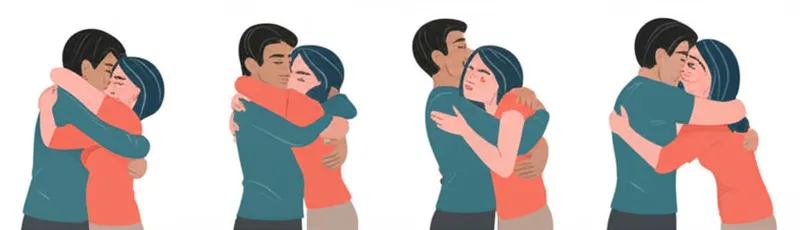





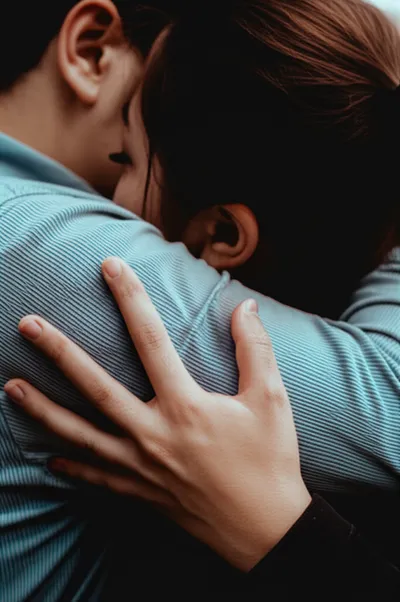


noun🔗Share포옹A close embrace, especially when charged with such an emotion as represented by: affection, joy, relief, lust, anger, agression, compassion, and the like, as opposed to being characterized by formality, equivocation or ambivalence (a half-embrace or "little hug")."After a long day at work, Sarah gave her daughter a warm hug of relief and joy. "힘든 하루를 보낸 후, 사라는 딸에게 안도와 기쁨의 따뜻한 포옹을 해주었다.emotionactionbodyhumanfamilysocietycommunicationChat with AIVocabulary GamePractice Reading
noun🔗Share껴안기A particular grip in wrestling."The wrestler used a powerful hug to gain leverage on his opponent. "레슬러는 상대방에게 유리한 고지를 점하기 위해 강력한 껴안기를 사용했다.sportChat with AIVocabulary GamePractice Reading
verb🔗Share웅크리다, 쭈그리다To crouch; huddle as with cold."The children hugged together, shivering, as they waited for the bus in the cold wind. "아이들은 추운 바람 속에서 버스를 기다리며 몸을 웅크리고 떨었다.bodyactionsensationChat with AIVocabulary GamePractice Reading
verb🔗Share껴안다, 포옹하다To cling closely together."The children hugged their teacher goodbye at the school gate. "아이들은 학교 정문에서 선생님께 작별 인사를 하며 껴안았다.actionhumanbodyemotionfamilyChat with AIVocabulary GamePractice Reading
verb🔗Share껴안다To embrace by holding closely, especially in the arms."Billy hugged Danny until he felt better."빌리는 대니가 기분이 나아질 때까지 껴안았다.actionhumanbodyfamilyemotioncommunicationChat with AIVocabulary GamePractice Reading
verb🔗Share가까이 붙다, 바싹 붙다To stay close to (the shore etc.)"The sailboat hugged the coastline, staying close to the shore as it sailed into the harbor. "요트가 항구로 항해하면서 해안선에 바싹 붙어 해안가에 가까이 머물렀다.nauticalsailingChat with AIVocabulary GamePractice Reading
verb🔗Share껴안다, 포옹하다To hold fast; to cling to; to cherish."The child hugged her teddy bear tightly, cherishing it as her best friend. "아이는 테디 베어를 꽉 껴안고 가장 친한 친구처럼 소중히 여겼다.bodyactionhumanfamilysensationemotionChat with AIVocabulary GamePractice Reading