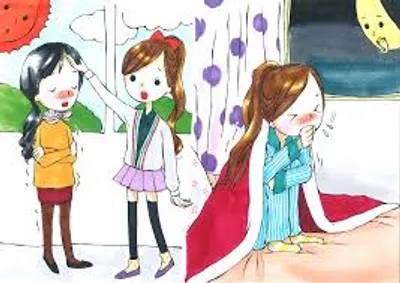

noun🔗Share취약한 사람A person who is vulnerable to being infected by a certain disease"The susceptible in our class are getting the flu. "우리 반의 취약한 사람들이 독감에 걸리고 있습니다.diseasepersonmedicinebiologyorganismChat with AIVocabulary GamePractice Reading
adjective🔗Share영향을 받기 쉬운, 민감한Likely to be affected by something"He was susceptible to minor ailments."그는 사소한 질병에 취약했다.medicinebiologyphysiologytendencyconditionChat with AIVocabulary GamePractice Reading
adjective🔗Share영향을 받기 쉬운, 잘 속는, 잘 믿는Easily influenced or tricked; credulous"The new student was quite susceptible to the other children's gossip. "새 학생은 다른 아이들의 가십에 꽤 잘 속았다.characterhumanmindattitudeChat with AIVocabulary GamePractice Reading
adjective🔗Share민감한, 예민한Especially sensitive, especially to a stimulus"Children are often more susceptible to colds in the winter. "아이들은 겨울에 감기에 더 민감한 경우가 많습니다.tendencymedicinebiologyhumanorganismphysiologyChat with AIVocabulary GamePractice Reading
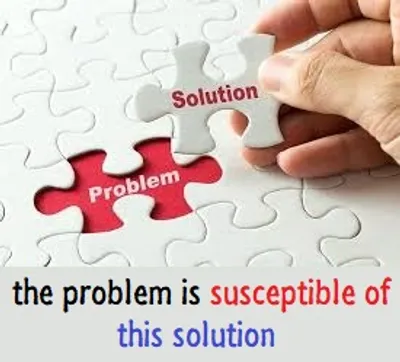
adjective🔗Share영향을 받기 쉬운, 민감한That, when subjected to a specific operation, will yield a specific result"A properly prepared surface is susceptible of an enduring paint job."제대로 준비된 표면은 오래 지속되는 페인트 작업에 영향을 받기 쉽습니다.tendencyconditionmedicinebiologyChat with AIVocabulary GamePractice Reading
adjective🔗Share취약한, 영향받기 쉬운Vulnerable; (temporarily) defenseless"After the surgery, his immune system was weak, so he was more susceptible to colds and other infections. "수술 후, 그의 면역 체계가 약해져서 감기와 다른 감염에 더 취약했습니다.conditionmedicinebiologyphysiologyChat with AIVocabulary GamePractice Reading