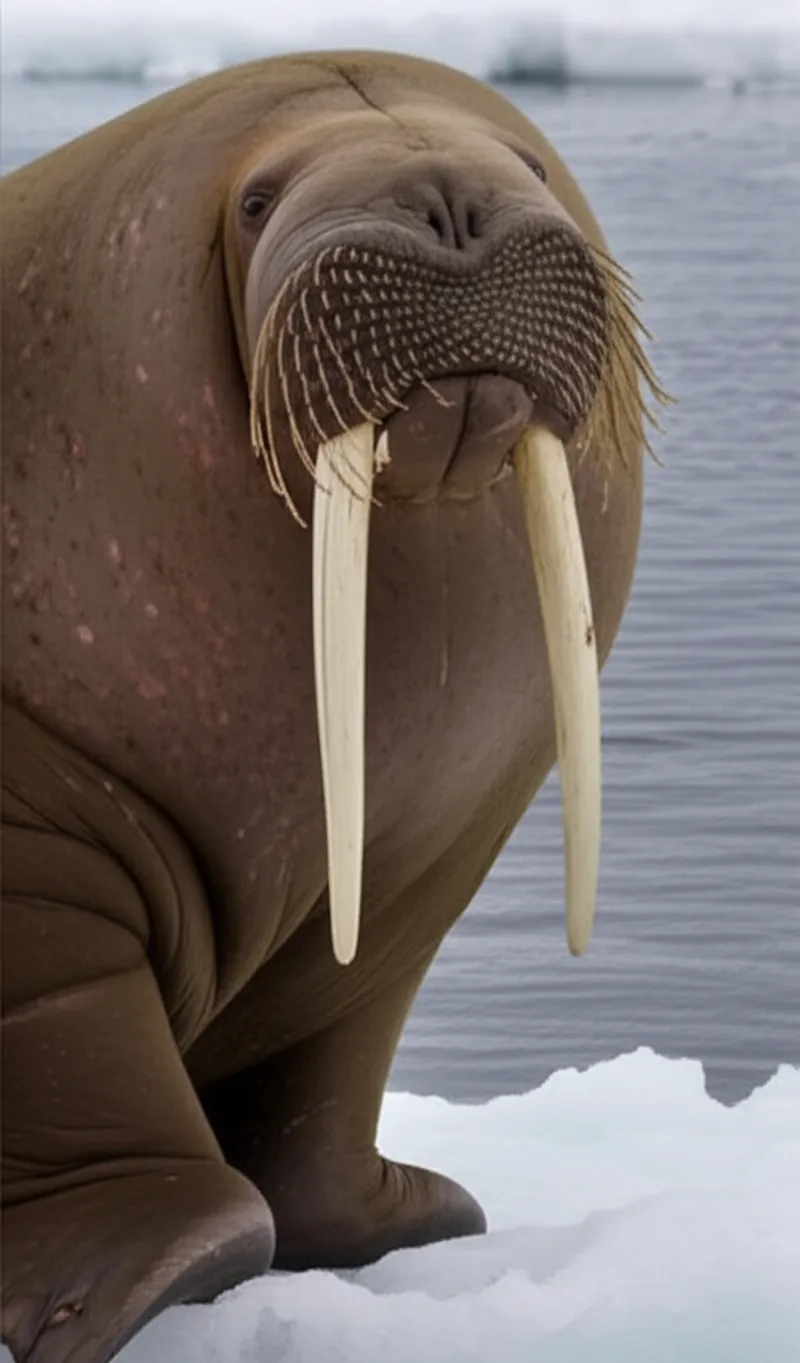
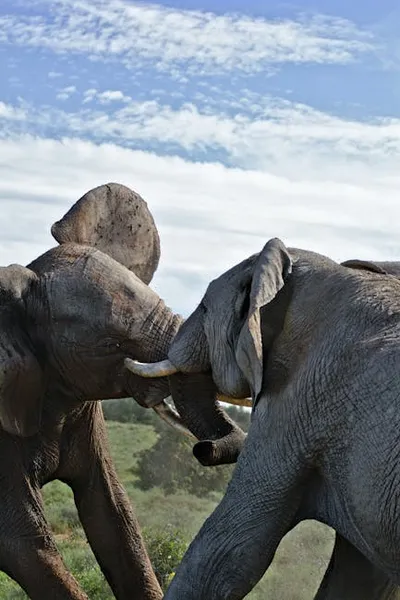
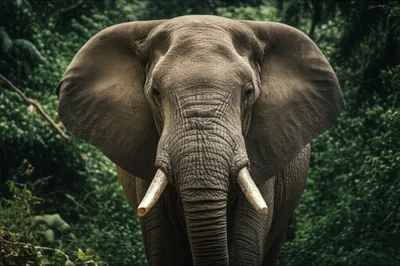
noun 다운로드 🔗공유 엄니 One of a pair of elongated pointed teeth that extend outside the mouth of an animal such as walrus, elephant or wild boar. Examples : "The elephant used its tusks to dig in the dirt for roots. " 코끼리는 뿌리를 찾기 위해 흙 속을 파는 데 엄니를 사용했다. animal body anatomy AI와 채팅어휘 게임독해 연습
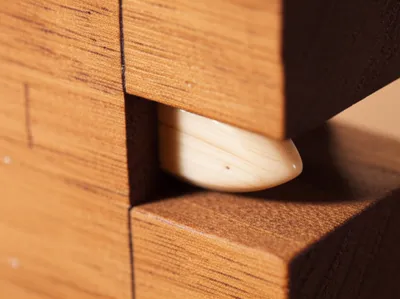
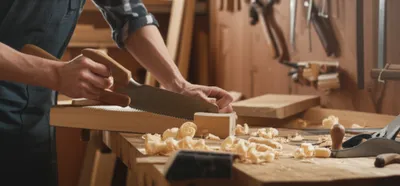
noun 다운로드 🔗공유 장부 A small projection on a (tusk) tenon. Examples : "The carpenter carefully shaped the tusks on the tenon to ensure a tight fit in the mortise joint. " 목수는 장부 이음새에 꼭 맞도록 장부의 장부를 조심스럽게 다듬었습니다. architecture part AI와 채팅어휘 게임독해 연습
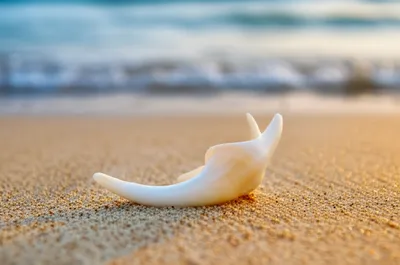
noun 다운로드 🔗공유 엄니 A tusk shell. Examples : "The marine biologist carefully sorted through the shells, separating the smooth, curved tusks from the other specimens. " 해양 생물학자는 매끄럽고 굽은 엄니를 다른 표본과 분리하여 조개 껍질을 조심스럽게 분류했습니다. animal ocean nature biology AI와 채팅어휘 게임독해 연습
noun 다운로드 🔗공유 엄니 A projecting member like a tenon, and serving the same or a similar purpose, but composed of several steps, or offsets, called teeth. Examples : "The carpenter created strong tusks on the end of the wooden beam to help it fit securely into the wall's frame. " 목수는 나무 기둥 끝에 튼튼한 엄니를 만들어 벽 프레임에 안전하게 맞도록 도왔다. part structure AI와 채팅어휘 게임독해 연습
noun 다운로드 🔗공유 엄니 A sharp point. Examples : "The ice pick had sharp tusks that could easily pierce the wood. " 얼음 송곳에는 나무를 쉽게 뚫을 수 있는 날카로운 엄니가 있었다. animal body AI와 채팅어휘 게임독해 연습
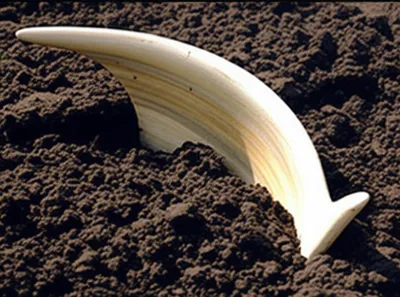
noun 다운로드 🔗공유 쟁기 날 The share of a plough. Examples : "The farmer adjusted the tusks of his plough to ensure they cut deep into the soil. " 농부는 쟁기 날을 조정하여 흙 속으로 깊이 파고들도록 했다. agriculture utensil machine AI와 채팅어휘 게임독해 연습
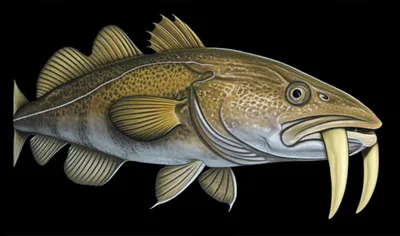
noun 다운로드 🔗공유 대구과 물고기 A fish, the torsk (Brosme brosme). Examples : "The torsk, also known as the tusks, is a popular fish in Scandinavian cuisine. " 대구과 물고기, 일명 터스크라고도 불리는 이 물고기는 스칸디나비아 요리에서 인기 있는 생선입니다. fish AI와 채팅어휘 게임독해 연습