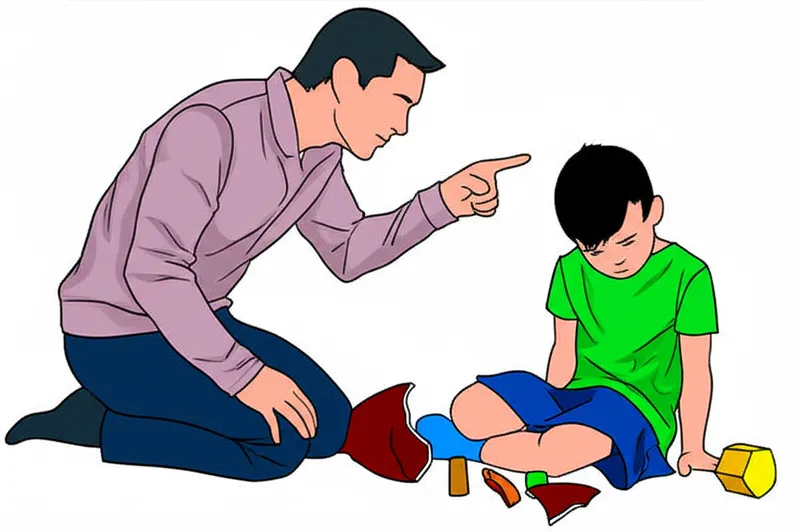


verb🔗Share꾸짖었다, 나무랐다To criticize severely."The teacher upbraided the student for not completing his homework again. "선생님은 숙제를 또 하지 않은 학생을 꾸짖었다.actioncharactercommunicationattitudelanguagemoralChat with AIVocabulary GamePractice Reading
verb🔗Share꾸짖다, 나무라다(followed by with or for, and formerly of before the object) To charge with something wrong or disgraceful; to reproach"The teacher upbraided the student for not completing his homework. "선생님은 숙제를 완료하지 않은 학생을 꾸짖었다.attitudecharactermoralactioncommunicationlanguagewordhumanChat with AIVocabulary GamePractice Reading
verb🔗Share꾸짖다, 나무라다To treat with contempt."The teacher upbraided the student for cheating on the exam, making him feel ashamed in front of the whole class. "선생님은 시험에서 부정행위를 한 학생을 꾸짖었고, 그로 인해 그는 반 전체 앞에서 수치심을 느꼈다.attitudecharacteremotionactionChat with AIVocabulary GamePractice Reading
verb🔗Share꾸짖다, 나무라다(followed by "to" before the object) To object or urge as a matter of reproach"The teacher upbraided the student to work harder on his assignments. "선생님은 학생에게 과제를 더 열심히 하라고 꾸짖었다.attitudeemotioncommunicationmoralChat with AIVocabulary GamePractice Reading
verb🔗Share꾸짖다, 나무라다To utter upbraidings."The teacher upbraided the student for not completing his homework. "선생님은 숙제를 하지 않은 학생을 꾸짖었다.communicationlanguageattitudeactionChat with AIVocabulary GamePractice Reading
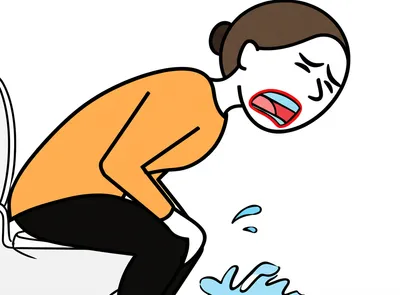
verb🔗Share토하다, 게우다To vomit; retch."After eating the spoiled fish, she felt sick and upbraided her dinner. "상한 생선을 먹은 후, 그녀는 몸이 안 좋아져서 저녁 식사를 토했다.medicinebodyphysiologyChat with AIVocabulary GamePractice Reading