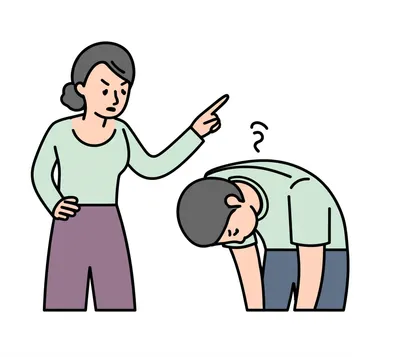
noun 다운로드 🔗공유 비난, 책망 The act of reproaching; scorn; disdain. Examples : "Her constant upbraid made him feel inadequate; no matter how hard he tried, it was never good enough in her eyes. " 그녀의 끊임없는 비난은 그를 무능력하게 느끼게 했다. 그가 아무리 노력해도 그녀의 눈에는 충분하지 않았다. attitude character action emotion language word communication negative AI와 채팅어휘 게임독해 연습
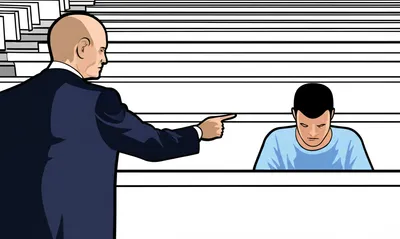
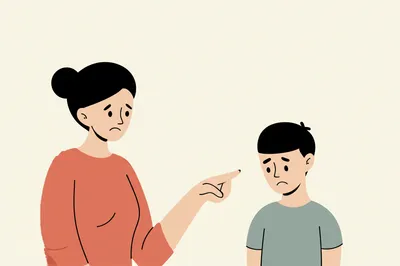
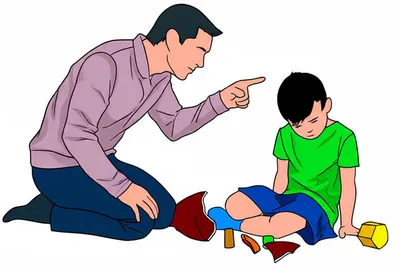
verb 다운로드 🔗공유 꾸짖다, 나무라다 To criticize severely. Examples : "The teacher had to upbraid the student for consistently arriving late to class. " 선생님은 수업에 계속 늦게 오는 학생을 꾸짖어야 했다. attitude communication word action moral AI와 채팅어휘 게임독해 연습
verb 다운로드 🔗공유 비난하다, 나무라다 (followed by with or for, and formerly of before the object) To charge with something wrong or disgraceful; to reproach Examples : "The teacher upbraided the student with the class for not completing their homework. " 선생님은 숙제를 하지 않은 학생을 반 학생들 앞에서 나무랐다. attitude action communication moral character AI와 채팅어휘 게임독해 연습
verb 다운로드 🔗공유 꾸짖다, 나무라다 To treat with contempt. Examples : "The teacher upbraided the student for consistently arriving late to class, treating his tardiness as a sign of disrespect. " 선생님은 수업에 계속 늦는 학생을 꾸짖으며, 그의 지각을 무례함의 표시로 여겼다. attitude character emotion action communication moral AI와 채팅어휘 게임독해 연습
verb 다운로드 🔗공유 꾸짖다, 나무라다 (followed by "to" before the object) To object or urge as a matter of reproach Examples : "The teacher upbraided the student to the class for not completing his homework. " 선생님은 숙제를 하지 않은 학생을 반 학생들 앞에서 꾸짖었다. attitude communication character word action language moral AI와 채팅어휘 게임독해 연습
verb 다운로드 🔗공유 꾸짖다, 나무라다 To utter upbraidings. Examples : "The teacher had to upbraid the students for not completing their homework. " 선생님은 숙제를 하지 않은 학생들을 꾸짖어야 했다. attitude communication language character action moral AI와 채팅어휘 게임독해 연습
verb 다운로드 🔗공유 토하다, 게우다 To vomit; retch. Examples : "After eating the spoiled seafood, he began to upbraid violently. " 상한 해산물을 먹은 후, 그는 격렬하게 토하기 시작했다. medicine physiology body AI와 채팅어휘 게임독해 연습