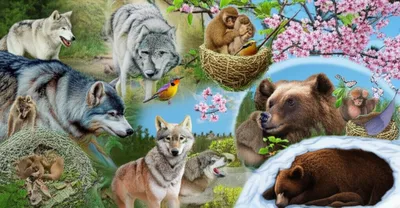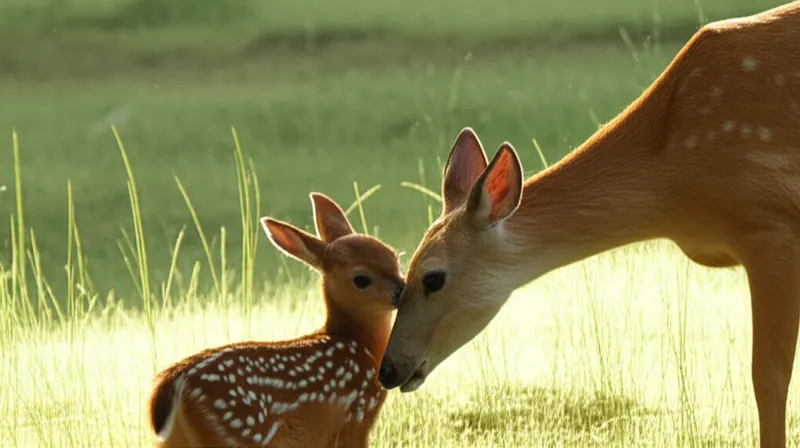



verb🔗ShareРожать оленёнкаTo give birth to a fawn."The deer, hidden deep in the woods, was fawning, giving birth to her spotted fawn. "Олень, спрятавшаяся глубоко в лесу, рожала, производя на свет своего пятнистого оленёнка.animalbiologynatureChat with AIVocabulary GamePractice Reading
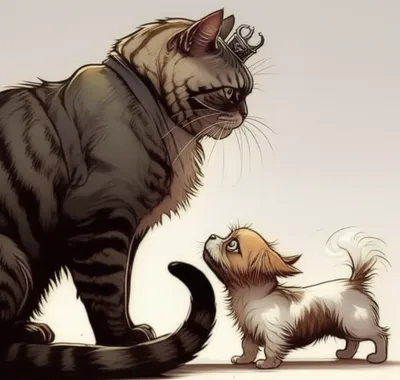
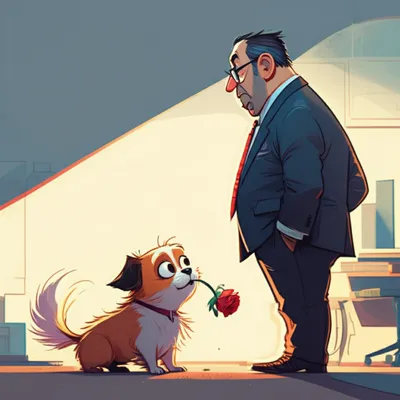
verb🔗ShareЗаискивать, льститьTo exhibit affection or attempt to please."The new employee was always fawning over the boss, hoping for a promotion. "Новый сотрудник всегда заискивал перед начальником, надеясь на повышение.attitudecharacterhumansocietyemotionChat with AIVocabulary GamePractice Reading
verb🔗ShareПодлизываться, льститьTo seek favour by flattery and obsequious behaviour (with on or upon)."The intern was constantly fawning over the boss, hoping for a better recommendation letter. "Стажер постоянно подлизывался к начальнику, надеясь на лучшее рекомендательное письмо.characterattitudehumanChat with AIVocabulary GamePractice Reading
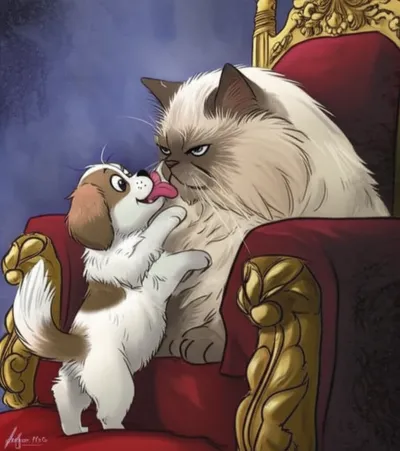
verb🔗ShareЗаискивать, льстить(of a dog) To show devotion or submissiveness by wagging its tail, nuzzling, licking, etc."The puppy was fawning at my feet, wagging its tail and licking my ankles, hoping for a treat. "Щенок заискивал у моих ног, виляя хвостом и лизнув мои лодыжки, надеясь на угощение.animalChat with AIVocabulary GamePractice Reading
noun🔗ShareУгодничество, подхалимствоServile flattery."The fawning of the new employee towards the CEO was excessive and uncomfortable to witness. "Угодничество нового сотрудника по отношению к генеральному директору было чрезмерным и неприятным для наблюдения.attitudecharactersocietyhumanChat with AIVocabulary GamePractice Reading
adjective🔗ShareУгодливый, льстивыйSeeking favor by way of flattery; flattering, servile."The new employee's fawning compliments towards the boss made everyone uncomfortable. "Угодливые комплименты нового сотрудника в адрес начальника заставили всех почувствовать себя неловко.attitudecharacterhumanmindmoralsocietyChat with AIVocabulary GamePractice Reading