



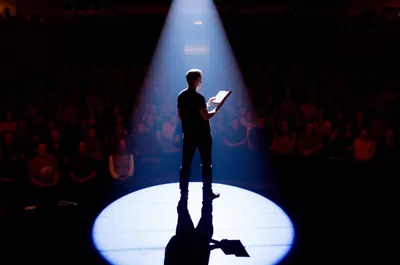

noun🔗ShareПролог, вступлениеA speech or section used as an introduction, especially to a play or novel."The book began with a prologue that described the main character's childhood, setting the stage for the rest of the story. "Книга началась с пролога, в котором описывалось детство главного героя, задавая тон для остальной части истории.literaturestorylanguagewritingpartChat with AIVocabulary GamePractice Reading
noun🔗ShareЧтец прологаOne who delivers a prologue."The school play needed a good prologue, someone to capture the audience's attention before the story began. "Школьной пьесе нужен был хороший чтец пролога, чтобы привлечь внимание зрителей до начала истории.literaturepersonstoryChat with AIVocabulary GamePractice Reading
noun🔗ShareПролог, введениеA component of a computer program that prepares the computer to execute a routine."The computer program's prologue loaded the necessary drivers before starting the data analysis. "Пролог компьютерной программы загрузил необходимые драйверы перед началом анализа данных.computingtechnologyelectronicsChat with AIVocabulary GamePractice Reading
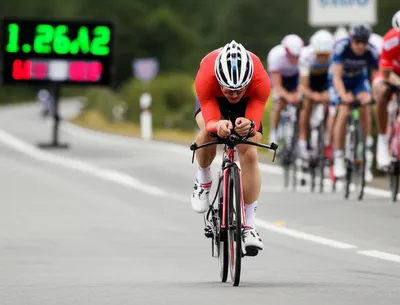
noun🔗ShareПролог, индивидуальная гонка с раздельным стартомAn individual time trial before a stage race, used to determine which rider wears the leader's jersey on the first stage."The cyclist with the fastest time in the prologue will wear the yellow jersey in tomorrow's first stage of the race. "Велогонщик с лучшим временем в прологе наденет жёлтую майку на первом этапе гонки завтра.sportraceChat with AIVocabulary GamePractice Reading
verb🔗ShareПредварять, начинать с предисловияTo introduce with a formal preface, or prologue."The teacher prologueded the history lesson with a short story about ancient civilizations. "Учитель предварял урок истории коротким рассказом о древних цивилизациях.literaturelanguagewritingstorycommunicationChat with AIVocabulary GamePractice Reading