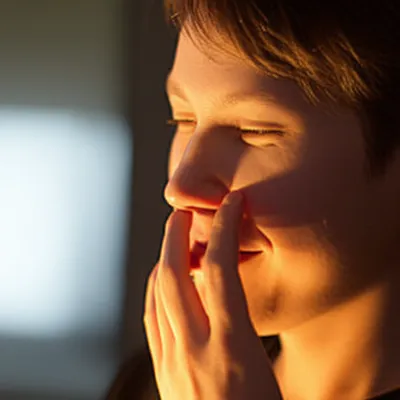
verb 下载 🔗分享 笑了, 哈哈大笑 To show mirth, satisfaction, or derision, by peculiar movement of the muscles of the face, particularly of the mouth, causing a lighting up of the face and eyes, and usually accompanied by the emission of explosive or chuckling sounds from the chest and throat; to indulge in laughter. Examples : "There were many laughing children running on the school grounds." 操场上有许多笑着、跑着的孩子们。 emotion human action sound entertainment mind body sensation 与AI对话词汇游戏阅读练习
verb 下载 🔗分享 笑了, 欢笑, 嬉笑 To be or appear cheerful, pleasant, mirthful, lively, or brilliant; to sparkle; to sport. Examples : "The children laughed as they splashed water in the park fountain. " 孩子们在公园的喷泉里玩水,欢快地嬉笑着。 emotion character human entertainment 与AI对话词汇游戏阅读练习
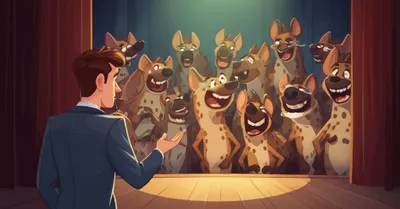
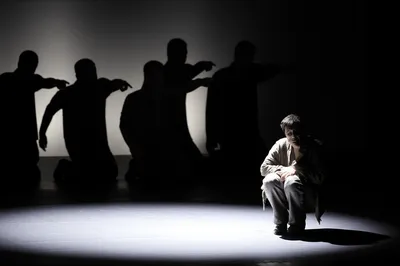
verb 下载 🔗分享 嘲笑,讥笑 (followed by "at") To make an object of laughter or ridicule; to make fun of; to deride; to mock. Examples : "The students laughed at the clumsy way the new student tripped on the stairs. " 学生们嘲笑那个新生笨手笨脚地在楼梯上绊倒的样子。 action attitude communication emotion human language 与AI对话词汇游戏阅读练习
verb 下载 🔗分享 嘲笑,讥笑 To affect or influence by means of laughter or ridicule. Examples : "The other students laughed him off the stage after he forgot the words to the song. " 他忘了歌词后,其他学生们用嘲笑把他赶下了台。 emotion entertainment communication character human action attitude 与AI对话词汇游戏阅读练习
verb 下载 🔗分享 笑了,发笑 To express by, or utter with, laughter. Examples : "My little brother laughed when I tickled him. " 我挠痒痒的时候,我弟弟笑了。 emotion action sound entertainment communication human 与AI对话词汇游戏阅读练习