



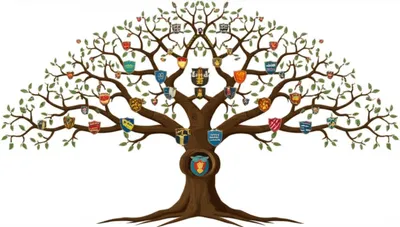

noun🔗Share姓氏,姓。 An additional name, particularly those derived from a birthplace, quality, or achievement; an epithet."In many cultures, people inherit their surnames from their parents, signifying their family lineage. "在很多文化中,人们从父母那里继承姓氏,这代表着他们的家族血统。familyhistoryculturepersontitleChat with AIVocabulary GamePractice Reading
noun🔗Share姓氏,姓。 An additional name given to a person, place, or thing; a byname or nickname."In many cultures, people share the same surnames, indicating they are related to each other. "在许多文化中,人们使用相同的姓氏,这表明他们之间存在亲属关系。familyculturehistorypersonChat with AIVocabulary GamePractice Reading
noun🔗Share姓氏,姓。 The name a person shares with other members of that person's family, distinguished from that person's given name or names; a family name."In many cultures, children inherit their surnames from their parents. "在很多文化中,孩子们的姓氏会继承自他们的父母。familypersonhistorycultureChat with AIVocabulary GamePractice Reading
noun🔗Share氏族名, 姓氏. (Classical studies) The cognomen of Roman names."In ancient Rome, prominent families often had hereditary surnames, like "Julius" in "Gaius Julius Caesar," which distinguished them from other families with the same given name. "在古罗马,显赫的家族通常拥有世袭的氏族名(姓氏),比如“盖乌斯·尤利乌斯·凯撒”中的“尤利乌斯”,这能将他们与其他拥有相同名字的家族区分开来。historyfamilylanguageChat with AIVocabulary GamePractice Reading
noun🔗Share姓氏, 姓。 A clan."In some cultures, marriages are often arranged between families sharing the same surnames, ensuring strong clan ties. "在某些文化中,为了确保家族纽带的紧密,经常会安排拥有相同姓氏的家族之间联姻。familygroupculturehistoryChat with AIVocabulary GamePractice Reading
verb🔗Share冠姓,赐姓。 To give a surname to."The king surnamed his loyal knight "Lionheart" for his bravery in battle. "国王因为这位忠诚的骑士在战场上的英勇表现而赐姓他为“狮心”。familyculturehistorytraditionChat with AIVocabulary GamePractice Reading
verb🔗Share称呼其姓,以姓相称。 To call by a surname."The teacher often surnames students by their last names during roll call. "点名的时候,老师经常用姓来称呼学生。familylanguagecultureChat with AIVocabulary GamePractice Reading