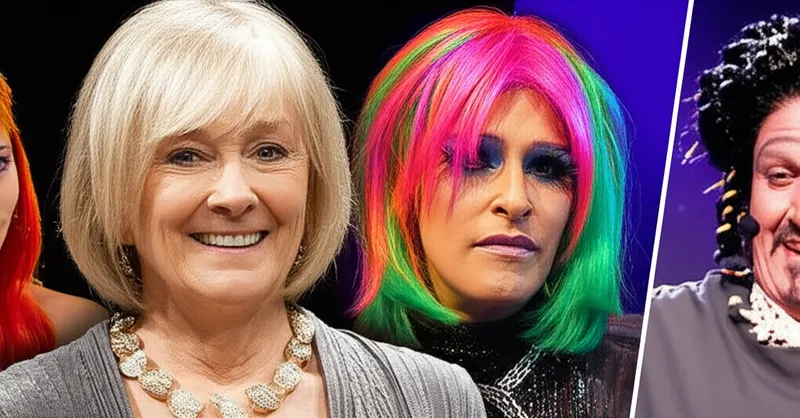
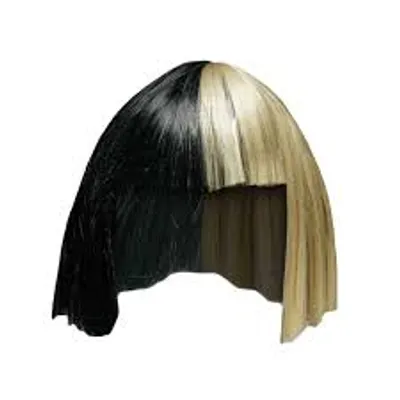
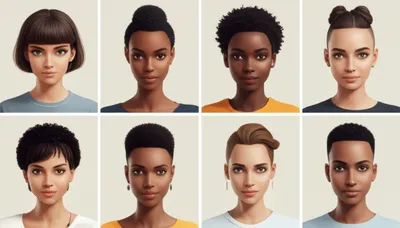
noun 下载 🔗分享 假发 A head of real or synthetic hair worn on the head to disguise baldness, for cultural or religious reasons, for fashion, or by actors to help them better resemble the character they are portraying. Examples : "The actor wore a wig to portray the old, bald king in the school play. " 这位演员戴着假发,在学校的戏剧里扮演年老秃顶的国王。 appearance culture entertainment style wear 与AI对话词汇游戏阅读练习
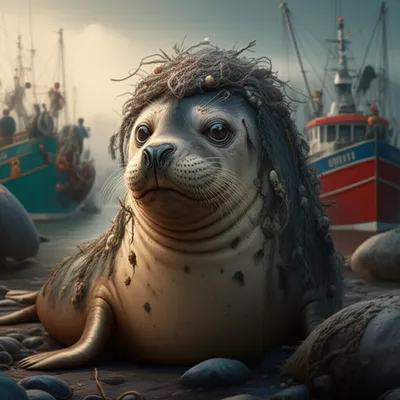
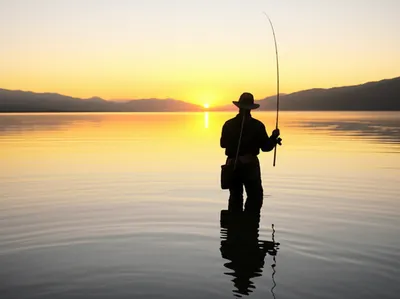
noun 下载 🔗分享 老海豹 (among fishermen) An old seal. Examples : "The old fisherman pointed at the seal basking on the rocks and said, "That's a wig; been around these parts for years." " 老渔夫指着趴在石头上晒太阳的海豹说:“那是只老海豹,在这片儿待了好多年了。” animal fish nautical 与AI对话词汇游戏阅读练习
verb 下载 🔗分享 戴假发 To put on a wig; to provide with a wig (especially of an actor etc.). Examples : "Before the play, the makeup artist will wig each actor with a historically accurate hairstyle. " 演出前,化妆师会给每位演员戴上假发,使其发型符合历史。 appearance entertainment style culture 与AI对话词汇游戏阅读练习
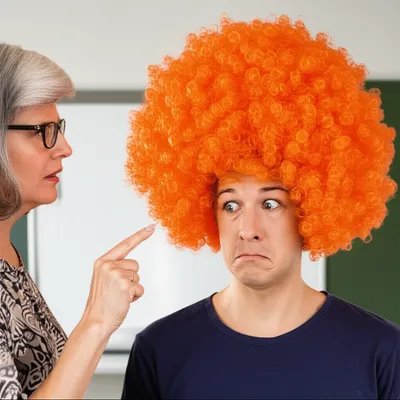
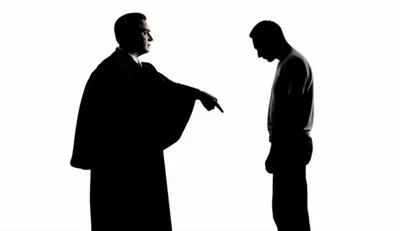
verb 下载 🔗分享 责骂,训斥。 To upbraid, reprimand. Examples : "The teacher wigged out at the student for talking during class. " 老师因为那个学生上课说话而狠狠地训斥了他。 communication language word action 与AI对话词汇游戏阅读练习
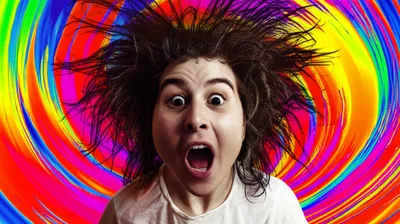
verb 下载 🔗分享 失去理智,精神错乱。 To become extremely emotional or excitable; to lose control of one's emotions. Examples : "When the student realized he had forgotten to study for the final exam, he started to wig. " 当那个学生意识到他忘了为期末考试复习时,他开始变得慌乱失措,快要崩溃了。 emotion mind character human 与AI对话词汇游戏阅读练习