






verb🔗ShareRióTo show mirth, satisfaction, or derision, by peculiar movement of the muscles of the face, particularly of the mouth, causing a lighting up of the face and eyes, and usually accompanied by the emission of explosive or chuckling sounds from the chest and throat; to indulge in laughter."There were many laughing children running on the school grounds."Había muchos niños riendo corriendo por los terrenos de la escuela.emotionhumanactionsoundentertainmentmindbodysensationChat with AIVocabulary GamePractice Reading
verb🔗ShareReír, estar alegreTo be or appear cheerful, pleasant, mirthful, lively, or brilliant; to sparkle; to sport."The children laughed as they splashed water in the park fountain. "Los niños se rieron mientras salpicaban agua en la fuente del parque.emotioncharacterhumanentertainmentChat with AIVocabulary GamePractice Reading
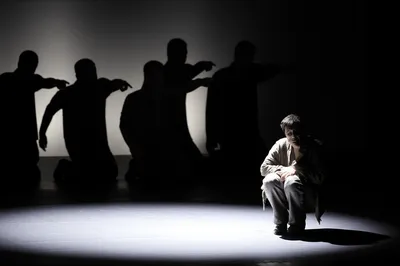
verb🔗ShareReírse de, burlarse de(followed by "at") To make an object of laughter or ridicule; to make fun of; to deride; to mock."The students laughed at the clumsy way the new student tripped on the stairs. "Los estudiantes se rieron de la torpe manera en que el nuevo estudiante tropezó en las escaleras.actionattitudecommunicationemotionhumanlanguageChat with AIVocabulary GamePractice Reading
verb🔗ShareBurlarse de, reírse deTo affect or influence by means of laughter or ridicule."The other students laughed him off the stage after he forgot the words to the song. "Los otros estudiantes se burlaron de él y lo sacaron del escenario después de que olvidó la letra de la canción.emotionentertainmentcommunicationcharacterhumanactionattitudeChat with AIVocabulary GamePractice Reading
verb🔗ShareRióTo express by, or utter with, laughter."My little brother laughed when I tickled him. "Mi hermano pequeño se rió cuando lo hice cosquillas.emotionactionsoundentertainmentcommunicationhumanChat with AIVocabulary GamePractice Reading