noun Télécharger 🔗Partager Servile (grammar) An element which forms no part of the original root. Examples : "In the word "unbreakable," the prefix "un-" is a servile, added to the root word "break" to change its meaning. " Dans le mot « unbreakable », le préfixe « un- » est un élément servile, ajouté au mot racine « break » pour changer son sens. grammar language linguistics word Chat avec IAJeu de vocabulairePratiquer la lecture
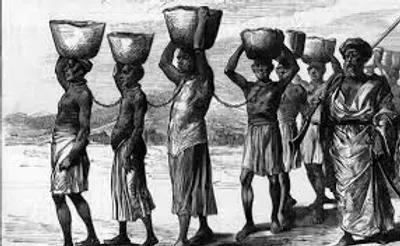
noun Télécharger 🔗Partager Esclave, serviteur A slave; a menial. Examples : "The new student was treated as a servile, doing all the menial tasks for the older students. " Le nouvel élève était traité comme un esclave, faisant toutes les tâches subalternes pour les élèves plus âgés. character person attitude job Chat avec IAJeu de vocabulairePratiquer la lecture
adjective Télécharger 🔗Partager Servile, d'esclave Of or pertaining to a slave. Examples : "The student's servile behavior toward the teacher made his classmates uncomfortable. " Le comportement servile de l'élève envers le professeur mettait mal à l'aise ses camarades de classe. attitude character society human moral Chat avec IAJeu de vocabulairePratiquer la lecture
adjective Télécharger 🔗Partager Servile, soumis Submissive or slavish. Examples : "servile flattery; servile obedience" Flatterie servile ; obéissance servile attitude character moral society person Chat avec IAJeu de vocabulairePratiquer la lecture
adjective Télécharger 🔗Partager N'appartenant pas à la racine d'origine (grammar) Not belonging to the original root. Examples : "a servile letter" Une lettre n'appartenant pas à la racine d'origine. grammar Chat avec IAJeu de vocabulairePratiquer la lecture
adjective Télécharger 🔗Partager Muet (grammar) Not sounded, but serving to lengthen the preceding vowel, like the e in tune. Examples : "The word "alone" has a servile 'e' that lengthens the vowel sound in the first syllable. " Le mot « alone » a un « e » muet qui allonge le son de la voyelle dans la première syllabe. grammar phonetics language linguistics Chat avec IAJeu de vocabulairePratiquer la lecture