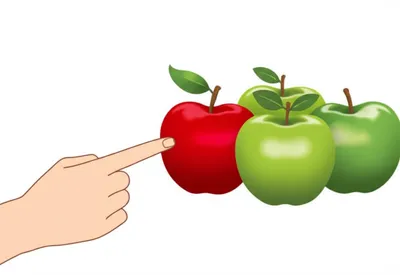


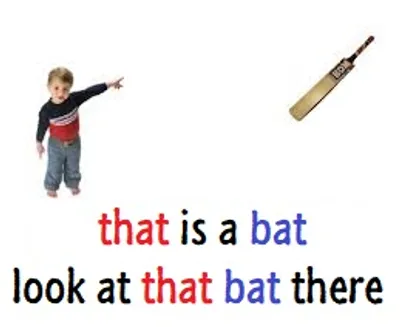

noun🔗ShareCela, celui-ciSomething being indicated that is there; one of those."My sister brought several books to the library, and that one is about dinosaurs. "Ma sœur a apporté plusieurs livres à la bibliothèque, et celui-ci parle de dinosaures.thingitemessentialChat with AIVocabulary GamePractice Reading
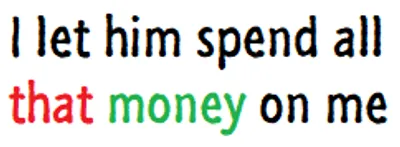
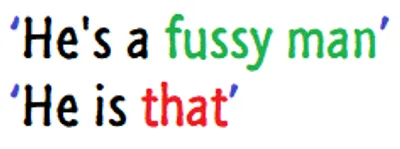
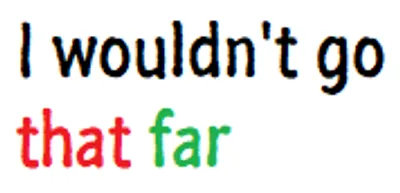
adverb🔗ShareTellement, si(degree) To a given extent or degree.""The ribbon was that thin." "I disagree, I say it was not that thin, it was thicker... or maybe thinner...""« Le ruban était si fin. » « Je ne suis pas d'accord, je dis qu'il n'était pas si fin, il était plus épais... ou peut-être plus fin... »degreeamountessentialChat with AIVocabulary GamePractice Reading
adverb🔗ShareSi, tellement(degree) To a great extent or degree; very, particularly (in negative constructions)."The student studied diligently, so that he understood the lesson very well. "L'étudiant a étudié avec diligence, si bien qu'il a très bien compris la leçon.degreeamountlanguageessentialChat with AIVocabulary GamePractice Reading
adverb🔗ShareSi, tellementTo such an extent; so. (in positive constructions)."Ooh, I was that happy I nearly kissed her."J'étais tellement heureux que j'ai failli l'embrasser.languagegrammaressentialChat with AIVocabulary GamePractice Reading
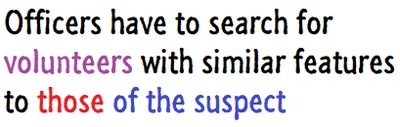
pronoun🔗ShareCela, ce(demonstrative) The thing, person, idea, quality, event, action or time indicated or understood from context, especially if more remote geographically, temporally or mentally than one designated as "this", or if expressing distinction."He went home, and after that I never saw him again."Il est rentré chez lui, et après cela, je ne l'ai plus jamais revu.grammarlanguagewordessentialChat with AIVocabulary GamePractice Reading
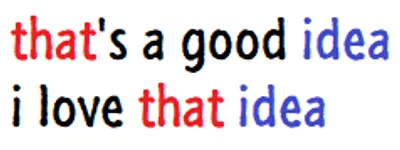
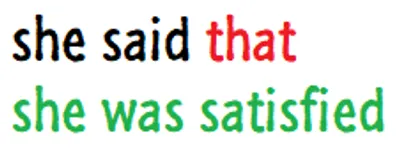
pronoun🔗ShareCela, ceThe known (thing); used to refer to something just said."My teacher said that the test will be on Friday. "Mon professeur a dit que le test aurait lieu vendredi.languagegrammaressentialChat with AIVocabulary GamePractice Reading
pronoun🔗ShareCela, ce(demonstrative) The aforementioned quality or proposition; used to emphatically affirm or deny a previous statement or question."The water is so cold! — That it is."C'est bien ça.grammarlanguagelinguisticsessentialChat with AIVocabulary GamePractice Reading
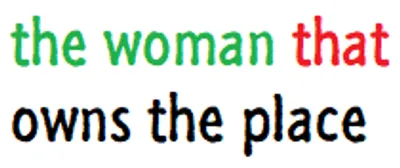
pronoun🔗ShareQui, que, lequel(relative) (plural that) Which, who; representing a subject, direct object, indirect object, or object of a preposition."The CPR course that she took really came in handy."Le cours de RCP qu'elle a suivi lui a vraiment été utile.grammarlanguageessentialChat with AIVocabulary GamePractice Reading
pronoun🔗ShareQui, que, lequelUsed in place of relative adverbs such as where or when; often omitted."the last time that [= when] I went to Europe"La dernière fois que je suis allé en Europe,grammarlanguagewordessentialChat with AIVocabulary GamePractice Reading
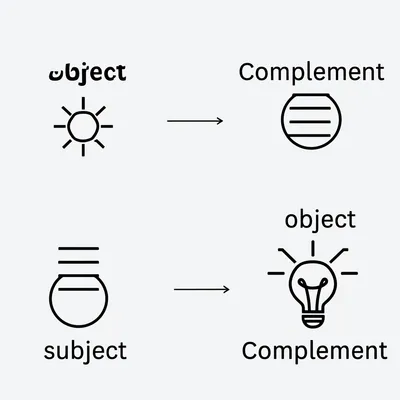
conjunction🔗ShareQueIntroducing a clause which is the subject or object of a verb (such as one involving reported speech), or which is a complement to a previous statement."He told me that the book is a good read."Il m'a dit que le livre était une bonne lecture.grammarlanguagecommunicationlinguisticsessentialChat with AIVocabulary GamePractice Reading
conjunction🔗ShareParce que, puisqueIntroducing a subordinate clause expressing a reason or cause: because, in that."Be glad that you have enough to eat."Réjouissez-vous parce que vous avez assez à manger.grammarlanguageessentialChat with AIVocabulary GamePractice Reading
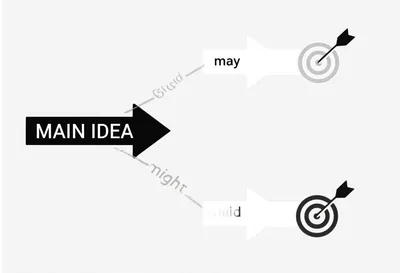
conjunction🔗ShareAfin que, pour queIntroducing a subordinate clause that expresses an aim, purpose or goal ("final"), and usually contains the auxiliaries may, might or should: so, so that."My parents are saving money now, so that they may buy a new car next year. "Mes parents économisent de l'argent maintenant, afin qu'ils puissent acheter une nouvelle voiture l'année prochaine.grammarlanguageessentialChat with AIVocabulary GamePractice Reading
conjunction🔗ShareQueIntroducing — especially, but not exclusively, with an antecedent like so or such — a subordinate clause expressing a result, consequence or effect."The noise was so loud that she woke up."Le bruit était si fort qu'elle s'est réveillée.grammarlanguagelinguisticsessentialChat with AIVocabulary GamePractice Reading
conjunction🔗SharePuisque, étant donné queIntroducing a premise or supposition for consideration: seeing as; inasmuch as; given that; as would appear from the fact that."That the weather is sunny today, we should go for a walk in the park. "Puisqu'il fait beau aujourd'hui, nous devrions aller nous promener dans le parc.grammarlanguageessentialChat with AIVocabulary GamePractice Reading
conjunction🔗ShareQueIntroducing a subordinate clause modifying an adverb."How often did she visit him? — Twice that I saw."À quelle fréquence lui rendait-elle visite ? — Deux fois que je l'ai vu.grammarlanguageessentialChat with AIVocabulary GamePractice Reading
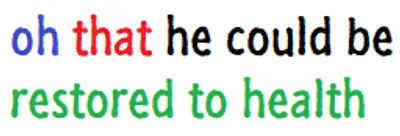
conjunction🔗ShareQueIntroducing an exclamation expressing a desire or wish."Oh that spring would come!"Ah, que le printemps arrive !languagegrammarlinguisticsexclamationessentialChat with AIVocabulary GamePractice Reading
conjunction🔗ShareQueIntroducing an exclamation expressing a strong emotion such as sadness or surprise."My dog just ran away! That made me so sad. "Mon chien vient de s'enfuir ! Ça m'a rendu tellement triste.emotionlanguageexclamationessentialChat with AIVocabulary GamePractice Reading