没入型のビジュアルとAIで語彙をマスター
敬意を表する
"We went to the funeral to pay our respects to the deceased."
私たちは亡くなった方々に敬意を表するために葬儀に出席しました。
先史時代
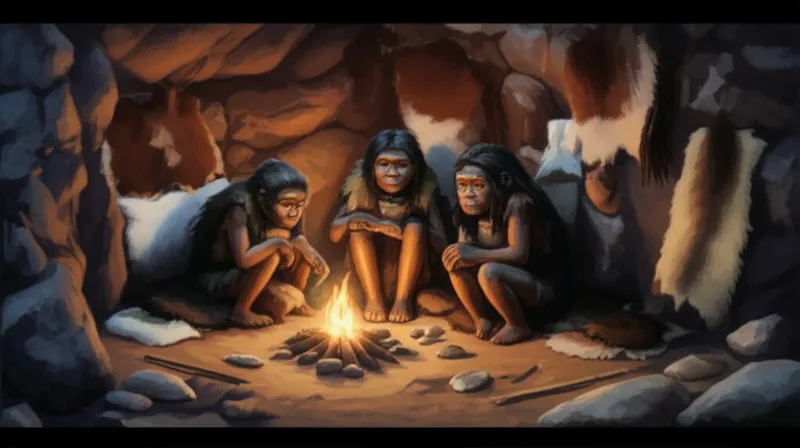
"The early days of our family, before detailed records began, are a period of prehistory for us. "
詳細な記録が始まる前の、私たちの家族の初期の日々は、私たちにとって先史時代です。
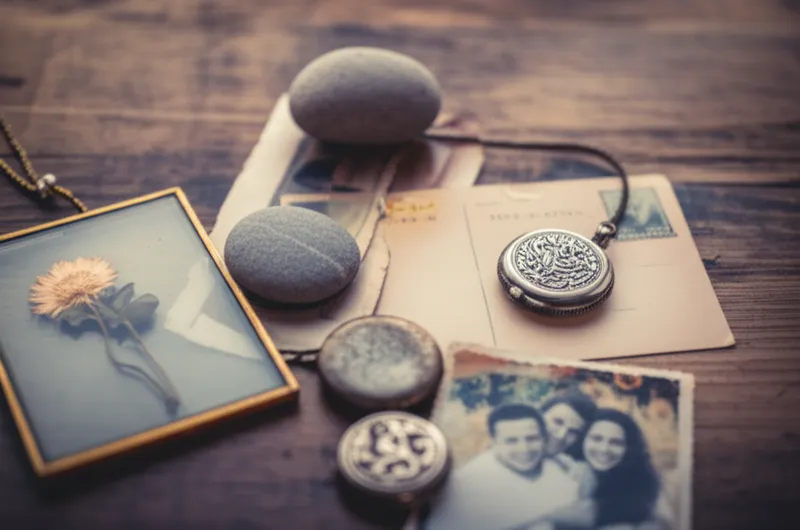
記念品、思い出の品
"I kept the shell as a memento of my visit to the seashore."
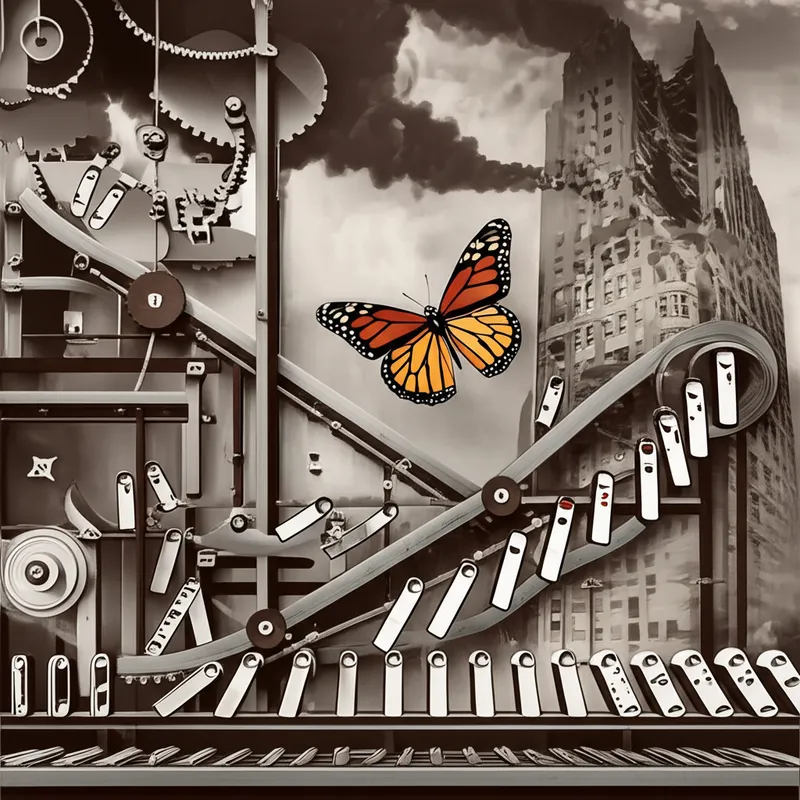
バタフライ効果
"Example of butterfly effect: stepping on a bug 4,000 years ago causes a different person to win the presidential election today."
バタフライ効果の例:4000年前に虫を踏んだことが原因で、今日の大統領選挙で別の人が勝利する。
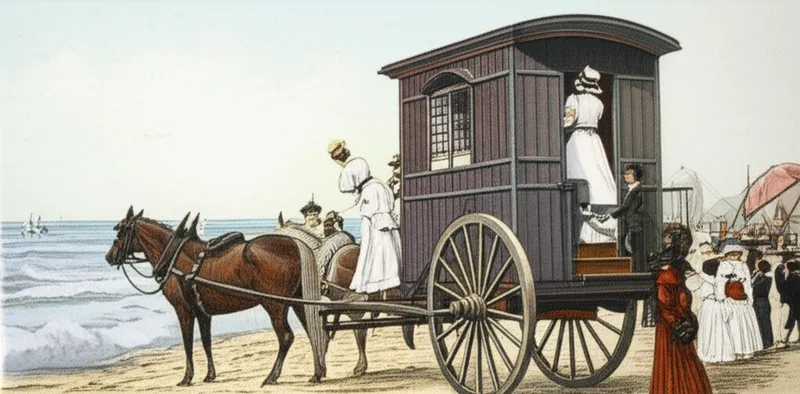
入浴機
"Victorian ladies, concerned with propriety, used bathing machines to change into their swimsuits and enter the water discreetly, away from prying eyes on the beach. "
ビクトリア朝の女性たちは、礼儀作法を重んじ、水着に着替えて、浜辺の詮索好きな目から離れて、人目を忍んで水に入るために、入浴機を使用しました。
遡る, 過去にさかのぼる
"Bill and I have a friendship that goes back years."
ビルと私には、何年も遡る友情があります。
洞窟人
"The political cartoon showed the politician as a caveman, clubbing the budget depicted as a mammoth."
政治風刺漫画は、政治家を洞窟人として描き、マンモスとして描かれた予算を棍棒で殴っている様子を描いた。
仮定法過去
"The grammar lesson focused on recognizing the past tense in sentences that describe imaginary or unreal situations, such as "If I won the lottery, I would travel the world." "
文法の授業では、「もし宝くじに当たったら、世界旅行をするだろう」のように、空想的または非現実的な状況を説明する文における仮定法過去の認識に焦点を当てました。
祖先の儀式
"The family gathered to perform ancestral rites for their departed elders."
家族は亡くなった年長者のために祖先の儀式を行うために集まりました。
分かれる, 離れる
"The siblings twinned at the bus stop, each going their separate ways to school. "
兄弟たちはバス停で別れ、それぞれ学校へ向かいました。
年をとっている、高齢である。
"My grandfather is well advanced in years, but he still enjoys gardening."
祖父はもう年ですが、まだ庭いじりを楽しんでいます。
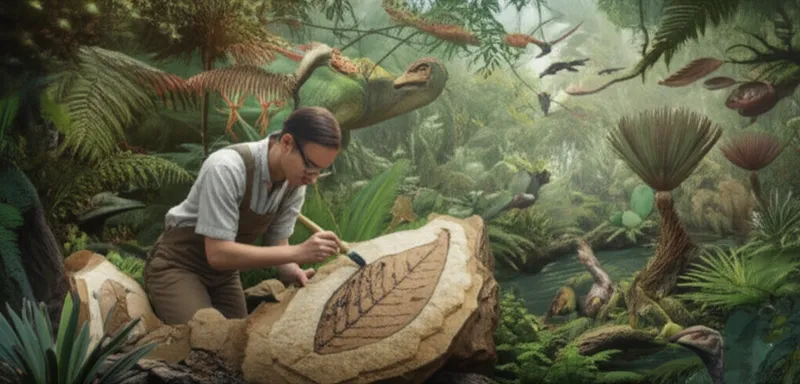
古生態学、化石の証拠を用いて過去の生態系を研究すること
"A student interested in dinosaurs decided to study palaeoecology to learn about the environment in which they lived. "
恐竜に興味のある学生は、恐竜が生息していた環境について学ぶために、古生態学を学ぶことにしました。
慌てて這い出してくる
"The frightened mouse came scrambling out from under the sofa."
怖がったネズミはソファの下から慌てて這い出してきました。
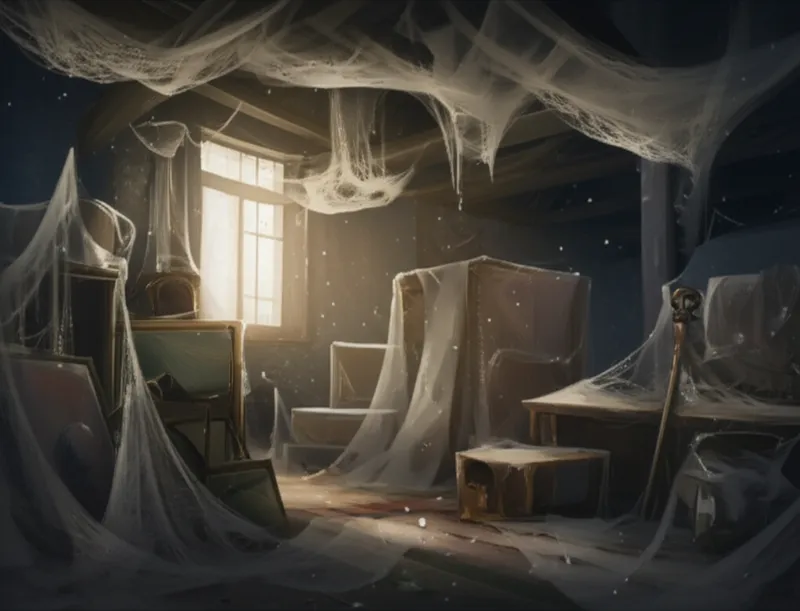
曖昧な記憶、ぼんやりとした記憶
"My memories of childhood summers are just cobwebs now, filled with hazy images and uncertain details. "
子供時代の夏の思い出は、今では曖昧な記憶となり、ぼんやりとしたイメージと不確かな詳細で満たされています。
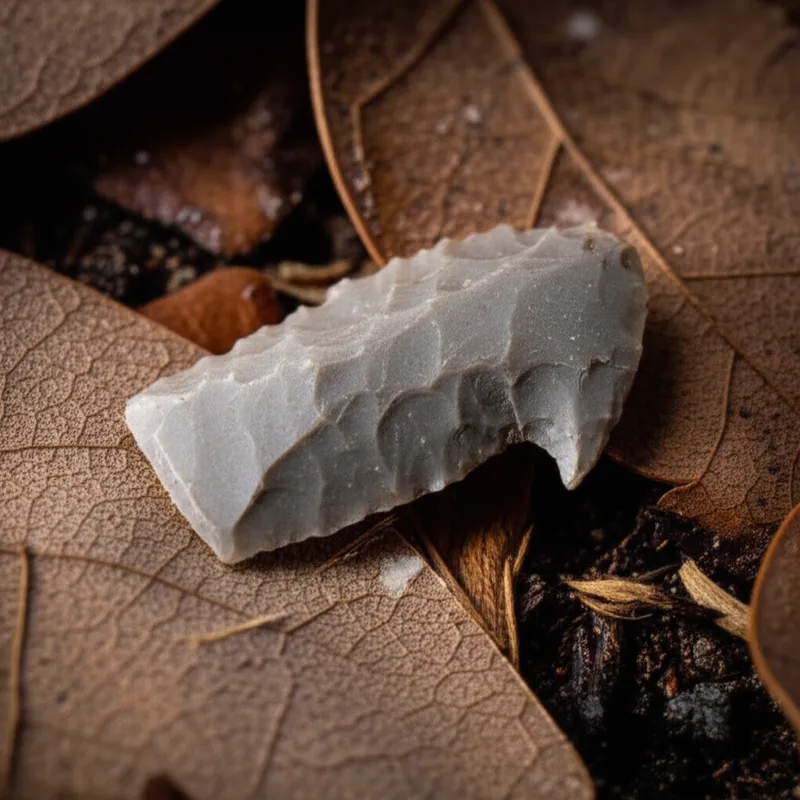
三日月形の石器
"Archaeologists carefully brushed away the soil, revealing several lunates, tiny crescent-shaped arrowheads from the Mesolithic Period. "
考古学者は土を丁寧に払い、中石器時代の小さな三日月形の矢じりである、いくつかの三日月形の石器を露わにしました。
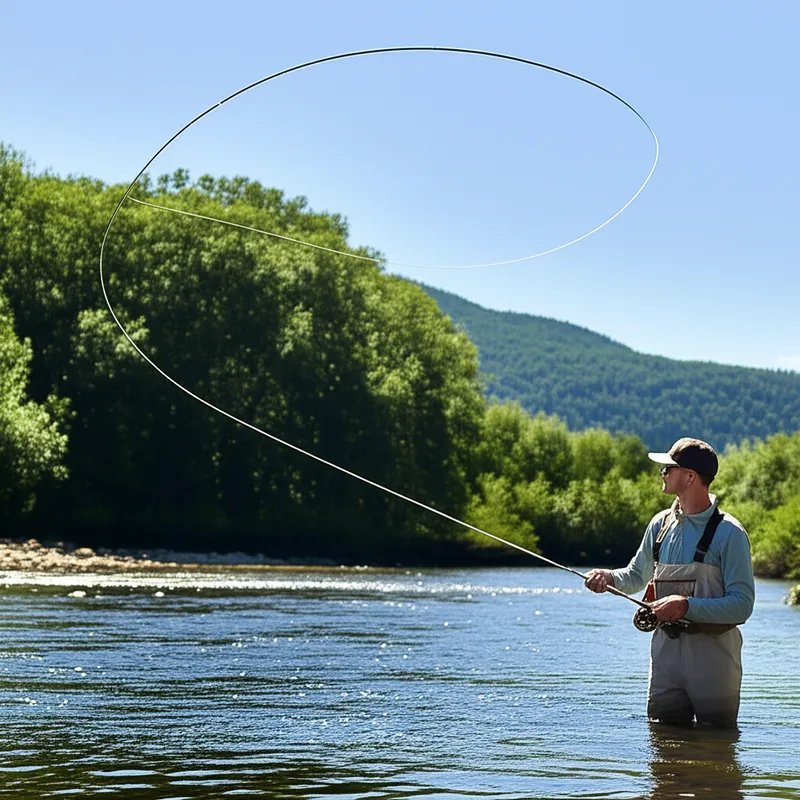
バックキャスト
"The fisherman's poor backcast landed his line in the tree behind him. "
漁師のひどいバックキャストは、彼のラインを後ろの木に落とした。
歴史, 過去
"History repeats itself if we don’t learn from its mistakes."
過去の過ちから学ばなければ、歴史は繰り返される。
古風な, 古い
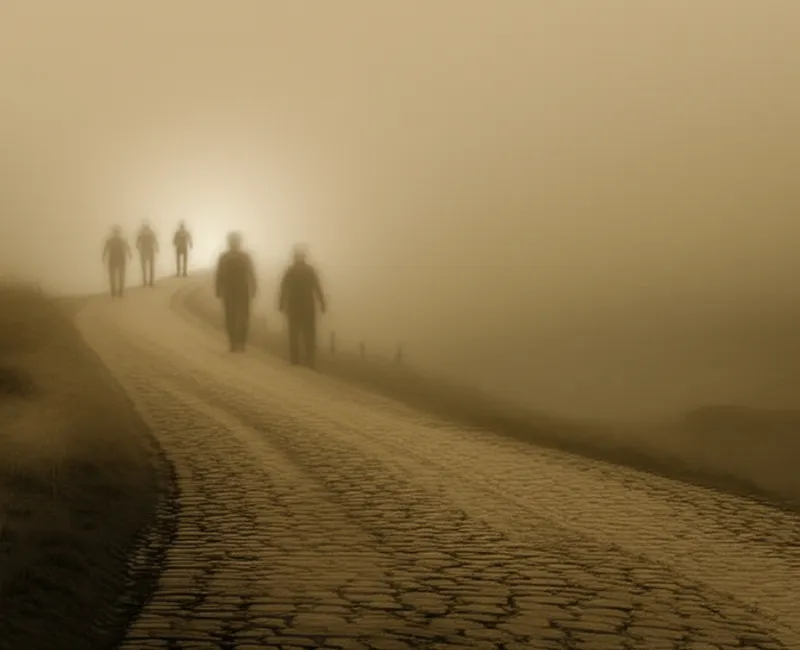
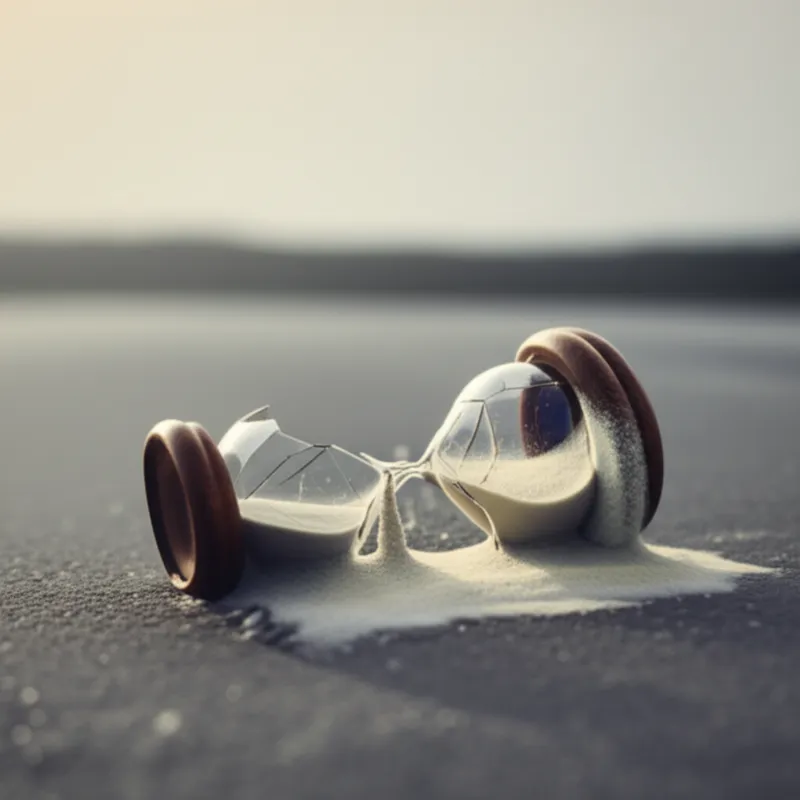
"The museum displayed a hoary manuscript, its origins lost in the mists of time. "
博物館には、その起源が時の霧の中に消え去った、古風な写本が展示されていた。
記憶, 思い出
"My grandmother's photograph served as a constant remembrance of her warm smile. "
祖母の写真が、彼女の温かい笑顔を常に思い出させてくれました。
それから, 以後
"The rain stopped, and thence the sun shone brightly. "
雨が止み、それから太陽が明るく輝いた。