noun ダウンロード 🔗共有 起源, 発端 The beginning of something. Examples : "The origins of the school play can be traced back to a student's creative idea. " 学園劇の起源は、ある生徒の創造的なアイデアに遡ることができます。 history time AIとチャット語彙ゲーム読解練習
noun ダウンロード 🔗共有 起源, 源 The source of a river, information, goods, etc. Examples : "The origins of many popular foods can be traced back to ancient civilizations. " 多くの人気のある食品の起源は、古代文明に遡ることができます。 geography history language AIとチャット語彙ゲーム読解練習
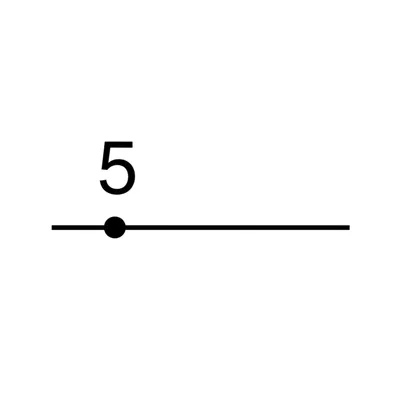
noun ダウンロード 🔗共有 原点 The point at which the axes of a coordinate system intersect. Examples : "In math class, we learned that the origins of the x and y axes on a graph meet at the point (0,0). " 数学の授業で、グラフ上のx軸とy軸の原点が点(0,0)で交わることを学びました。 math point number AIとチャット語彙ゲーム読解練習
noun ダウンロード 🔗共有 起始部 The proximal end of attachment of a muscle to a bone that will not be moved by the action of that muscle. Examples : "The physical therapy student carefully studied the diagram, pointing out the origins of the biceps muscle on the scapula. " 理学療法学生は、肩甲骨上の上腕二頭筋の起始部を指摘しながら、図を注意深く調べました。 anatomy physiology medicine biology part structure AIとチャット語彙ゲーム読解練習
noun ダウンロード 🔗共有 起源, 起点 An arbitrary point on Earth's surface, chosen as the zero for a system of coordinates. Examples : "To easily measure the growth of our sunflower, we marked the corner of the garden bed as the origins of our coordinate system. " ひまわりの成長を簡単に測定するために、庭のベッドの角を座標系の起点としてマークしました。 geography math position point astronomy AIとチャット語彙ゲーム読解練習
noun ダウンロード 🔗共有 起源, 出自 (in the plural) Ancestry. Examples : "Many people are interested in learning about their family's origins to understand their history. " 多くの人々は、自分たちの歴史を理解するために、家族の出自について学ぶことに興味を持っています。 family history AIとチャット語彙ゲーム読解練習