




adjective🔗Shareより古い, 古いOf an object, concept, relationship, etc., having existed for a relatively long period of time."an old abandoned building; an old friend"古い放棄された建物; 古い友人。agetimeChat with AIVocabulary GamePractice Reading
adjective🔗Share古い, 中古のHaving been used and thus no longer new or unused."I find that an old toothbrush is good to clean the keyboard with."古い歯ブラシはキーボードを掃除するのに良いと思います。agetimequalityChat with AIVocabulary GamePractice Reading
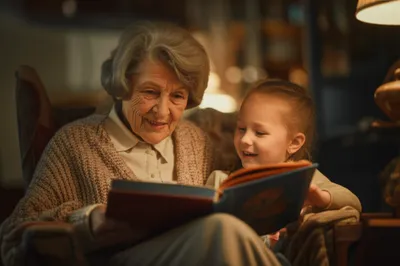
adjective🔗Shareより年上のHaving existed or lived for the specified time."My older brother is going to college next year. "兄は来年大学に進学します。agetimepersonfamilyChat with AIVocabulary GamePractice Reading
adjective🔗Shareより古い, 以前の(heading) Of an earlier time."This older model of car doesn't have air conditioning. "この古いモデルの車にはエアコンがありません。timeagepastChat with AIVocabulary GamePractice Reading
adjective🔗Share退屈な, 飽き飽きするTiresome after prolonged repetition."Your constant pestering is getting old."君の絶え間ない嫌がらせは、もう飽き飽きする。ageChat with AIVocabulary GamePractice Reading
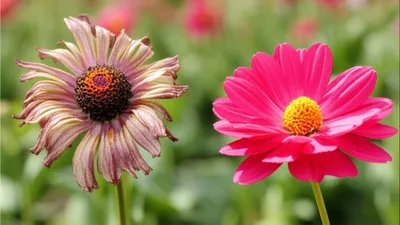
adjective🔗Shareくすんだ, 褪せたSaid of subdued colors, particularly reds, pinks and oranges, as if they had faded over time."The once vibrant red scarf now had an older, faded look after years in the sun. "かつて鮮やかな赤色だったスカーフは、長年太陽にさらされた後、くすんだ、褪せた外観になった。colorappearanceChat with AIVocabulary GamePractice Reading
adjective🔗Share古い、年寄りA grammatical intensifier, often used in describing something positive. (Mostly in idioms like good old, big old and little old, any old and some old.)"My good old dog loves to play fetch in the park. "私の可愛い老犬は公園でボール遊びをするのが大好きです。grammarlanguageChat with AIVocabulary GamePractice Reading
adjective🔗Share年上の, 古いExcessive, abundant."Context: In some dialects, "older" can be used to mean "more" or "excessive," especially with quantities. Sentence: "She added an older amount of sugar to the tea, making it too sweet." "彼女は紅茶に多めの砂糖を加え、甘すぎました。amountqualityChat with AIVocabulary GamePractice Reading