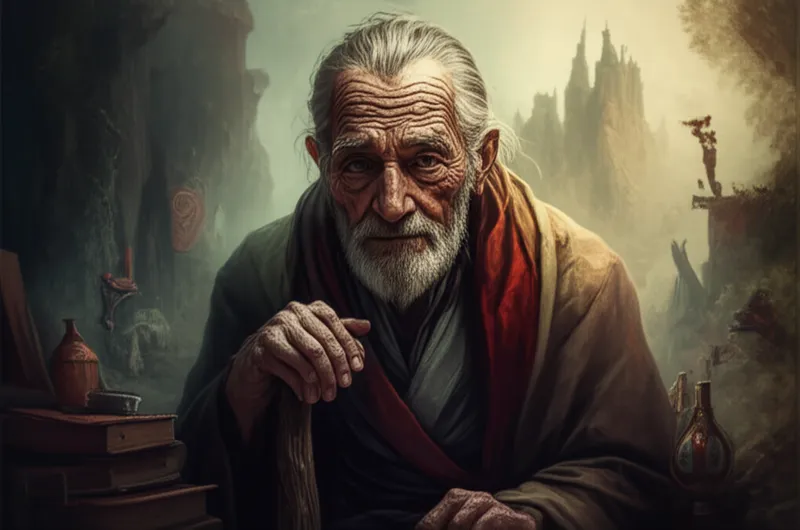

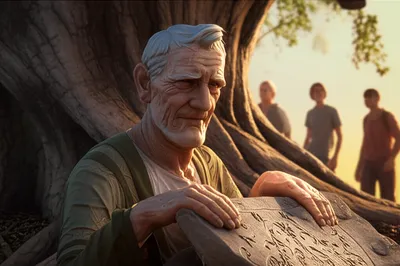
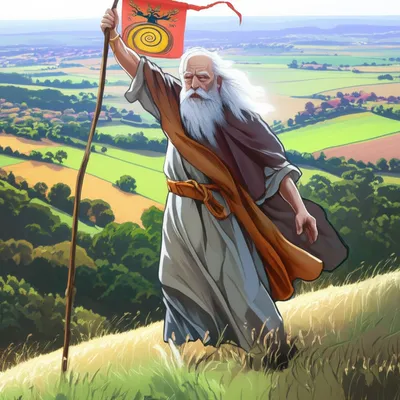
noun🔗Share老人, 古人A person who is very old."In our town, the ancients gather at the community center to play cards and share stories from their long lives. "私たちの町では、老人がコミュニティセンターに集まり、カードゲームをしたり、長い人生からの話を共有したりします。personagehistoryChat with AIVocabulary GamePractice Reading
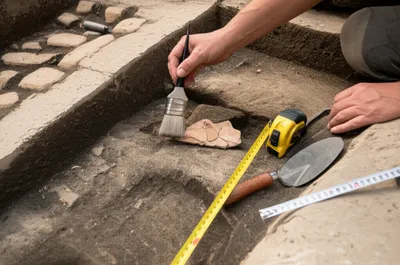
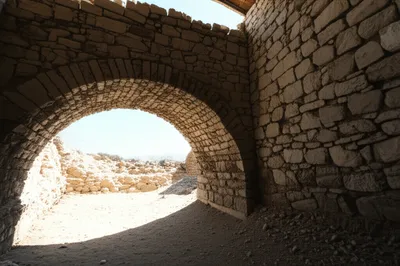
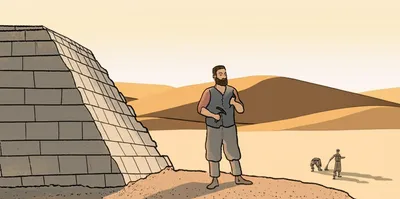
noun🔗Share古代人, 古代の人々A person who lived in ancient times."Archaeologists study the tools and pottery left behind by the ancients to learn about their daily lives. "考古学者は、古代人の日常生活について学ぶために、彼らが残した道具や陶器を研究します。personhistoryageChat with AIVocabulary GamePractice Reading
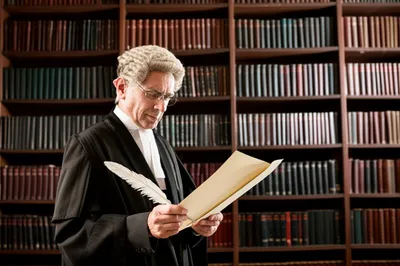
noun🔗Share長老One of the senior members of the Inns of Court or of Chancery."The advice of the ancients was highly valued when the Inn of Court debated the new legal reforms. "法曹院が新しい法改正について議論した際、長老たちの助言は高く評価された。lawhistorypersonageChat with AIVocabulary GamePractice Reading
noun🔗Share先人, 古代人A senior; an elder; a predecessor."Our professor reminded us to study the writings of the ancients like Plato and Aristotle to understand the foundations of Western philosophy. "教授は、西洋哲学の基礎を理解するために、プラトンやアリストテレスのような先人の著作を研究するように私たちに注意を促しました。historyagepersonpastChat with AIVocabulary GamePractice Reading
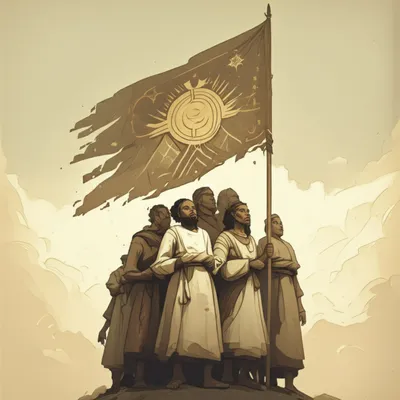
noun🔗Share旗, 幟, 標識A flag, banner, standard or ensign."The ancients of the company, proudly displaying the company logo, were paraded during the anniversary celebration. "会社のロゴを誇らしげに掲げた会社の旗が、記念日の祝賀行事でパレードされました。militaryheraldrynationhistoryChat with AIVocabulary GamePractice Reading
noun🔗Share旗手The bearer of a flag; ensign"The ancients proudly carried their team's banner at the front of the parade. "旗手たちは、パレードの先頭でチームの旗を誇らしげに掲げました。militaryhistoryChat with AIVocabulary GamePractice Reading
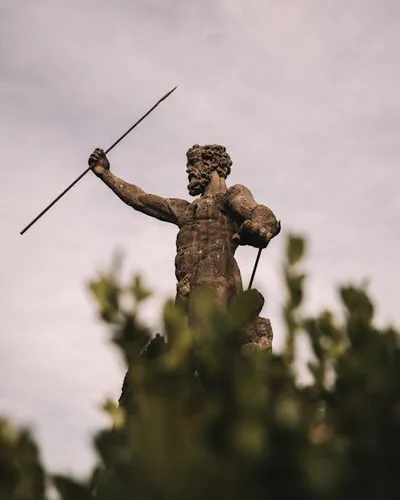
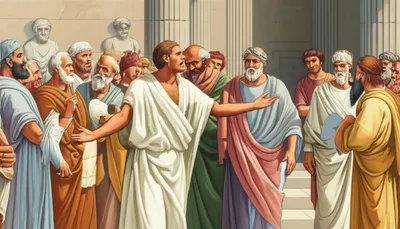
noun🔗Share古代人The people of classical antiquity, especially such writers and philosophers."In history class, we are learning about the ancients and their contributions to mathematics and philosophy. "歴史の授業では、古代人と彼らの数学と哲学への貢献について学んでいます。historypersonculturephilosophyageChat with AIVocabulary GamePractice Reading