



noun🔗ShareヒステリーA condition where the patient has neurological symptoms such as numbness, blindness, paralysis, or fits, but without any neurological explanation."The doctor diagnosed the student with hysteria, as her sudden paralysis had no apparent medical cause. "医者は、彼女の突然の麻痺に明らかな医学的根拠がなかったため、その学生をヒステリーと診断しました。medicineminddiseaseconditionChat with AIVocabulary GamePractice Reading
noun🔗Shareヒステリー、発作Behavior exhibiting excessive or uncontrollable emotion, such as fear or panic."The sudden announcement of a school closure caused a wave of hysteria among the parents. "学校閉鎖の突然の発表は、保護者の間でヒステリーを引き起こした。emotionmindmedicineChat with AIVocabulary GamePractice Reading
noun🔗ShareヒステリーA mental disorder characterized by emotional excitability etc. without an organic cause."The student's sudden outburst of fear and trembling, without any apparent physical reason, was a display of hysteria. "生徒の突然の恐怖と震えの発作は、明らかな身体的理由もなく、ヒステリーの表れでした。medicinemindemotionconditionChat with AIVocabulary GamePractice Reading
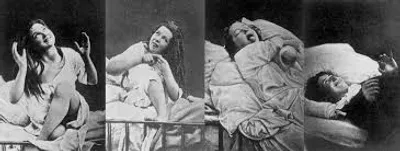
noun🔗Shareヒステリー(until early 20th century) Any disorder of women with some psychiatric symptoms without other diagnosis, ascribed to uterine influences on the female body, lack of pregnancy, or lack of sex."In the 19th century, some doctors attributed the student's emotional outbursts to hysteria, believing it was a disorder specific to women. "19世紀には、一部の医師は学生の感情的な爆発をヒステリーのせいとし、女性特有の病気だと信じていました。medicinehistorymindbodysexdiseaseChat with AIVocabulary GamePractice Reading