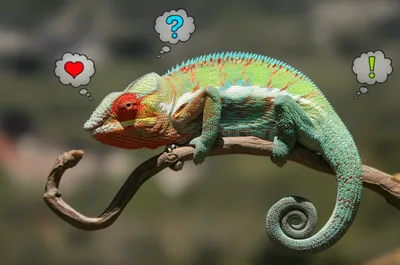
noun ダウンロード 🔗共有 気分、機嫌 A mental or emotional state, composure. Examples : "Her moods changed quickly; one minute she was laughing, and the next she was quiet and thoughtful. " 彼女の気分はすぐに変わった。ある時は笑い、次の瞬間には静かに考え込んでいた。 mind emotion condition AIとチャット語彙ゲーム読解練習
noun ダウンロード 🔗共有 雰囲気, ムード Emotional character (of a work of music, literature, or other art). Examples : "The different instrumental sections in the orchestra created contrasting moods in the film's soundtrack: excitement during action scenes and sadness during the quiet moments. " オーケストラのさまざまな楽器セクションは、映画のサウンドトラックで対照的なムードを作り出しました。アクションシーンでは興奮、静かな瞬間では悲しみです。 art literature music emotion AIとチャット語彙ゲーム読解練習
noun ダウンロード 🔗共有 気分、不機嫌 A sullen, gloomy or angry mental state; a bad mood. Examples : "After failing his test, he was lost in his moods and didn't want to talk to anyone. " 試験に落ちた後、彼は不機嫌になり、誰とも話したくなかった。 mind emotion attitude character AIとチャット語彙ゲーム読解練習
noun ダウンロード 🔗共有 気分, ムード A disposition to do something, a state of mind receptive or disposed to do something. Examples : "After a good night's sleep, I'm usually in the moods for studying hard. " よく眠った後、私はいつも一生懸命勉強する気分です。 mind emotion attitude tendency AIとチャット語彙ゲーム読解練習
noun ダウンロード 🔗共有 気分, ムード A prevalent atmosphere, attitude, or feeling. Examples : "A good politician senses the mood of the crowd." 優れた政治家は群衆の気分を察知する。 mind emotion attitude sensation being character AIとチャット語彙ゲーム読解練習
noun ダウンロード 🔗共有 気分、雰囲気 A familiar, relatable feeling, experience, or thing. Examples : "The different colors in the painting captured a variety of moods, from happiness to sadness. " 絵画の様々な色は、幸福から悲しみまで、さまざまな気分を捉えていた。 emotion mind sensation AIとチャット語彙ゲーム読解練習
noun ダウンロード 🔗共有 勇気、心、勇ましさ。活力と気力も Courage, heart, valor; also vim and vigor. Examples : "He fought with mood in many a bloody slaught." 彼は多くの血なまぐさい戦いで勇気を持って戦った。 character emotion mind attitude AIとチャット語彙ゲーム読解練習
noun ダウンロード 🔗共有 法 (grammar) A verb form that depends on how its containing clause relates to the speaker’s or writer’s wish, intent, or assertion about reality. Examples : "The most common mood in English is the indicative." 英語で最も一般的な法は直説法です。 grammar language linguistics AIとチャット語彙ゲーム読解練習