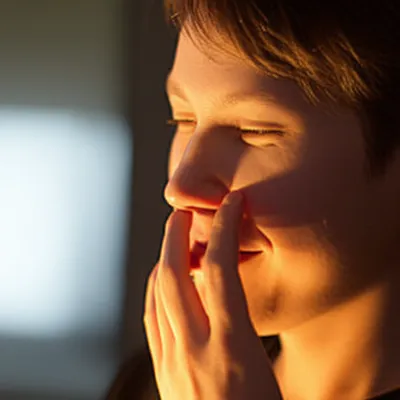
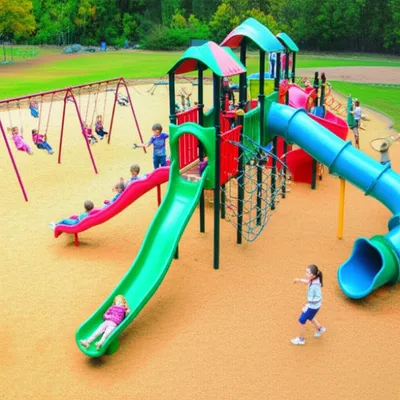
verb ダウンロード 🔗共有 笑う To show mirth, satisfaction, or derision, by peculiar movement of the muscles of the face, particularly of the mouth, causing a lighting up of the face and eyes, and usually accompanied by the emission of explosive or chuckling sounds from the chest and throat; to indulge in laughter. Examples : "There were many laughing children running on the school grounds." 校庭には、笑っている子供たちがたくさん走っていました。 emotion body sound action entertainment human physiology sensation AIとチャット語彙ゲーム読解練習
verb ダウンロード 🔗共有 笑う, 楽しむ To be or appear cheerful, pleasant, mirthful, lively, or brilliant; to sparkle; to sport. Examples : "The children were laughing and playing in the park, their faces bright with joy. " 子供たちは公園で笑い、遊んでいて、その顔は喜びに輝いていました。 emotion human sensation attitude character AIとチャット語彙ゲーム読解練習
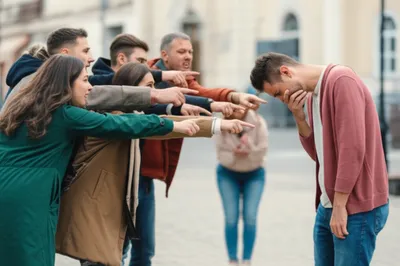
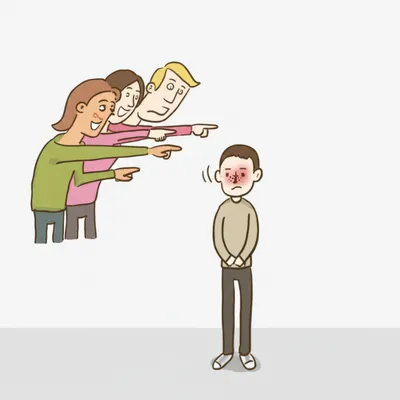
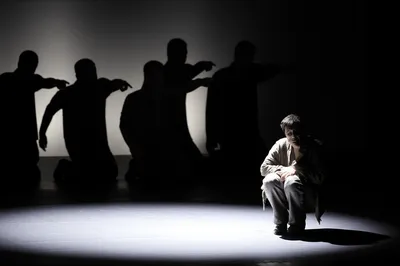
verb ダウンロード 🔗共有 笑う, あざ笑う (followed by "at") To make an object of laughter or ridicule; to make fun of; to deride; to mock. Examples : "The other children were laughing at him because he tripped and fell in the mud. " 他の子供たちは、彼がつまずいて泥の中に転んだので、彼をあざ笑っていました。 attitude action human person character emotion AIとチャット語彙ゲーム読解練習
verb ダウンロード 🔗共有 笑いや嘲笑によって影響を与える To affect or influence by means of laughter or ridicule. Examples : "The older students were laughing at the new kid's mismatched clothes. " 年上の生徒たちは、新しい子のちぐはぐな服を笑っていた。 emotion action human character attitude sensation AIとチャット語彙ゲーム読解練習
verb ダウンロード 🔗共有 笑う To express by, or utter with, laughter. Examples : "The children were laughing at the clown's silly tricks. " 子供たちはピエロのばかげた手品を見て笑っていました。 emotion action human entertainment sensation AIとチャット語彙ゲーム読解練習
noun ダウンロード 🔗共有 笑い The action of the verb to laugh. Examples : "The children's laughing filled the playground with joy. " 子供たちの笑い声が遊び場を喜びで満たした。 emotion action sensation human entertainment AIとチャット語彙ゲーム読解練習