
noun🔗Share平民, 庶民A commoner, a member of the lower class of a society."The wealthy students looked down on the rest of us, calling us "plebs" because we couldn't afford the fancy school trips. "裕福な生徒たちは、高価な修学旅行に行けない私たちを「平民」と呼んで見下していました。societypoliticshistorygrouppersonChat with AIVocabulary GamePractice Reading
noun🔗Share平民, 大衆A common person, an unsophisticated or cultureless person."The art critic dismissed the crowd's opinions, saying, "What do the plebs know about modern art? They wouldn't understand the nuances." "美術評論家は群衆の意見を退け、「平民に現代美術の何がわかるんだ?彼らはニュアンスを理解できないだろう」と言った。personculturesocietyattitudeChat with AIVocabulary GamePractice Reading
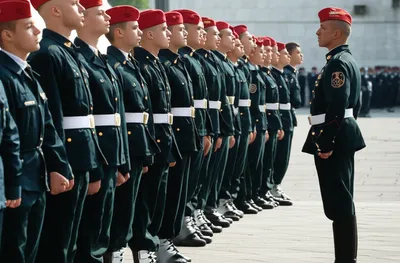
noun🔗Share新入生, 下級生(usually derogatory) A freshman cadet at a military academy."During the first year at West Point, the "plebes" are often assigned the most menial tasks. "ウェストポイントでの1年目は、新入生は最もつまらない仕事を割り当てられることが多い。militarypersoneducationChat with AIVocabulary GamePractice Reading
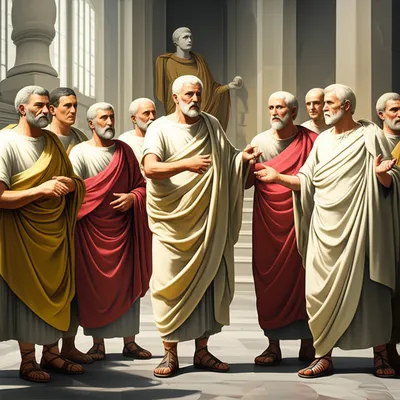
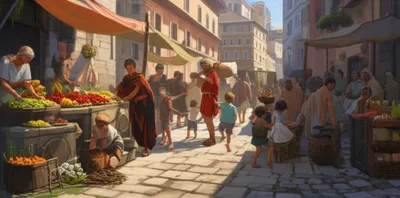
noun🔗Share平民, プレブスThe plebeian class of Ancient Rome."In ancient Rome, the plebs had fewer political rights than the patricians. "古代ローマでは、プレブスは貴族よりも少ない政治的権利を持っていました。historysocietygrouppersongovernmentpoliticsChat with AIVocabulary GamePractice Reading
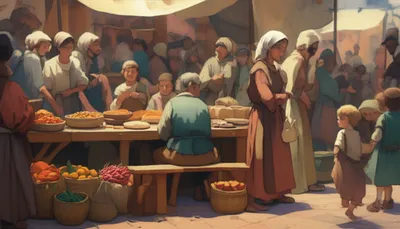
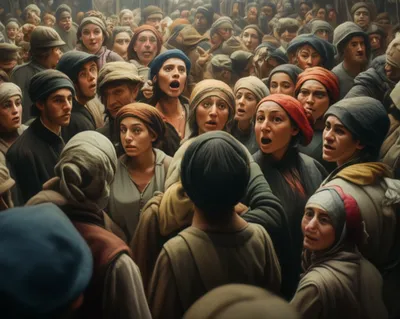
noun🔗Share平民、大衆The common people, especially the mob."The plebs at the school meeting complained loudly about the new lunch menu. "学校の会議で、平民たちは新しいランチメニューについて大声で不満を言った。politicssocietygrouppersongovernmenthistoryChat with AIVocabulary GamePractice Reading