


adjective🔗Share共通の, 相互のMutual; shared by more than one."The two competitors have the common aim of winning the championship."二人の競技者は、選手権で優勝するという共通の目標を持っています。groupsocietyChat with AIVocabulary GamePractice Reading
adjective🔗Share一般的な, 頻繁なOccurring or happening regularly or frequently; usual."It is common to find sharks off this coast."この海岸沖でサメを見かけるのは一般的です。frequencyconditionnatureChat with AIVocabulary GamePractice Reading
adjective🔗Share一般的な、普通のFound in large numbers or in a large quantity; usual."It differs from the common blackbird in the size of its beak."それは、一般的なクロウタドリとはくちばしの大きさが異なります。qualityfrequencynatureconditiontypeChat with AIVocabulary GamePractice Reading
adjective🔗Shareありふれた, 平凡な, 俗なSimple, ordinary or vulgar."While "commoner" is a noun, its adjective form is "common." Here's a sentence using it correctly: "He dismissed my suggestions as common sense, implying they were too obvious or unoriginal to be valuable." "「commoner」は名詞ですが、その形容詞形は「common」です。以下はそれを正しく使用した文です。 彼は私の提案を凡庸な常識として退け、それらが価値があるにはあまりにも明白すぎるか、独創性に欠けていることをほのめかしました。societyculturestyleroyalcharacterChat with AIVocabulary GamePractice Reading
adjective🔗Share共通の、両性の(grammar) In some languages, particularly Germanic languages, of the gender originating from the coalescence of the masculine and feminine categories of nouns."While not directly observable in modern English, the neuter gender in Old English can be seen as a commoner gender, having absorbed many nouns that were originally masculine or feminine. "現代英語では直接観察できませんが、古英語の中性は、元々男性または女性だった多くの名詞を吸収した、共通の性別と見なすことができます。grammarlanguagelinguisticsChat with AIVocabulary GamePractice Reading
adjective🔗Share普通の名詞の(grammar) Of or pertaining to common nouns as opposed to proper nouns."The textbook's chapter on animals used commoner nouns like "dog" and "cat" instead of proper nouns like "Lassie" or "Whiskers." "教科書の動物に関する章では、「ラッシー」や「ウィスカーズ」のような固有名詞ではなく、「犬」や「猫」のような普通名詞が使われていました。grammarlinguisticslanguageChat with AIVocabulary GamePractice Reading
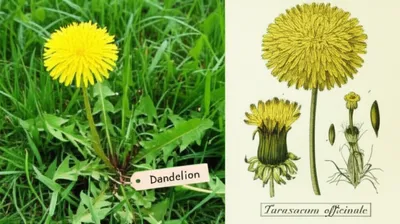
adjective🔗Share共通の, 一般的なVernacular, referring to the name of a kind of plant or animal, i.e., common name vs. scientific name."The commoner name for the plant is "wildflower," while the scientific name is Viola tricolor. "その植物の一般的な名前は「ワイルドフラワー」で、学名はViola tricolorです。languagebiologynatureChat with AIVocabulary GamePractice Reading
adjective🔗Share不敬な, 汚れたProfane; polluted."The construction site became commoner after the chemical spill. "化学物質流出の後、建設現場は汚れた場所になった。religionmoralChat with AIVocabulary GamePractice Reading
adjective🔗Share好色な, みだらなGiven to lewd habits; prostitute.sexhumanmoralsocietyChat with AIVocabulary GamePractice Reading
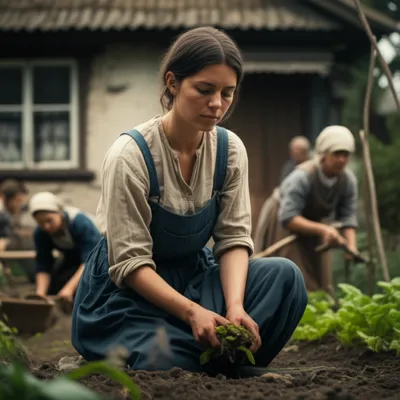
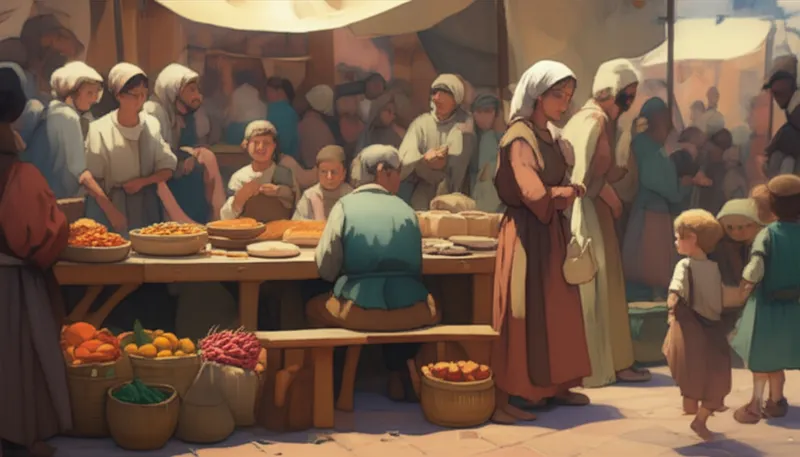
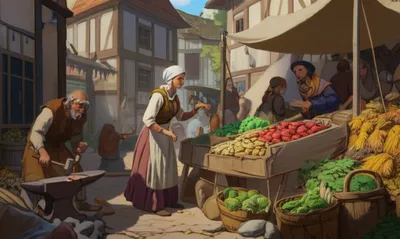
noun🔗Share平民, 一般人A member of the common people who holds no title or rank."The baker, a commoner with flour dusting his apron, smiled warmly at the visiting Duchess. "パン屋は、エプロンに小麦粉をまぶした平民で、訪問中の公爵夫人に温かく微笑んだ。personsocietyhistoryChat with AIVocabulary GamePractice Reading
noun🔗Share平民, 一般人Someone who is not of noble rank."The king waved to the crowd, a mix of nobles in fancy clothes and commoners in simple ones. "王は、派手な服を着た貴族と質素な服を着た平民が混ざった群衆に手を振った。royalpersonsocietyhistoryChat with AIVocabulary GamePractice Reading
noun🔗Share奨学金のない学部生(Oxbridge slang) An undergraduate who does not hold either a scholarship or an exhibition."At Oxford, Tom was a commoner, meaning he had to pay full tuition unlike his scholarship-winning friends. "オックスフォードで、トムは奨学金のない学部生で、奨学金を得た友人たちとは異なり、授業料を全額支払わなければなりませんでした。educationpersonlanguagesocietyChat with AIVocabulary GamePractice Reading
noun🔗Share授業料を払う学生(Oxford University) A student who is not dependent on any foundation for support, but pays all university charges; at Cambridge called a pensioner.""Unlike the scholars on scholarship, John was a commoner at Oxford, paying his tuition and board himself." "奨学金を受けている学者とは異なり、ジョンはオックスフォードで授業料と寮費を自分で払う学生でした。educationpersonhistoryChat with AIVocabulary GamePractice Reading
noun🔗Share平民、一般人Someone holding common rights because of residence or land ownership in a particular manor, especially rights on common land."As a commoner, John had the right to graze his sheep on the village's common land, a privilege passed down through generations of his family who lived in the manor. "平民であるジョンは、村の共有地で羊を放牧する権利を持っており、それは領地に住んでいた彼の家族の何世代にもわたって受け継がれてきた特権でした。propertyrighthistorysocietyChat with AIVocabulary GamePractice Reading
noun🔗Share一般人, 平民One sharing with another in anything."The students, both the commoner and the scholarship recipient, shared a common desire to succeed in their studies. "学生たちは、一般人も奨学生も、学業で成功したいという共通の願望を共有していました。personsocietypoliticsChat with AIVocabulary GamePractice Reading