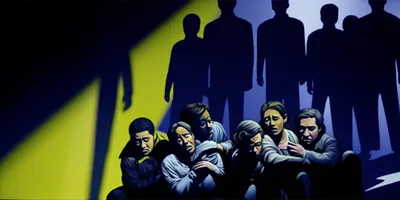
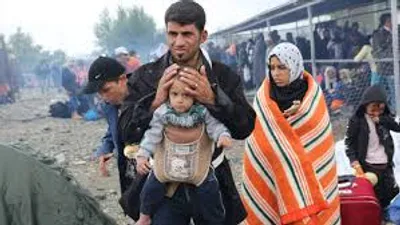

noun🔗Share難民A person seeking refuge in a foreign country out of fear of political persecution or the prospect of such persecution in their home country, i.e., a person seeking political asylum."After the war, many refugees fled their country and sought safety in neighboring nations. "戦争後、多くの難民が母国を逃れ、近隣諸国に安全を求めた。politicsworldgovernmentnationrighthumanpersonstatewarlawsocietyessentialChat with AIVocabulary GamePractice Reading
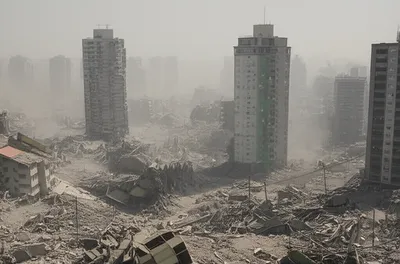
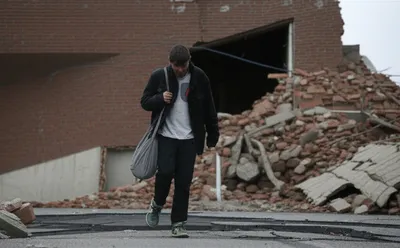
noun🔗Share難民A person seeking refuge due to a natural disaster, war, etc."After the earthquake, many families became refugees and sought shelter in a nearby town. "地震の後、多くの家族が難民となり、近くの町で避難所を求めました。persondisasterwarpoliticsnationsocietygovernmenthumanaidessentialChat with AIVocabulary GamePractice Reading
noun🔗Share難民A person formally granted political or economic asylum by a country other than their home country."After fleeing the war, the young refugee was granted asylum in Canada. "戦争から逃れた後、その若い難民はカナダで亡命を認められた。politicsgovernmentnationsocietyhumanpersonworldaidrightessentialChat with AIVocabulary GamePractice Reading
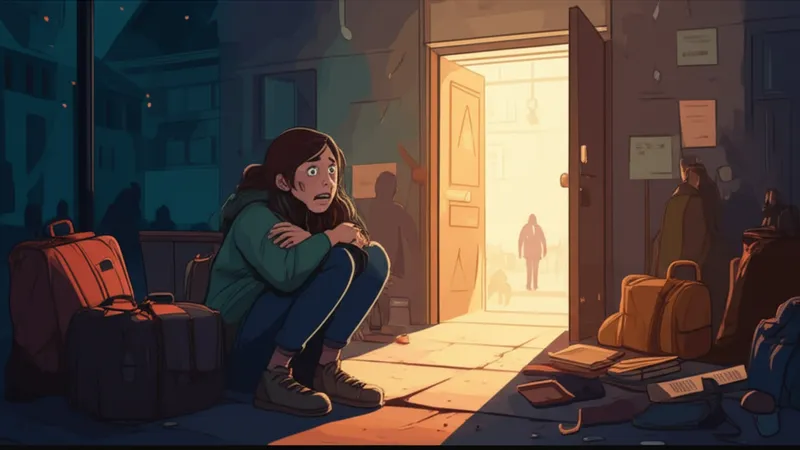
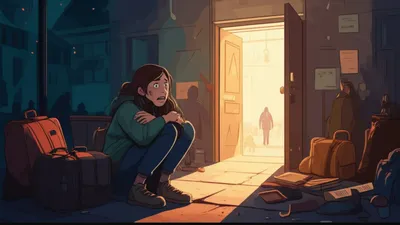
noun🔗Share難民(by extension) A person who flees one place or institution for another."After a big argument with his family, the teenager became a refugee from his own home, seeking shelter with a friend. "家族との大喧嘩の後、その10代の少年は自分の家からの難民となり、友人のもとに避難を求めた。personpoliticssocietygovernmentdisasterwarhumanessentialChat with AIVocabulary GamePractice Reading
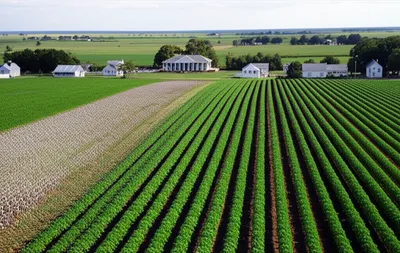
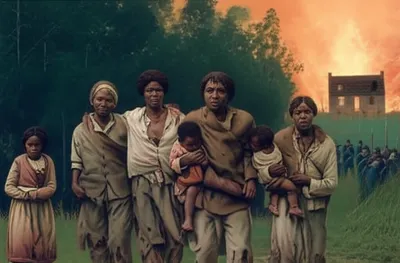
verb🔗Share逃がすTo convey (slaves) away from the advance of the federal forces."The plantation owner had to refugee his slaves as the Union army approached. "連合軍が近づいてきたため、農園主は奴隷を逃がさなければならなかった。historywarmilitaryessentialChat with AIVocabulary GamePractice Reading