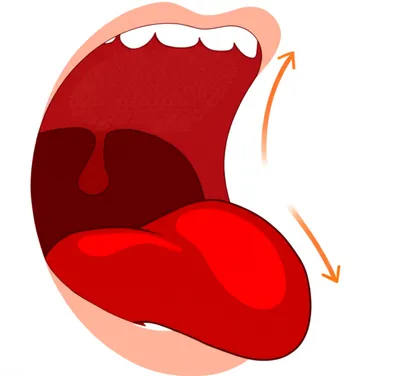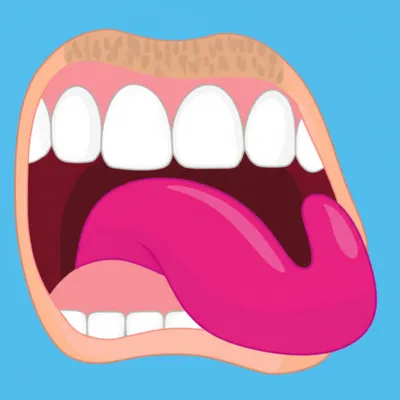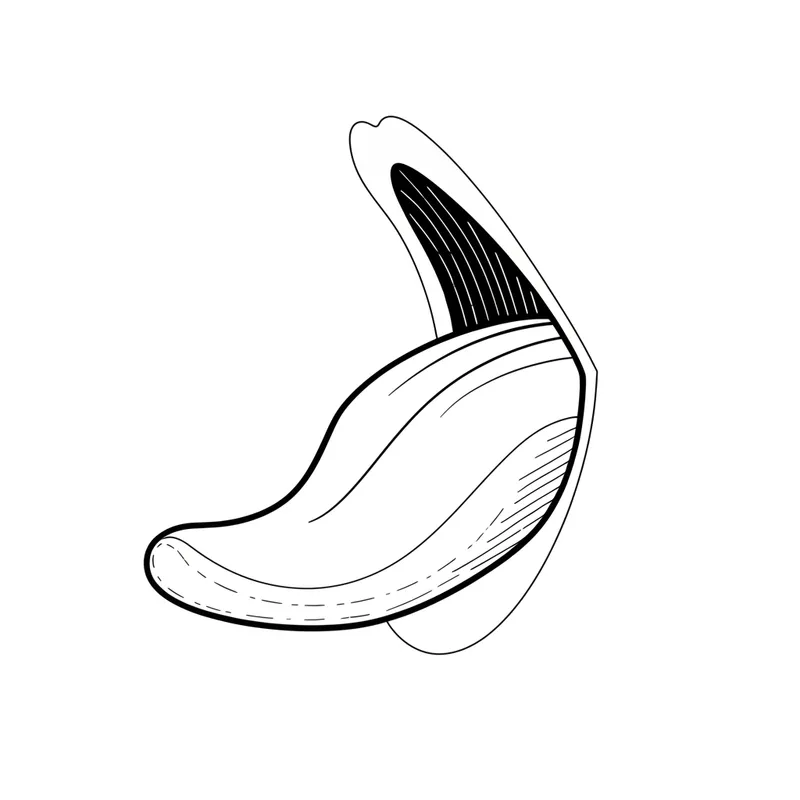

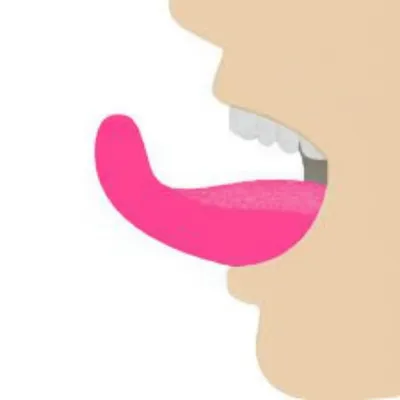
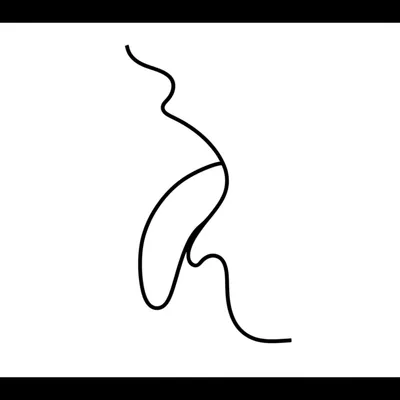
noun🔗Share反舌音A consonant pronounced with the underside of the tongue approaching or touching the palate."The linguist demonstrated how to produce a retroflex by curling her tongue backward towards the roof of her mouth. "言語学者は、舌を口蓋の後ろに巻き込むことで、反舌音をどのように発音するかを実演しました。languagephoneticslinguisticsChat with AIVocabulary GamePractice Reading
noun🔗Shareそり舌音A consonant pronounced with the tip of the tongue approaching or touching the back of the alveolar ridge."The phonetics student struggled to produce a clear retroflex when practicing Hindi pronunciation. "音声学の学生は、ヒンディー語の発音を練習する際に、明瞭なそり舌音を出すのに苦労しました。phoneticslanguagelinguisticsChat with AIVocabulary GamePractice Reading
noun🔗Shareそり舌音A consonant pronounced with the blade of the tongue approaching or touching the back of the alveolar ridge."The pronunciation of the "r" sound in some dialects of English involves a retroflex. "英語の一部のダイアレクトにおける「r」の発音には、そり舌音が含まれる。phoneticslinguisticslanguageChat with AIVocabulary GamePractice Reading
noun🔗Share上記のいずれかの子音(phonetics, general sense) Any of the aforementioned consonants."The student struggled to pronounce the retroflex correctly, finding the tongue position difficult. "学生は舌の位置が難しく、反舌音を正しく発音するのに苦労しました。phoneticslanguagelinguisticsChat with AIVocabulary GamePractice Reading
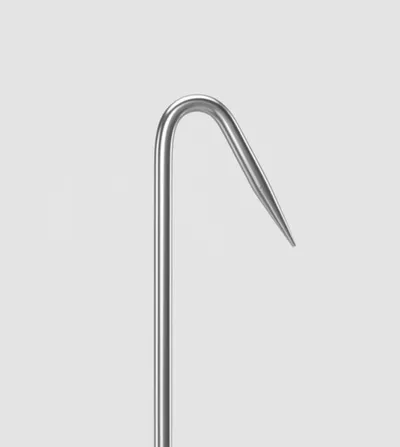
adjective🔗Share後屈した, 後ろに曲がったBent or curved backwards."The doctor noticed a slight retroflex curve in the patient's spine on the X-ray. "医者はレントゲン写真で、患者の脊椎にわずかな後屈したカーブがあることに気づいた。directionbodypartlinguisticsphoneticsChat with AIVocabulary GamePractice Reading
adjective🔗Shareそり舌のOf pronunciation in which the tip of the tongue is raised and bent backwards, so that the underside of the tongue approaches or touches the palate."The teacher explained that the retroflex "r" sound in the word "rural" requires the tongue to curl back. "先生は、単語「rural」のそり舌の「r」音は、舌を後ろに巻き込む必要があると説明しました。languagephoneticslinguisticsChat with AIVocabulary GamePractice Reading
adjective🔗Shareそり舌のOf pronunciation in which the tip of the tongue approaches or touches the back of the alveolar ridge."The speaker's accent was noticeable because she used a retroflex "r" sound, curling her tongue back in her mouth when she pronounced the letter. "話し手のアクセントは、彼女がそり舌の「r」の音を使用し、その文字を発音する際に舌を口の中で後ろに丸めたため、顕著でした。phoneticslanguagelinguisticsChat with AIVocabulary GamePractice Reading
adjective🔗Shareそり舌のOf pronunciation in which the blade of the tongue approaches or touches the back of the alveolar ridge."In some dialects of Mandarin Chinese, the "r" sound is often pronounced with a retroflex tongue position. "中国語の北京語の一部の発音では、「r」の音はしばしばそり舌の位置で発音されます。phoneticslinguisticslanguageChat with AIVocabulary GamePractice Reading
adjective🔗Share反舌の(phonetics, general sense) Of any of the aforementioned pronunciations."The Mandarin Chinese word "shi" often has a retroflex pronunciation, curling the tongue back in the mouth while saying the sound. "中国語の「shi」という単語は、発音する際に舌を口の中で巻き込む反舌音の発音をすることが多い。phoneticslanguagelinguisticssoundChat with AIVocabulary GamePractice Reading