






noun🔗Share召使い(grammar) An element which forms no part of the original root."In the word "unbreakable," the prefix "un-" is a servile, added to the root word "break" to change its meaning. "「unbreakable」という単語では、接頭辞「un-」は召使いであり、意味を変えるために語根「break」に追加されます。grammarlanguagelinguisticswordChat with AIVocabulary GamePractice Reading
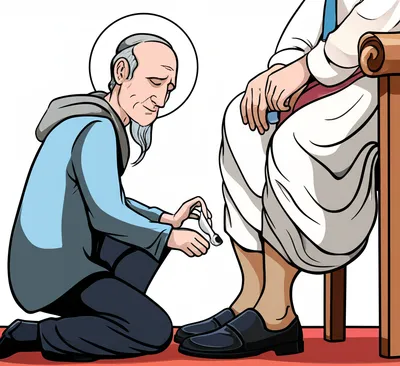
noun🔗Share奴隷, 下僕A slave; a menial."The new student was treated as a servile, doing all the menial tasks for the older students. "新しい生徒は奴隷のように扱われ、先輩たちのためにすべての雑用をこなしていた。characterpersonattitudejobChat with AIVocabulary GamePractice Reading
adjective🔗Share奴隷の, 卑屈なOf or pertaining to a slave."The student's servile behavior toward the teacher made his classmates uncomfortable. "生徒が教師に対して見せた卑屈な態度は、クラスメートを不快にさせた。attitudecharactersocietyhumanmoralChat with AIVocabulary GamePractice Reading
adjective🔗Share追従的な, 卑屈なSubmissive or slavish."servile flattery; servile obedience"追従的なお世辞; 卑屈な服従attitudecharactermoralsocietypersonChat with AIVocabulary GamePractice Reading
adjective🔗Share元の語根に属さない(grammar) Not belonging to the original root."a servile letter"元の語根に属さない文字。grammarChat with AIVocabulary GamePractice Reading
adjective🔗Share無音の(grammar) Not sounded, but serving to lengthen the preceding vowel, like the e in tune."The word "alone" has a servile 'e' that lengthens the vowel sound in the first syllable. "単語「alone」には、最初の音節の母音を長くする無音の「e」があります。grammarphoneticslanguagelinguisticsChat with AIVocabulary GamePractice Reading