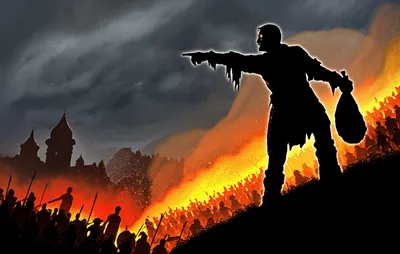
noun ダウンロード 🔗共有 反逆者 Someone who violates an allegiance and betrays their country; someone guilty of treason; one who, in breach of trust, delivers their country to an enemy, or yields up any fort or place entrusted to his defense, or surrenders an army or body of troops to the enemy, unless when vanquished Examples : "The king's own guards, who secretly opened the city gates to the enemy army, were considered traitors by the loyal citizens. " 敵軍に秘密裏に城門を開いた王自身の衛兵は、忠実な市民から反逆者と見なされた。 politics nation government military war law state history moral guilt person AIとチャット語彙ゲーム読解練習
noun ダウンロード 🔗共有 反逆者, 裏切り者 Someone who takes arms and levies war against their country; or one who aids an enemy in conquering his country. Examples : "During the civil war, those who joined the opposing side were considered traitors to their own country. " 内戦中、敵対する側に加わった人々は、自国に対する裏切り者と見なされました。 politics government nation military war person state moral history AIとチャット語彙ゲーム読解練習
noun ダウンロード 🔗共有 裏切り者 Hence, one who betrays any confidence or trust. Examples : ""The students who shared the exam questions with others were considered traitors to the class." " 試験問題を他の生徒と共有した生徒は、クラスの裏切り者と見なされた。 politics nation government state moral character history war law person AIとチャット語彙ゲーム読解練習
verb ダウンロード 🔗共有 裏切る, 背く To act the traitor toward; to betray; to deceive. Examples : "The spy traitors his country by selling secrets to the enemy. " スパイは敵に秘密を売って祖国を裏切る。 politics government moral action nation state war military attitude character law AIとチャット語彙ゲーム読解練習