






noun🔗Share一般人, 平民(classicism) A common, ordinary person."The new student, a typical vulgar, quickly fit in with the other freshmen. "新しい学生は、典型的な一般人で、他の新入生たちにすぐに馴染んだ。personhumanChat with AIVocabulary GamePractice Reading
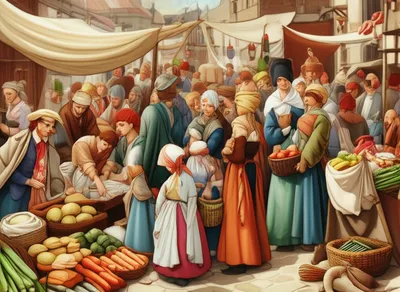
noun🔗Share大衆, 庶民(collective) The common people."The politician appealed to the vulgar, promising tax cuts for everyone. "その政治家は大衆に訴え、全員に減税を約束した。grouppersonsocietycultureChat with AIVocabulary GamePractice Reading
noun🔗Share俗語, 共通語The vernacular tongue or common language of a country."The teacher encouraged the students to use proper English, not just the vulgar of their neighborhood. "先生は生徒たちに、近所の俗語ではなく、正しい英語を使うように勧めました。languageChat with AIVocabulary GamePractice Reading
adjective🔗Share下品な, 卑猥な, 露骨なDebased, uncouth, distasteful, obscene."The construction worker made a vulgar suggestion to the girls walking down the street."建設作業員は、通りを歩いていた女の子たちに下品な提案をした。stylelanguageculturecharactermoralChat with AIVocabulary GamePractice Reading
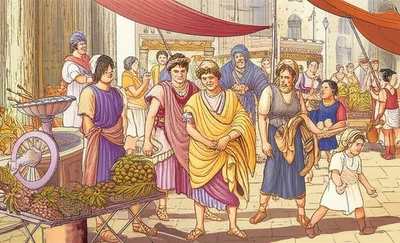
adjective🔗Share一般の, 大衆の(classical sense) Having to do with ordinary, common people."The scholar studied the development of the vulgar Latin spoken by common Roman soldiers and merchants, which eventually evolved into the Romance languages. "学者は、一般のローマ兵士や商人が話していた大衆ラテン語の発達を研究し、それが最終的にロマンス語に発展しました。societyculturehumanChat with AIVocabulary GamePractice Reading
adjective🔗Share一般的, ありふれたCommon, usual; of the typical kind."In older novels, you might find descriptions of a "vulgar error" meaning a common mistake. "古い小説では、「ありふれた誤り」の説明が見つかることがあり、これは一般的な間違いを意味します。languagestylequalitysocietyChat with AIVocabulary GamePractice Reading