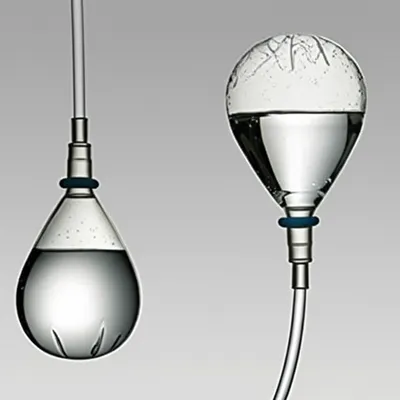
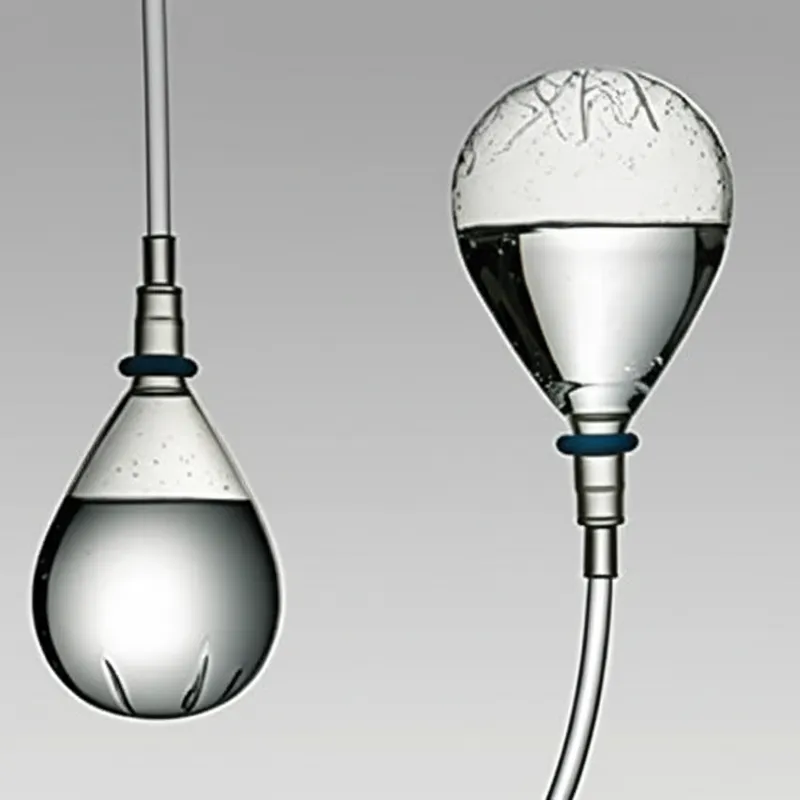
noun 다운로드 🔗공유 방광 A flexible sac that can expand and contract and that holds liquids or gases. Examples : ""Many fish use their bladders to control their buoyancy in the water." " 많은 물고기들은 물 속에서 부력을 조절하기 위해 방광을 사용한다. anatomy organ physiology body AI와 채팅어휘 게임독해 연습
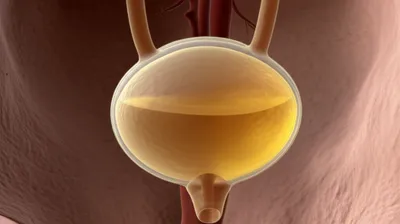
noun 다운로드 🔗공유 방광 Specifically, the urinary bladder. Examples : ""The doctor checked her bladders to make sure they were functioning properly." " 의사는 방광이 제대로 기능하는지 확인하기 위해 검사했습니다. anatomy organ body physiology medicine AI와 채팅어휘 게임독해 연습
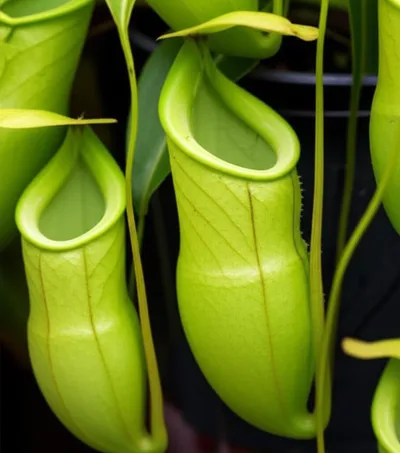
noun 다운로드 🔗공유 낭포 A hollow, inflatable organ of a plant. Examples : "The aquatic plant had tiny, air-filled bladders that helped it float on the surface of the pond. " 수생 식물은 연못 표면에 떠다니도록 돕는 작고 공기로 채워진 낭포를 가지고 있었다. biology plant organ AI와 채팅어휘 게임독해 연습
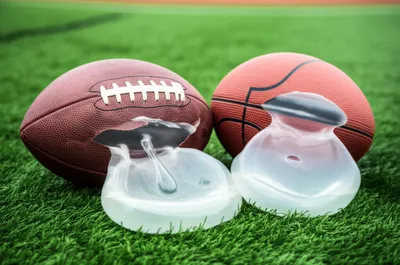
noun 다운로드 🔗공유 블래더 The inflatable bag inside various balls used in sports, such as footballs and rugby balls. Examples : "The coach checked the pressure in the footballs' bladders before practice to make sure they were properly inflated. " 코치는 연습 전에 축구공의 블래더의 압력을 확인하여 제대로 부풀려졌는지 확인했습니다. sport part item AI와 채팅어휘 게임독해 연습
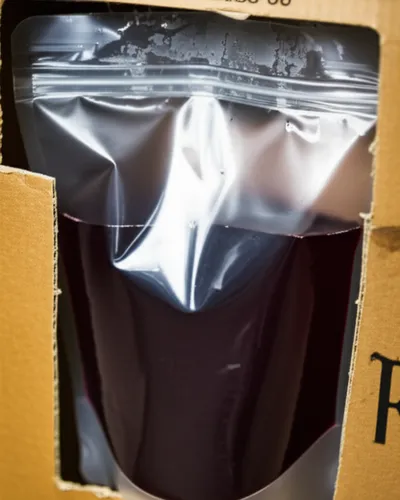
noun 다운로드 🔗공유 와인 백 A sealed plastic bag that contains wine and is usually packaged in a cask. Examples : "The campsite sold cheap wine in large casks, each containing two bladders to keep the wine fresh. " 캠프장은 와인을 신선하게 유지하기 위해 각 두 개의 와인 백이 들어 있는 대형 통에 든 저렴한 와인을 판매했습니다. drink item utensil AI와 채팅어휘 게임독해 연습
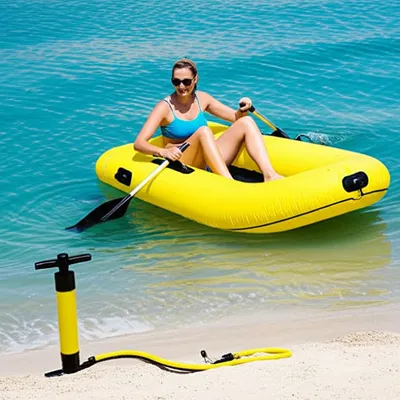
noun 다운로드 🔗공유 방광, 물집 Anything inflated, empty, or unsound. Examples : "The old inflatable pool toys, stored in the shed all winter, were just deflated bladders of plastic when we tried to use them this summer. " 겨울 내내 창고에 보관했던 오래된 팽창식 수영장 장난감은 이번 여름에 사용하려고 했을 때 그냥 바람 빠진 플라스틱 물집이었습니다. body anatomy organ AI와 채팅어휘 게임독해 연습