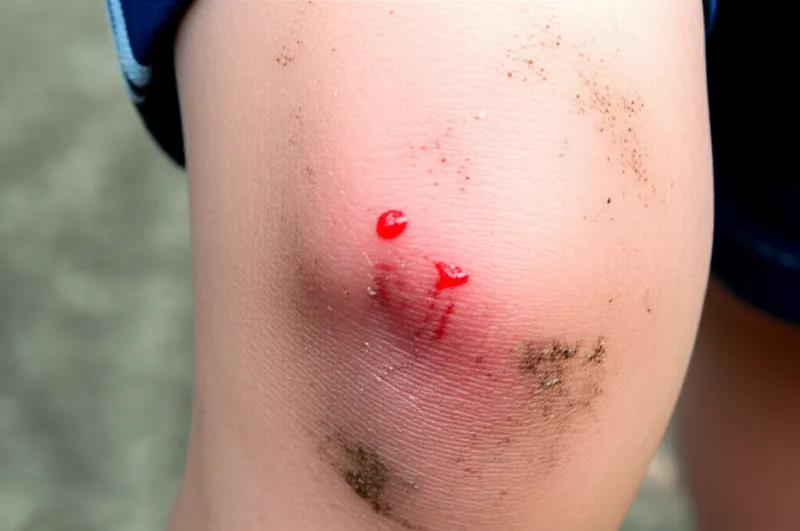

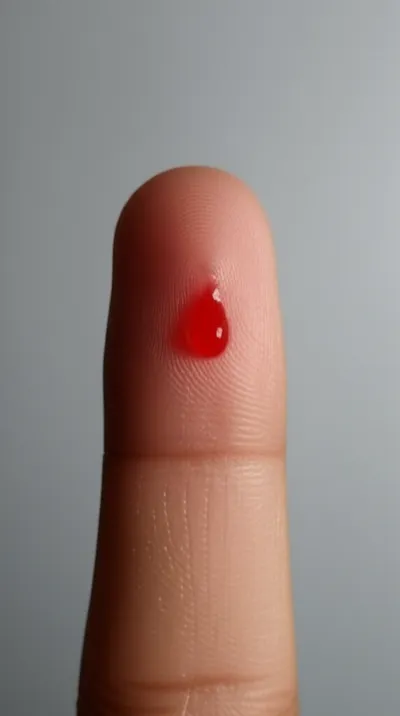











verb🔗Share피를 흘리다(of a person or animal) To lose blood through an injured blood vessel."If her nose bleeds, try to use ice."코피가 나면 얼음을 사용해 보세요.medicinephysiologybodyanimalhumanorganismChat with AIVocabulary GamePractice Reading
verb🔗Share피를 흘리다To let or draw blood from."The doctor will bleed the patient to reduce the pressure in their veins. "의사는 환자의 정맥의 압력을 줄이기 위해 피를 뽑을 것입니다.medicinephysiologybodyChat with AIVocabulary GamePractice Reading
verb🔗Share착취하다, 뜯어내다To take large amounts of money from."The company was bleeding money because of poor sales. "회사는 저조한 판매로 인해 돈을 뜯기고 있었다.businesseconomyfinanceChat with AIVocabulary GamePractice Reading
verb🔗Share출혈하다To steadily lose (something vital)."The company was bleeding talent."그 회사는 인재를 잃고 있었다.physiologybodyChat with AIVocabulary GamePractice Reading
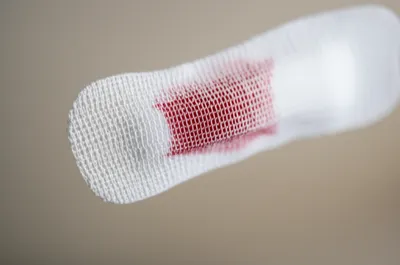
verb🔗Share번지다, 스며들다(of an ink or dye) To spread from the intended location and stain the surrounding cloth or paper."Ink traps counteract bleeding."잉크 트랩은 번짐을 방지합니다.materialstationeryChat with AIVocabulary GamePractice Reading
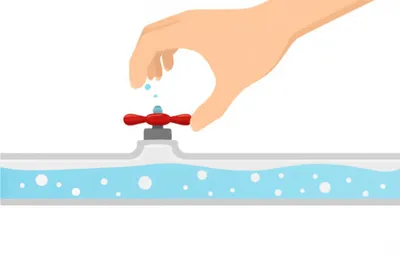
verb🔗Share공기를 빼다To remove air bubbles from a pipe containing other fluids."The technician needed to bleed the water pipes to remove the trapped air before installing the new faucet. "기술자는 새 수도꼭지를 설치하기 전에 갇힌 공기를 제거하기 위해 수도관의 공기를 빼야 했습니다.technicalmachineutilitydeviceChat with AIVocabulary GamePractice Reading
verb🔗Share피를 흘리게 하다, 출혈시키다To bleed on; to make bloody."The knife accident bled the child's arm. "칼 사고로 아이의 팔에 피가 났다.medicinephysiologybodyChat with AIVocabulary GamePractice Reading
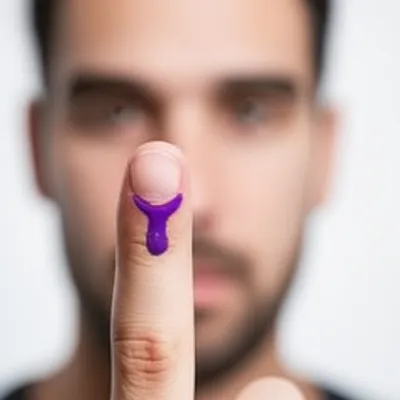
verb🔗Share피에 (관련된 색상)을 보여줌으로써 자신의 그룹에 대한 충성심을 보여주다To show one's group loyalty by showing (its associated color) in one's blood."He was a devoted Vikings fan: he bled purple."그는 열렬한 바이킹스 팬이었다: 그는 보라색을 보였다.culturegrouppoliticsheraldryChat with AIVocabulary GamePractice Reading
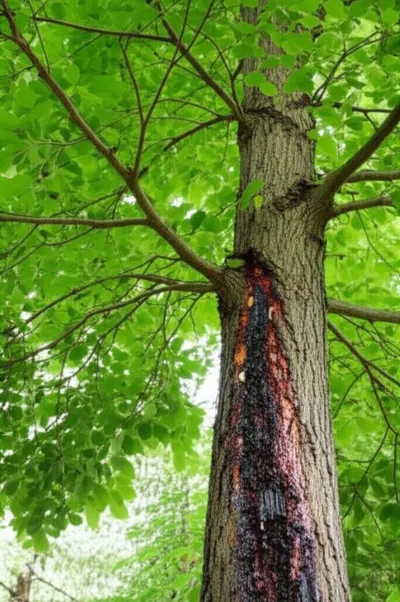
verb🔗Share수액, 검, 또는 즙을 잃다To lose sap, gum, or juice."A tree or a vine bleeds when tapped or wounded."나무나 덩굴은 두드리거나 상처를 입으면 수액을 잃는다.plantnaturebiologyChat with AIVocabulary GamePractice Reading
verb🔗Share피를 흘리다To issue forth, or drop, like blood from an incision."The knife accidentally slipped, and the cook's finger bleeding profusely. "칼이 실수로 미끄러져 요리사의 손가락에서 피가 많이 났습니다.medicinephysiologybodyChat with AIVocabulary GamePractice Reading
verb🔗Share환경을 파괴하다(of a phonological rule) To destroy the environment where another phonological rule would have applied."Labialization bleeds palatalization."순음화는 구개음화의 환경을 파괴한다.linguisticsphoneticsChat with AIVocabulary GamePractice Reading
noun🔗Share출혈The flow or loss of blood from a damaged blood vessel."Internal bleeding is often difficult to detect and can lead to death in a short time."내부 출혈은 감지하기 어려울 때가 많으며 단시간 내에 사망으로 이어질 수 있습니다.medicinephysiologyanatomybodyconditiondiseaseChat with AIVocabulary GamePractice Reading
noun🔗Share출혈Bloodletting."The doctor performed a bloodletting, and the patient felt much better afterward. "의사는 출혈을 시행했고, 환자는 그 후에 훨씬 더 좋아졌다.medicinephysiologybodyChat with AIVocabulary GamePractice Reading
adjective🔗Share출혈하는Losing blood"The bleeding wound needed immediate attention. "출혈하는 상처는 즉시 치료가 필요했다.medicinephysiologybodyChat with AIVocabulary GamePractice Reading
adjective🔗Share극심한, 완전한(intensifier) extreme, outright; see also bloody (sense 3).""You are a bleeding liar. Truth is of no interest to you at all." — http//groups-beta.google.com/group/comp.software.year-2000/msg/ba82c9dd28cde368"당신은 극심한 거짓말쟁이입니다. 당신은 진실에 전혀 관심이 없습니다.emotionlanguageChat with AIVocabulary GamePractice Reading
adverb🔗Share극도로, 매우Used as an intensifier: Extremely."The teacher was bleeding frustrated with the students' constant interruptions. "선생님은 학생들의 끊임없는 방해에 극도로 좌절했다.languagewordChat with AIVocabulary GamePractice Reading