

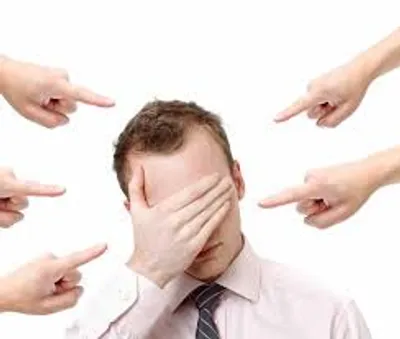



noun🔗Share비난, 책망Censure."Blame came from all directions."비난이 모든 방향에서 쏟아졌다.guiltactionattitudenegativemoralessentialChat with AIVocabulary GamePractice Reading
noun🔗Share책임, 비난Culpability for something negative or undesirable."The blame for starting the fire lies with the arsonist."화재를 낸 책임은 방화범에게 있다.guiltactioncharactermoralnegativeessentialChat with AIVocabulary GamePractice Reading
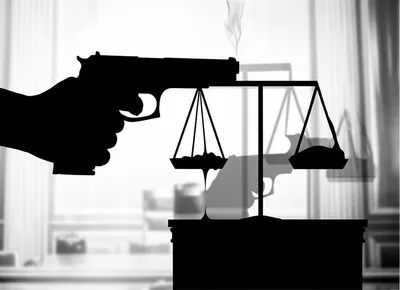
noun🔗Share책임, 비난Responsibility for something meriting censure."They accepted the blame, but it was an accident."그들은 책임을 인정했지만, 그것은 사고였다.guiltmoralcharacteractionattitudetendencyessentialChat with AIVocabulary GamePractice Reading
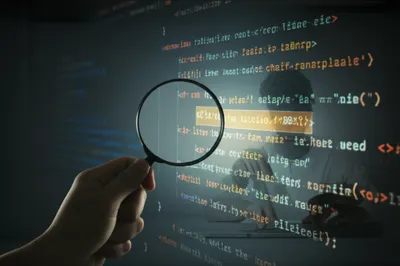
noun🔗Share비난, 책임A source control feature that can show which user was responsible for a particular portion of the source code."The blame for the missing assignment was clear from the source code blame: Sarah had last edited the file. "누락된 과제의 책임은 소스 코드 비난에서 명확했습니다. 사라가 마지막으로 파일을 편집했습니다.computingtechnicalinternettechnologysystemessentialChat with AIVocabulary GamePractice Reading
verb🔗Share비난하다, 나무라다To censure (someone or something); to criticize."The teacher blamed the student for the noisy classroom. "선생님은 시끄러운 교실 때문에 학생을 비난했다.attitudecommunicationhumansocietymoralcharacteremotionessentialChat with AIVocabulary GamePractice Reading
verb🔗Share비난하다, 나무라다To bring into disrepute."The teacher's poor explanations blamed the students' low test scores. "교사의 형편없는 설명은 학생들의 낮은 시험 점수를 비난했다.guiltactionmoralcharacterattitudeemotionessentialChat with AIVocabulary GamePractice Reading
verb🔗Share비난하다, 탓하다(usually followed by "for") To assert or consider that someone is the cause of something negative; to place blame, to attribute responsibility (for something negative or for doing something negative)."The arsonist was blamed for the fire."방화범은 화재의 원인으로 비난받았다.actionmoralattitudesocietyhumanguiltnegativecommunicationvaluestatementessentialChat with AIVocabulary GamePractice Reading