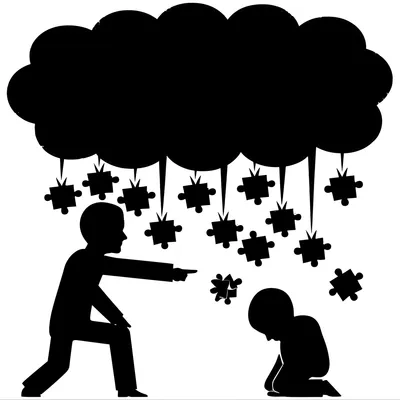
verb 다운로드 🔗공유 비난하다, 나무라다 To censure (someone or something); to criticize. Examples : "The teacher blamed the students for the messy classroom. " 선생님은 지저분한 교실 때문에 학생들을 비난했다. communication attitude emotion moral action value statement society AI와 채팅어휘 게임독해 연습
verb 다운로드 🔗공유 비난하다, 나무라다 To bring into disrepute. Examples : "The teacher's poor handling of the class project blamed the entire group, making them look incompetent to the other students. " 교사의 수업 프로젝트 처리 미숙으로 인해 전체 그룹이 비난을 받았고, 다른 학생들에게 무능해 보이게 만들었다. guilt moral character attitude AI와 채팅어휘 게임독해 연습
verb 다운로드 🔗공유 비난했다, 탓했다 (usually followed by "for") To assert or consider that someone is the cause of something negative; to place blame, to attribute responsibility (for something negative or for doing something negative). Examples : "The arsonist was blamed for the fire." 방화범은 화재의 원인으로 비난받았다. action situation event moral guilt negative attitude communication law politics society state human person organization AI와 채팅어휘 게임독해 연습
adjective 다운로드 🔗공유 버려진, 저주받은 God-forsaken. Examples : "Context: The word “blamed” as a descriptor to signify "God-forsaken" is often used to describe unpleasant or difficult situations. Sentence: This blamed computer keeps crashing right before I save my work. " 이 버려진 컴퓨터는 내가 작업을 저장하기 직전에 계속 멈춘다. religion theology curse soul AI와 채팅어휘 게임독해 연습
adjective 다운로드 🔗공유 저주받은 Variant of profane damn. Examples : "His damned cards are scattered!" 그의 저주받은 카드가 흩어져 있다! curse language exclamation AI와 채팅어휘 게임독해 연습