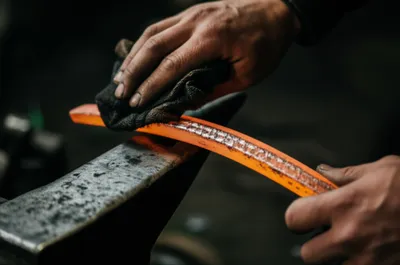
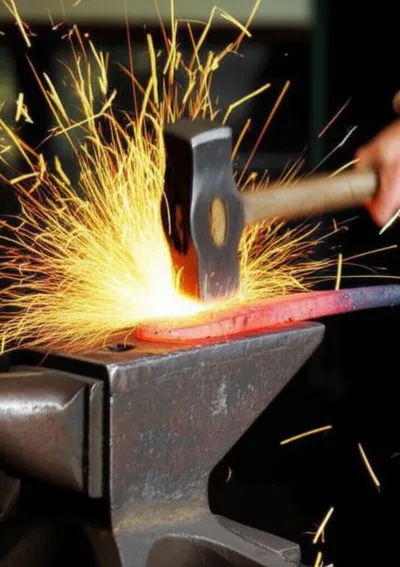
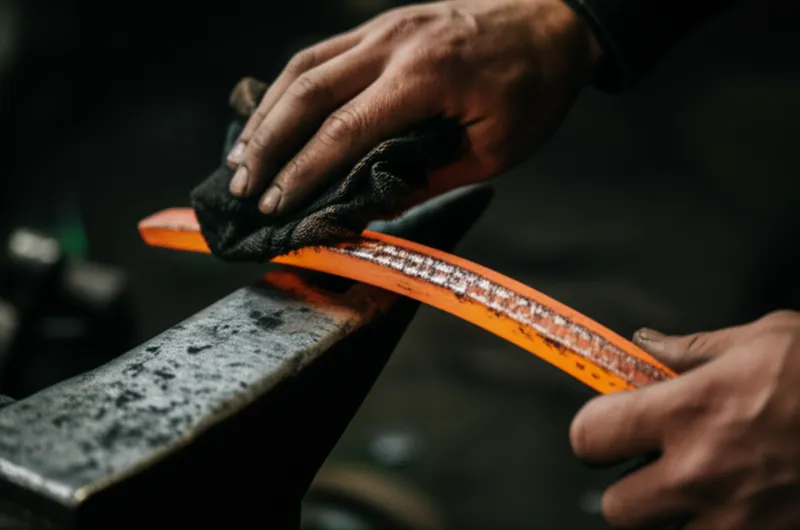
verb 다운로드 🔗공유 광을 내다, 윤을 내다 To make smooth or shiny by rubbing; to polish; to shine. Examples : "In pottery, a stone is sometimes used to burnish a pot before firing, giving it a smooth, shiny look." 도자기 제작에서, 돌은 때때로 굽기 전에 항아리를 광을 내는 데 사용되어 매끄럽고 윤이 나는 모습을 줍니다. appearance material style AI와 채팅어휘 게임독해 연습
verb 다운로드 🔗공유 광택을 내다, 윤이 나다 To shine forth; to brighten; to become smooth and glossy, as from swelling or filling out; hence, to grow large. Examples : "After a week of rain, the apple, still hanging on the tree, burnished under the afternoon sun, becoming rounder and redder. " 일주일간의 비가 내린 후, 여전히 나무에 매달려 있던 사과는 오후 햇살 아래에서 윤이 나며 더욱 둥글고 붉게 변했다. appearance action AI와 채팅어휘 게임독해 연습
verb 다운로드 🔗공유 빛내다, 돋보이게 하다 (metaphoric) To make appear positive and highly respected. Examples : "The charity organization hired a skilled public relations team to burnish its image after facing accusations of mismanaging donations. " 자선 단체는 기부금 관리 부실 혐의에 직면한 후 이미지를 돋보이게 하기 위해 숙련된 홍보팀을 고용했습니다. appearance value attitude AI와 채팅어휘 게임독해 연습
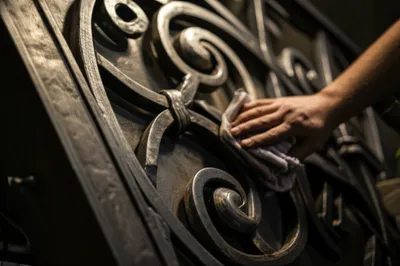
adjective 다운로드 🔗공유 광택이 나는, 윤이 나는 Polished, made shiny by rubbing (especially with a burnisher). Examples : "The old brass doorknob was burnished, reflecting the sunlight with a warm glow. " 오래된 놋쇠 문 손잡이는 광택이 나서 햇빛을 따뜻한 빛으로 반사했다. appearance style material AI와 채팅어휘 게임독해 연습
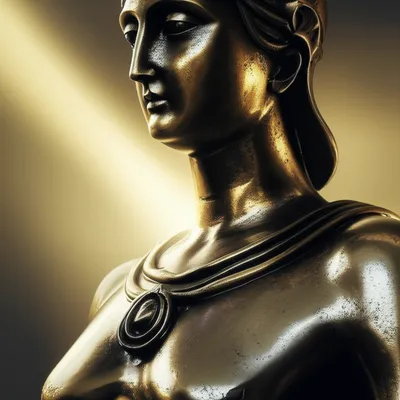
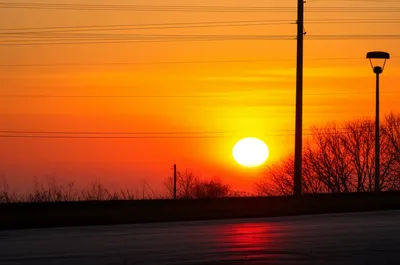
adjective 다운로드 🔗공유 빛나는, 타는 듯한 Blazing, bright. Examples : "The sun beat down, making the metal of the school's roof a burnished gold. " 태양이 내리쬐어 학교 지붕의 금속을 빛나는 금색으로 만들었다. appearance color AI와 채팅어휘 게임독해 연습