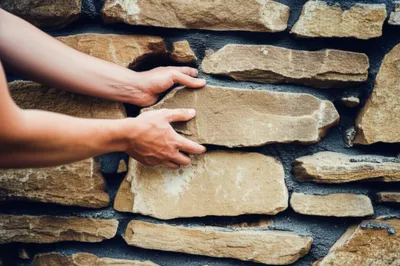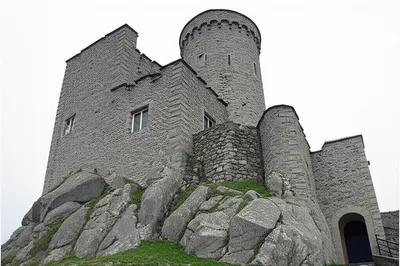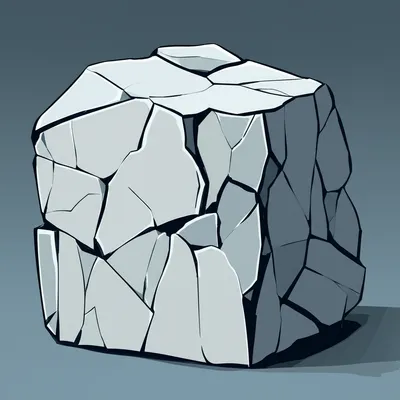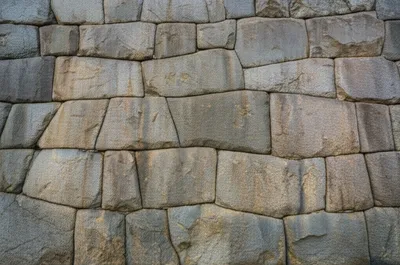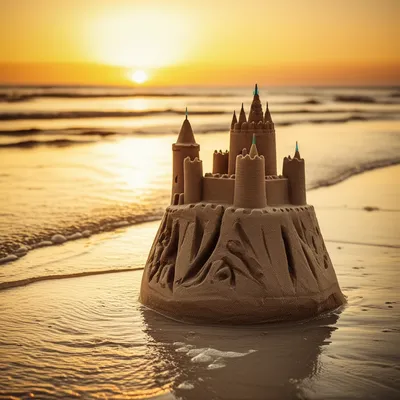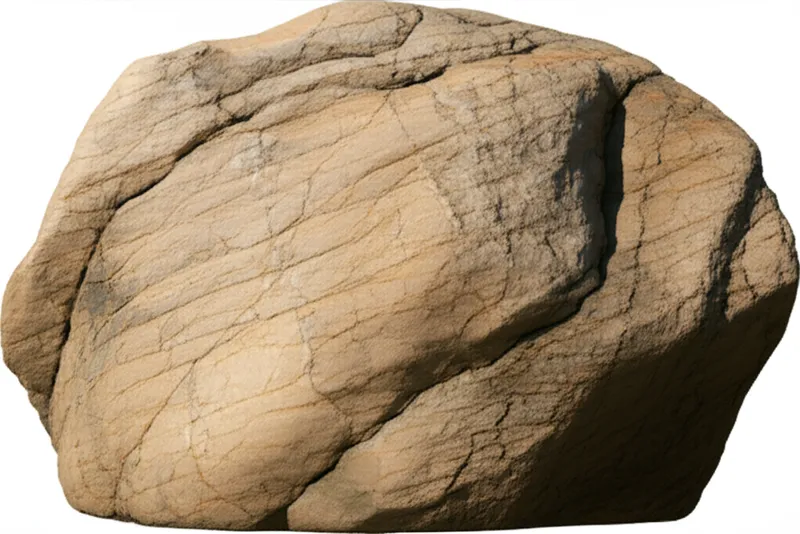


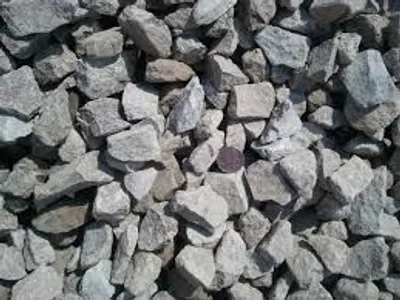
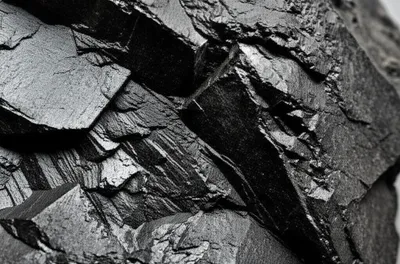

noun🔗Share돌A hard earthen substance that can form large rocks."The old stone wall around the park was very tall. "공원 주변의 오래된 돌담은 매우 높았다.materialgeologysubstancebuildingessentialChat with AIVocabulary GamePractice Reading
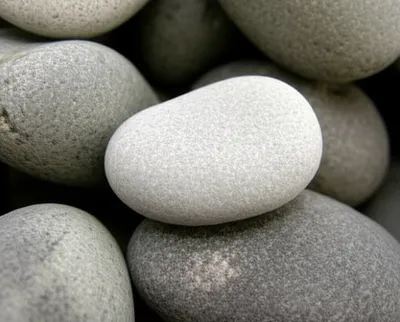
noun🔗Share돌, 조약돌A small piece of stone, a pebble."The child carefully collected small stones, pebbles, on the way home from school. "아이는 학교에서 집으로 가는 길에 작은 돌, 조약돌을 조심스럽게 모았다.geologymaterialnatureessentialChat with AIVocabulary GamePractice Reading
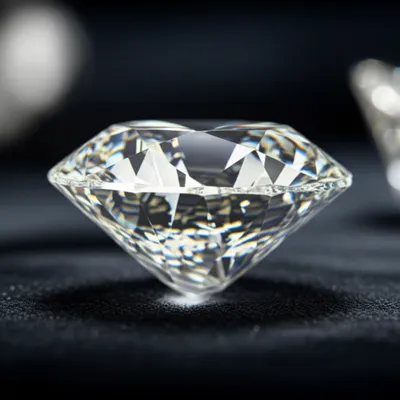
noun🔗Share보석, 귀금속A gemstone, a jewel, especially a diamond."My grandmother's ring has a beautiful stone; it's a real diamond. "할머니의 반지는 아름다운 보석을 가지고 있는데, 진짜 다이아몬드예요.mineralmaterialessentialChat with AIVocabulary GamePractice Reading
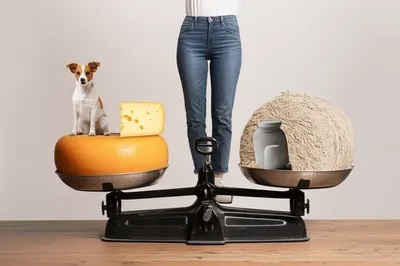
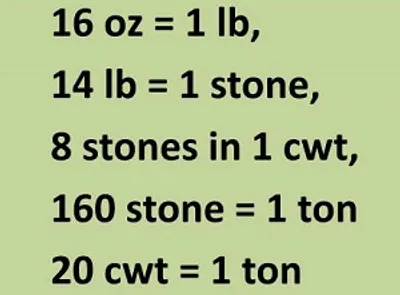
noun🔗Share스톤 (무게 단위)(plural: stone) A unit of mass equal to 14 pounds. Used to measure the weights of people, animals, cheese, wool, etc. 1 stone ≈ 6.3503 kilograms"My grandfather weighed 12 stone. "할아버지는 12스톤이셨다.massunitessentialChat with AIVocabulary GamePractice Reading
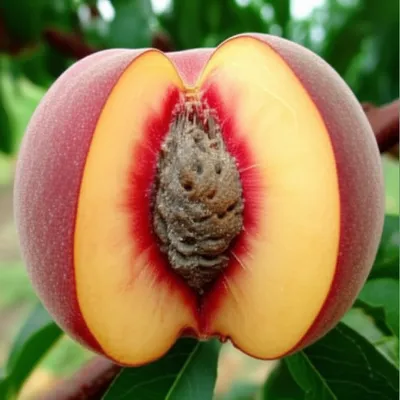
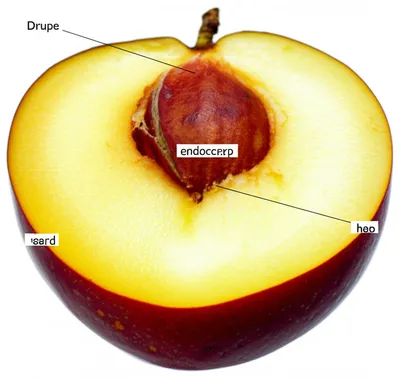
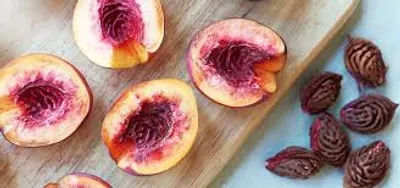
noun🔗Share씨The central part of some fruits, particularly drupes; consisting of the seed and a hard endocarp layer."a peach stone"복숭아 씨fruitpartseedplantessentialChat with AIVocabulary GamePractice Reading
noun🔗Share돌A hard, stone-like deposit."kidney stone"신장 결석medicinephysiologysubstanceessentialChat with AIVocabulary GamePractice Reading
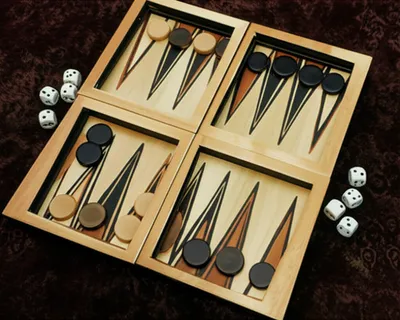
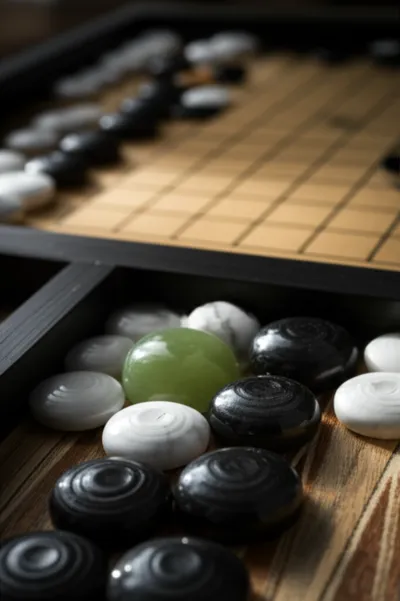
noun🔗Share장기알A playing piece made of any hard material, used in various board games such as backgammon, and go."My grandfather used his special stone in the backgammon game. "할아버지는 백개먼 게임에서 특별한 장기알을 사용하셨다.gamematerialitemessentialChat with AIVocabulary GamePractice Reading
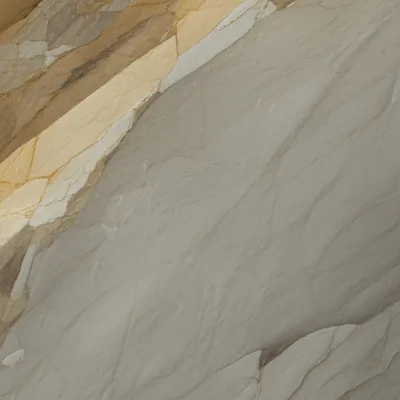
noun🔗Share돌색A dull light grey or beige, like that of some stones."The old stone house had a dull, light gray exterior, typical of many older buildings in the area. "오래된 돌집은 이 지역의 많은 오래된 건물에서 흔히 볼 수 있는 칙칙하고 밝은 회색 외관을 가지고 있었다.appearancecolormaterialessentialChat with AIVocabulary GamePractice Reading
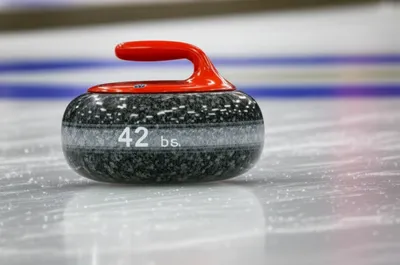
noun🔗Share스톤A 42-pound, precisely shaped piece of granite with a handle attached, which is bowled down the ice."The curler carefully placed the stone on the ice and then bowled it towards the target. "컬링 선수는 스톤을 조심스럽게 얼음 위에 놓고 목표를 향해 던졌다.sportmaterialessentialChat with AIVocabulary GamePractice Reading
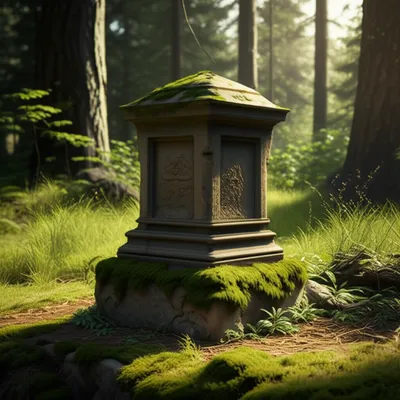
noun🔗Share묘비, 비석A monument to the dead; a gravestone or tombstone."The old stone marked the spot where her grandfather was buried. "오래된 묘비는 그녀의 할아버지가 묻힌 곳을 표시했다.architecturehistoryreligioncultureessentialChat with AIVocabulary GamePractice Reading
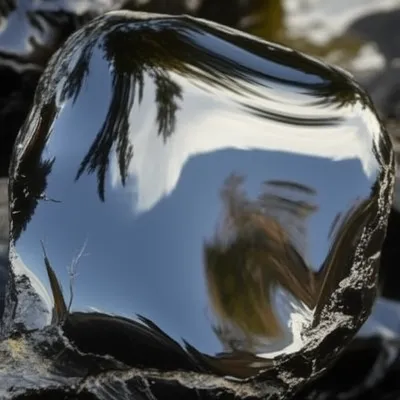
noun🔗Share거울, 유리A mirror, or its glass."The antique shop owner polished the old stone, admiring its smooth surface. "골동품 가게 주인은 오래된 거울을 닦으며 매끄러운 표면을 감상했다.materialsubstanceessentialChat with AIVocabulary GamePractice Reading
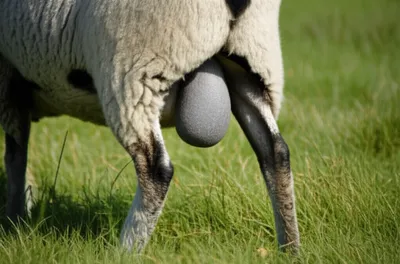
noun🔗Share고환A testicle of an animal."The veterinarian examined the bull's stone to check its health. "수의사는 황소의 고환을 검사하여 건강 상태를 확인했다.anatomyorgananimalbodysexessentialChat with AIVocabulary GamePractice Reading
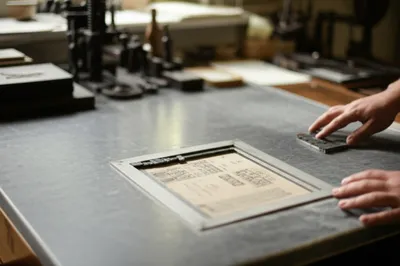
noun🔗Share활판대A stand or table with a smooth, flat top of stone, commonly marble, on which to arrange the pages of a book, newspaper, etc. before printing; also called imposing stone."The printer carefully placed the manuscript on the imposing stone before setting the type. "인쇄공은 활자를 놓기 전에 원고를 조심스럽게 활판대에 올려놓았다.materialtechnologymachineindustryessentialChat with AIVocabulary GamePractice Reading
verb🔗Share돌을 던지다To pelt with stones, especially to kill by pelting with stones."She got stoned to death after they found her."그녀를 발견한 후, 그녀는 돌을 맞아 죽었다.actionlawreligionritualwaressentialChat with AIVocabulary GamePractice Reading
verb🔗Share돌로 쌓다To wall with stones."The schoolyard was stone-walled to prevent students from wandering into the park. "학생들이 공원으로 들어가는 것을 막기 위해 학교 운동장은 돌로 담을 쌓았다.architecturebuildingessentialChat with AIVocabulary GamePractice Reading
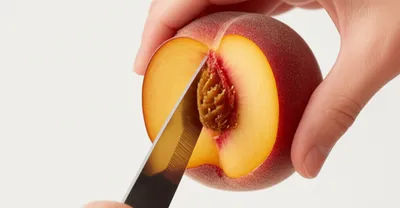
verb🔗Share씨를 빼다To remove a stone from (fruit etc.)."Before eating the peach, I needed to stone it. "복숭아를 먹기 전에 씨를 빼야 했다.fruitfoodagricultureessentialChat with AIVocabulary GamePractice Reading
verb🔗Share핵이 생기다To form a stone during growth, with reference to fruit etc."The plum tree's fruit began to stone as it ripened. "자두나무의 열매는 익으면서 핵이 생기기 시작했다.fruitplantbiologyessentialChat with AIVocabulary GamePractice Reading
verb🔗Share취하게 하다, 마취시키다To intoxicate, especially with narcotics. (Usually in passive)"The student was stoned at the party, and couldn't focus on his homework the next day. "그 학생은 파티에서 취해 있었고, 다음 날 숙제에 집중할 수 없었다.medicinesubstancemindsensationessentialChat with AIVocabulary GamePractice Reading
verb🔗Share멍하니 있다, 멍 때리다To do nothing, to stare blankly into space and not pay attention when relaxing or when bored."During the long, boring meeting, Sarah just sat there, stone-faced and stone. "길고 지루한 회의 동안, 사라 는 멍한 표정으로 멍하니 앉아 있었다.mindactionhumanattitudeessentialChat with AIVocabulary GamePractice Reading
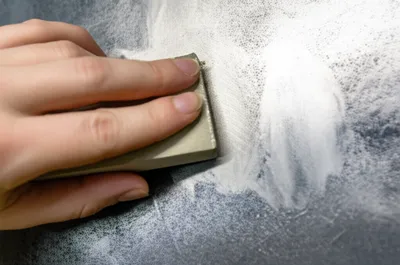
verb🔗Share숫돌로 갈다, 연마하다To lap with an abrasive stone to remove surface irregularities."To prepare the wood for the new tabletop, the carpenter stoned the surface. "새 테이블 상판을 위해 나무를 준비하기 위해, 목수는 표면을 숫돌로 갈았다.materialtechnicalprocessessentialChat with AIVocabulary GamePractice Reading
adjective🔗Share돌의Constructed of stone."stone walls"돌 벽materialbuildingessentialChat with AIVocabulary GamePractice Reading
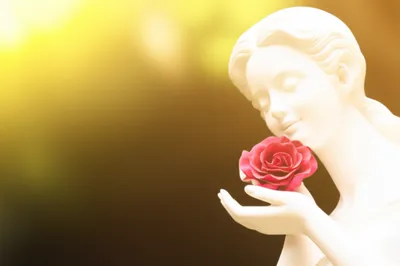
adjective🔗Share돌의, 돌 같은Having the appearance of stone."stone pot"돌 냄비appearancematerialessentialChat with AIVocabulary GamePractice Reading
adjective🔗Share돌색의, 잿빛의Of a dull light grey or beige, like that of some stones."The old stone walls of the schoolyard were a dull, stone color. "학교 운동장의 오래된 돌색 벽은 칙칙한 돌색이었다.appearancecoloressentialChat with AIVocabulary GamePractice Reading
adjective🔗Share돌 같은, 매우Used as an intensifier."She is one stone fox."그녀는 돌 같은 여우다.languagegrammaressentialChat with AIVocabulary GamePractice Reading
adjective🔗Share성적으로 흥분한Willing to give sexual pleasure but not to receive it."stone butch; stone femme"성적으로 흥분한 부치; 성적으로 흥분한 팜므sexattitudehumanessentialChat with AIVocabulary GamePractice Reading
adverb🔗Share돌처럼As a stone (used with following adjective)."My father is stone deaf. This soup is stone cold."우리 아버지는 귀가 먹었습니다. 이 수프는 돌처럼 차갑습니다.materialessentialChat with AIVocabulary GamePractice Reading
adverb🔗Share완전히, 아주Absolutely, completely (used with following adjectives)."I said the medication made my vision temporarily blurry, it did not make me stone blind."나는 약이 내 시야를 일시적으로 흐리게 만들었다고 말했지, 나를 완전히 눈멀게 한 것은 아니라고.languagewordessentialChat with AIVocabulary GamePractice Reading