





noun🔗Share원주민An aboriginal inhabitant of a region colonized by English-speaking people; in particular:"The native student explained the customs of her home village to the class. "원주민 학생은 학급에 고향 마을의 관습을 설명했다.personracenationhistorycultureessentialChat with AIVocabulary GamePractice Reading
adjective🔗Share원주민Aboriginal inhabitant of a region colonized by English-speaking people; in particular:"The school's new student council president is a native of this town. "학교의 새로운 학생회장은 이 마을의 원주민입니다.racehistorynationculturesocietypersonessentialChat with AIVocabulary GamePractice Reading
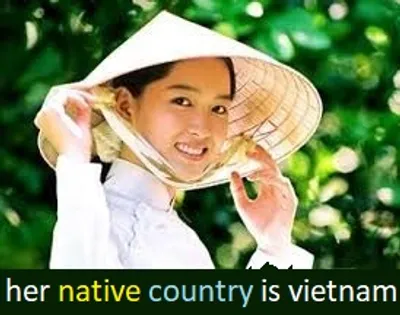
noun🔗Share원주민, 토착민A person who is native to a place; a person who was born in a place."My neighbor, a native of France, often talks about her childhood experiences in Paris. "프랑스 출신인 제 이웃은 종종 파리에서의 어린 시절 경험에 대해 이야기합니다.personplacehistorynationessentialChat with AIVocabulary GamePractice Reading
noun🔗Share원어민A native speaker."The native of the town gave a presentation about local history at school. "그 마을의 원어민이 학교에서 지역 역사에 대한 발표를 했다.languagepersoncultureessentialChat with AIVocabulary GamePractice Reading
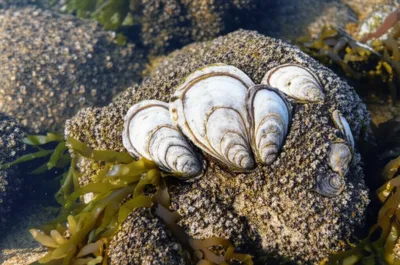
noun🔗Share굴Ostrea edulis, a kind of oyster."The restaurant's special dish featured fresh native oysters. "그 식당의 특별 요리는 신선한 굴을 특징으로 했습니다.foodanimalbiologyorganismfishessentialChat with AIVocabulary GamePractice Reading
adjective🔗Share출생의, 토착의Belonging to one by birth."English is not my native language."영어는 나의 모국어가 아닙니다.familypersonnaturecultureracelanguagehistorynationessentialChat with AIVocabulary GamePractice Reading
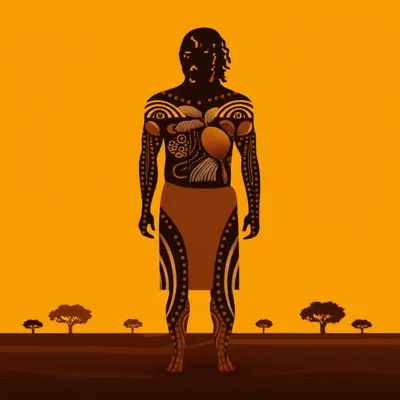
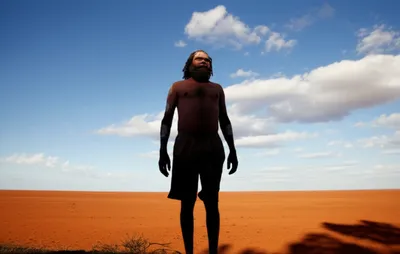
adjective🔗Share토착의, 원주민의Characteristic of or relating to people inhabiting a region from prehistoric times."The native peoples of Australia are called aborigines."호주의 원주민들은 원주민이라고 불립니다.historycultureracenationgeographyplacesocietytraditionhumanessentialChat with AIVocabulary GamePractice Reading
adjective🔗Share토착의, 원산의Born or grown in the region in which it lives or is found; not foreign or imported."Many native artists studied abroad."많은 토착 예술가들이 해외에서 공부했다.naturebiologyenvironmentplacepersonorganismessentialChat with AIVocabulary GamePractice Reading
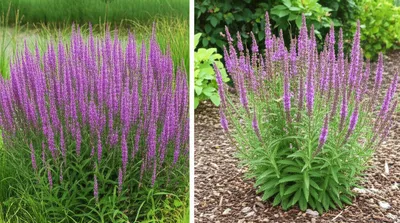
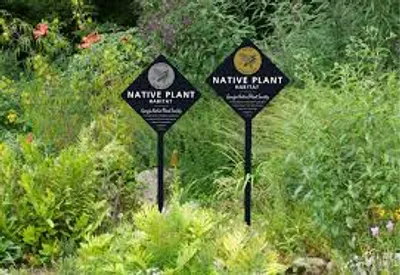
adjective🔗Share토착의, 원산의(of a species) Which occurs of its own accord in a given locality, to be contrasted with a species introduced by man."The naturalized Norway maple often outcompetes the native North American sugar maple."귀화된 노르웨이 단풍나무는 종종 토착 북미산 설탕 단풍나무를 능가한다.environmentbiologynatureecologyplantanimalessentialChat with AIVocabulary GamePractice Reading
adjective🔗Share네이티브의, 해당 시스템의(of software) Pertaining to the system or architecture in question."The native integer size is sixteen bits."네이티브 정수 크기는 16비트입니다.computingtechnologysystemessentialChat with AIVocabulary GamePractice Reading
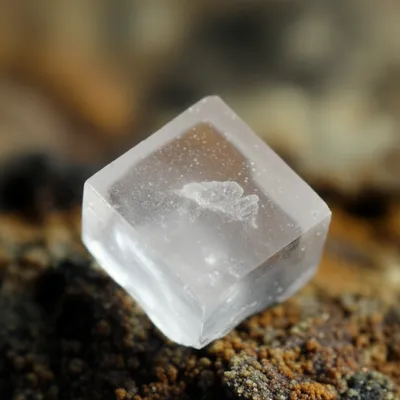
adjective🔗Share순수한, 자연적인Occurring naturally in its pure or uncombined form; native aluminium, native salt."The gold found in the river was native gold, meaning it was not mixed with other minerals. "강에서 발견된 금은 순수한 금이었고, 다른 광물과 섞이지 않았다는 의미였다.naturematerialchemistrygeologyessentialChat with AIVocabulary GamePractice Reading
adjective🔗Share출생의, 토착의Arising by birth; having an origin; born."My grandmother is a native of Ireland. "우리 할머니는 아일랜드 출신입니다.familypersonnationbiologyraceculturehistoryessentialChat with AIVocabulary GamePractice Reading
adjective🔗Share원래의, 토착의Original; constituting the original substance of anything."native dust"원래의 먼지naturesubstancematerialessentialChat with AIVocabulary GamePractice Reading
adjective🔗Share본토의, 관련된Naturally related; cognate; connected (with)."My grandmother's language is a native tongue to the region. "할머니의 언어는 그 지역의 토착어입니다.languagelinguisticsessentialChat with AIVocabulary GamePractice Reading