


noun🔗Share청각 부모에게서 태어난 청인A person born hearing to deaf parents."Maria, a coda, often helps her deaf parents communicate at doctor's appointments. "청각 부모에게서 태어난 마리아는 종종 청각 장애가 있는 부모가 의사 진료를 받을 때 의사소통을 돕습니다.familypersonlanguagecommunicationhumanChat with AIVocabulary GamePractice Reading
noun🔗Share종결부A passage that brings a movement or piece to a conclusion through prolongation."The teacher added a short coda to the lesson, summarizing the key points one last time before dismissal. "선생님은 수업의 종결부에 짧은 종결부를 추가하여, 수업이 끝나기 전에 핵심 내용을 마지막으로 요약했습니다.musicChat with AIVocabulary GamePractice Reading
noun🔗Share음절의 선택적인 마지막 부분으로, 핵 뒤에 위치하며 일반적으로 하나 이상의 자음으로 구성됩니다The optional final part of a syllable, placed after its nucleus, and usually composed of one or more consonants."The word “salts” has three consonants — /l/, /t/, and /s/ — in its coda, whereas the word “glee” has no coda at all."단어 "salts"는 코다에 세 개의 자음 /l/, /t/, /s/를 가지고 있는 반면, 단어 "glee"는 코다가 전혀 없습니다.phoneticslanguagelinguisticsChat with AIVocabulary GamePractice Reading
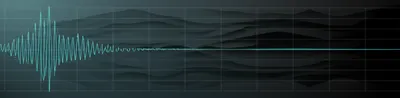
noun🔗Share코다, 지진 발생 후 기준선으로 점차 돌아가는 현상In seismograms, the gradual return to baseline after a seismic event. The length of the coda can be used to estimate event magnitude, and the shape sometimes reveals details of subsurface structures."After the main earthquake waves passed, the seismogram showed a long, fading coda, which scientists used to estimate the quake's overall strength. "주요 지진파가 지나간 후, 지진계는 과학자들이 지진의 전체 강도를 추정하는 데 사용한 길고 희미해지는 코다를 보여주었다.geologyphysicsphenomenaeventstructurenaturescienceChat with AIVocabulary GamePractice Reading
noun🔗Share결론, 종결부A conclusion (of a statement or event, for example), final portion, tail end."After a long and emotional debate about the school budget, the principal offered a short coda summarizing the key points. "학교 예산에 대한 길고 감정적인 토론 후, 교장은 핵심 사항을 요약하는 짧은 결론을 제시했다.partmusicliteratureeventstoryoutcomelanguageChat with AIVocabulary GamePractice Reading