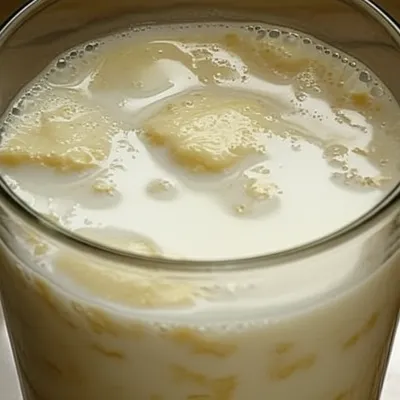
verb 다운로드 🔗공유 응고되다, 엉기다 To form curds so that it no longer flows smoothly; to cause to form such curds. (usually said of milk) Examples : "Too much lemon will curdle the milk in your tea." 너무 많은 레몬은 차 속의 우유를 응고시킬 것입니다. food chemistry substance process AI와 채팅어휘 게임독해 연습
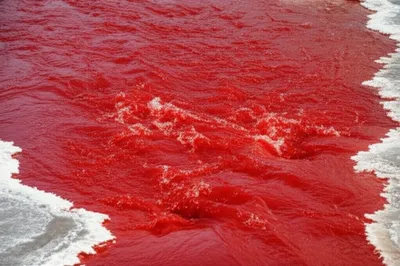
verb 다운로드 🔗공유 응고하다, 엉기다 To clot or coagulate; to cause to congeal, such as through cold. (metaphorically of blood) Examples : "The milk in the refrigerator had curdled and smelled sour. " 냉장고 안의 우유가 응고되어 시큼한 냄새가 났다. food chemistry biology substance physiology AI와 채팅어휘 게임독해 연습
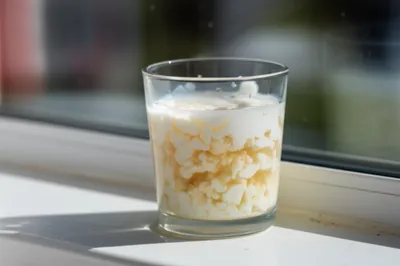
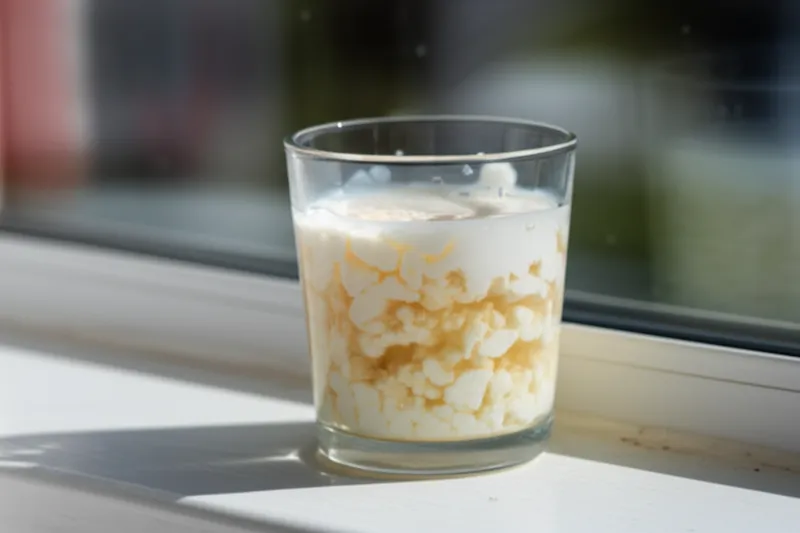
verb 다운로드 🔗공유 응고되다, 엉기다 To cause a liquid to spoil and form clumps so that it no longer flows smoothly Examples : "The milk curdled in the hot sun and became lumpy. " 우유는 뜨거운 햇볕에 응고되어 덩어리가 되었다. food substance process chemistry AI와 채팅어휘 게임독해 연습
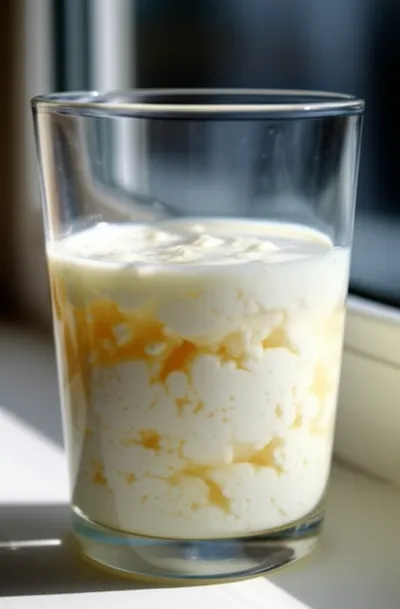
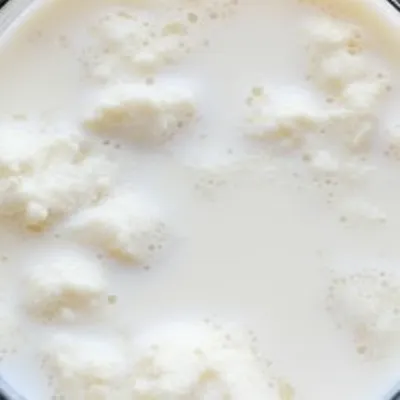
adjective 다운로드 🔗공유 응고된, 엉긴 Containing curds. Examples : "The spoiled milk had a curdled appearance with visible lumps. " 상한 우유는 눈에 보이는 덩어리와 함께 엉긴 모습을 보였다. food substance condition AI와 채팅어휘 게임독해 연습
adjective 다운로드 🔗공유 응고된, 엉긴 Coagulated Examples : "The curdled milk had a lumpy texture and smelled sour. " 응고된 우유는 덩어리진 질감을 가지고 시큼한 냄새가 났다. food chemistry substance AI와 채팅어휘 게임독해 연습