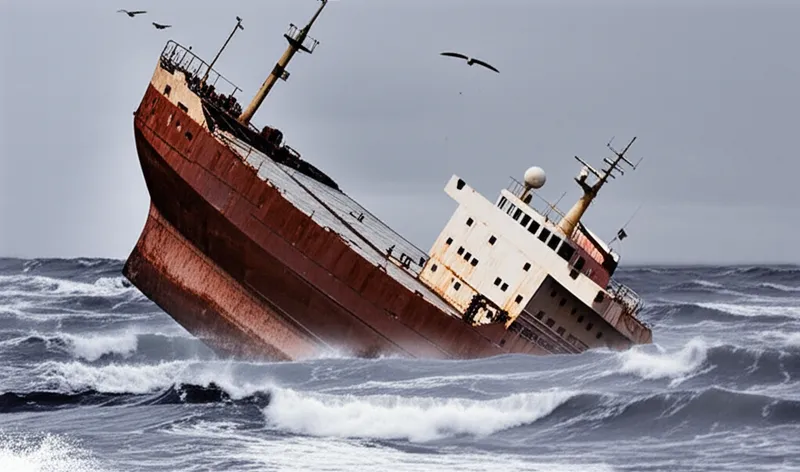

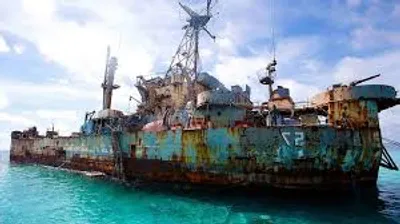


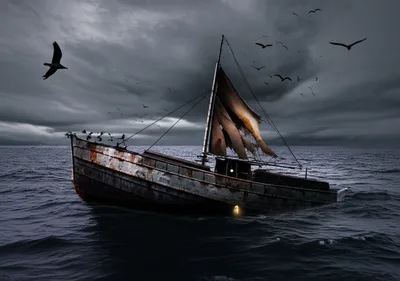

noun🔗Share유기된 재산, 유기선Property abandoned by its former owner, especially a ship abandoned at sea."The derelict sat rotting on the beach, a reminder of the storm that had ravaged the coast. "유기된 배는 해변에서 썩어가며 해안을 휩쓸었던 폭풍을 상기시켰다.propertynauticalsailingbuildingChat with AIVocabulary GamePractice Reading
noun🔗Share버려진 사람, 부랑자An abandoned or forsaken person; an outcast."The neglected child, a complete derelict, was finally taken into foster care. "방치된 아이, 완전한 부랑자는 결국 위탁 보호를 받게 되었다.personcharactersocietyChat with AIVocabulary GamePractice Reading
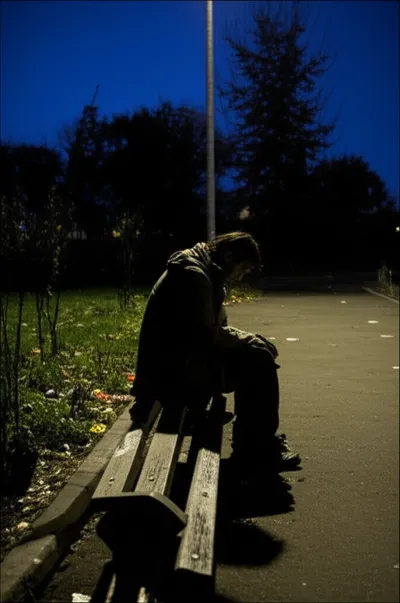
noun🔗Share부랑자, 노숙자A homeless and/or jobless person; a person who is (perceived as) negligent in their personal affairs and hygiene. (This sense is a modern development of the preceding sense.)"The derelict wandered the streets, looking for food and shelter. "부랑자는 음식과 쉼터를 찾아 거리를 헤맸다.personsocietyconditionhumanChat with AIVocabulary GamePractice Reading
adjective🔗Share유기된, 버려진, 방치된Abandoned, forsaken; given up by the natural owner or guardian; (of a ship) abandoned at sea, dilapidated, neglected; (of a spacecraft) abandoned in outer space."There was a derelict ship on the island."섬에는 유기된 배가 있었다.propertynauticalspaceconditionenvironmentChat with AIVocabulary GamePractice Reading
adjective🔗Share직무 태만의, 유기된Negligent in performing a duty."The security guard was considered derelict for sleeping on the job and failing to monitor the building. "경비원은 직무를 소홀히 하고 건물을 감시하지 못한 혐의로 직무 태만으로 여겨졌다.moralattitudecharacterjobChat with AIVocabulary GamePractice Reading
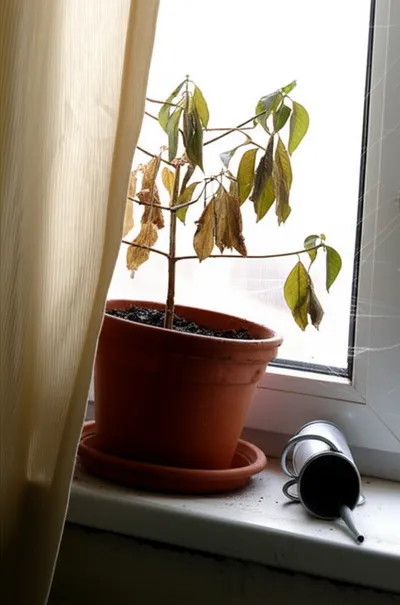
adjective🔗Share유기된, 버려진, 태만한Lost; adrift; hence, wanting; careless; neglectful; unfaithful."The derelict garden shed stood in disrepair, a testament to the family's neglect. "유기된 정원 창고는 가족의 태만을 증명하듯 낡은 채로 서 있었다.attitudemoralcharacternegativeconditionChat with AIVocabulary GamePractice Reading