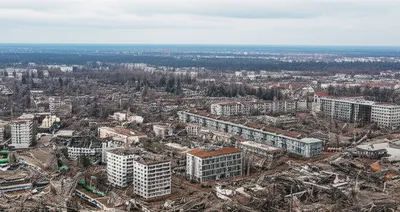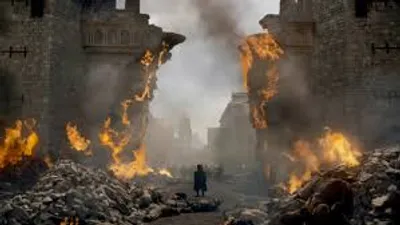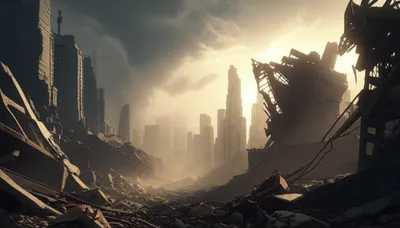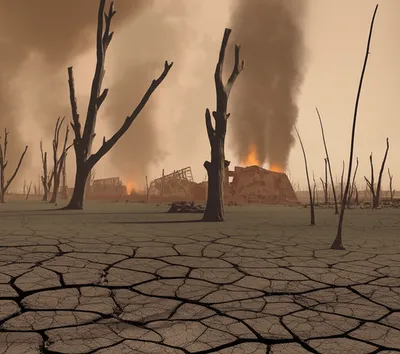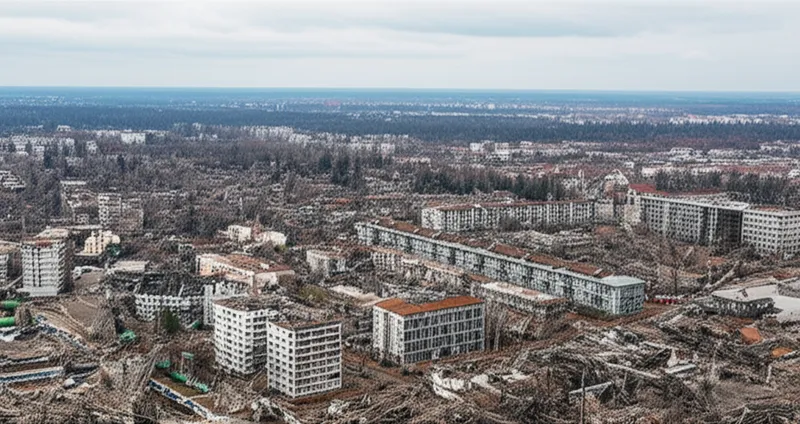

verb🔗Share파괴하다, 초토화하다To ruin many or all things over a large area, such as most or all buildings of a city, or cities of a region, or trees of a forest."The storm devastated the entire city, leaving most buildings in ruins. "폭풍은 도시 전체를 초토화시켜 대부분의 건물을 폐허로 만들었다.disasterenvironmentbuildingwarChat with AIVocabulary GamePractice Reading
verb🔗Share파괴하다, 붕괴시키다To destroy a whole collection of related ideas, beliefs, and strongly held opinions."The new research report devastated many people's long-held beliefs about the effectiveness of that particular teaching method. "새로운 연구 보고서는 그 특정 교수법의 효과에 대한 많은 사람들의 오랜 신념을 파괴했다.disasteroutcomeactionsituationChat with AIVocabulary GamePractice Reading
verb🔗Share파괴하다, 망치다To break beyond recovery or repair so that the only options are abandonment or the clearing away of useless remains (if any) and starting over."The fire devastated the old farmhouse, leaving nothing but rubble; the family had to abandon the property and start rebuilding. "화재는 낡은 농가를 파괴하여 잔해만 남겼고, 가족은 그 재산을 포기하고 재건을 시작해야 했다.disasteroutcomeconditionnegativeeventsufferingChat with AIVocabulary GamePractice Reading
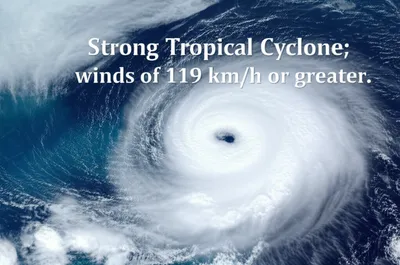
adjective🔗Share파괴적인, 엄청난Causing devastation"The hurricane's winds caused devastating damage to the coastal town. "허리케인의 바람은 해안 도시에 엄청난 피해를 입혔다.disasterenvironmentoutcomeChat with AIVocabulary GamePractice Reading