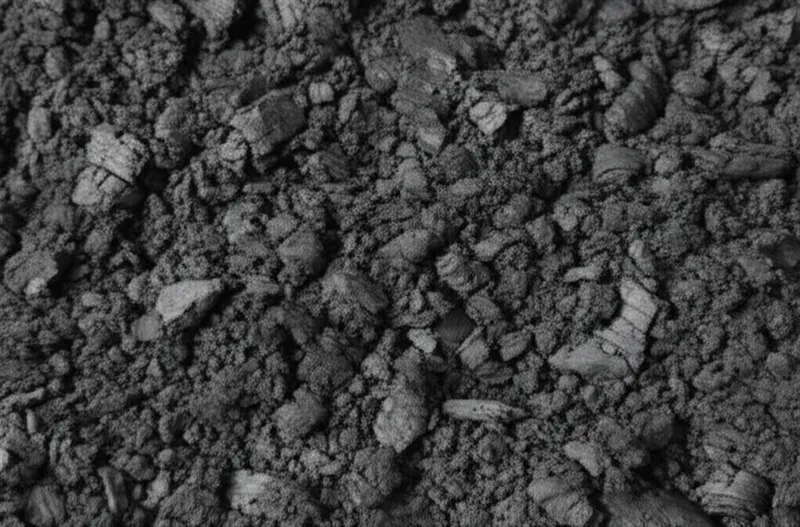

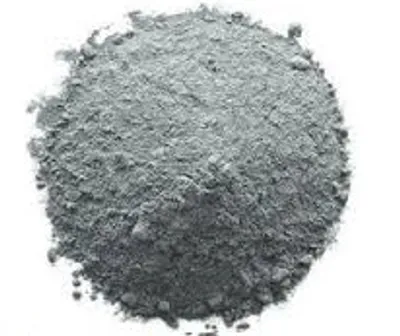
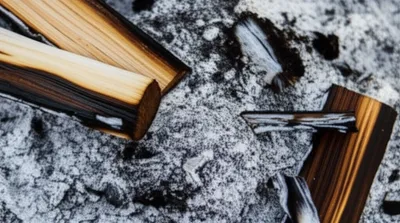
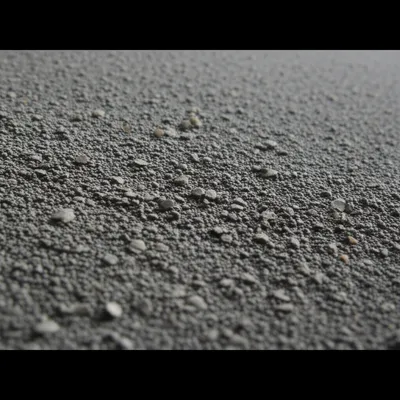

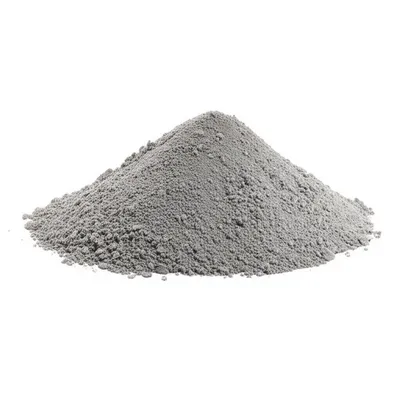

noun🔗Share재The solid remains of a fire."After the campfire, the children carefully avoided stepping on the hot ash. "캠프파이어 후, 아이들은 뜨거운 재를 밟는 것을 조심스럽게 피했다.materialsubstanceenvironmentdisasterChat with AIVocabulary GamePractice Reading
noun🔗Share재The nonaqueous remains of a material subjected to any complete oxidation process."After the campfire, the only ash remained, a grey residue of the wood. "캠프파이어 후에는 나무의 회색 잔재인 재만 남았다.materialsubstancechemistryenvironmentChat with AIVocabulary GamePractice Reading
noun🔗Share화산재Fine particles from a volcano, volcanic ash."The volcano's eruption sent ash falling all over the town. "화산 폭발로 화산재가 마을 전체에 쏟아졌다.geologymaterialsubstanceenvironmentdisasternatureChat with AIVocabulary GamePractice Reading
noun🔗Share유골, 재(in the plural) Human (or animal) remains after cremation."The urn containing his ashes was eventually removed to a closet."그의 유골이 담긴 항아리는 결국 벽장으로 옮겨졌다.bodyritualreligionhumanChat with AIVocabulary GamePractice Reading
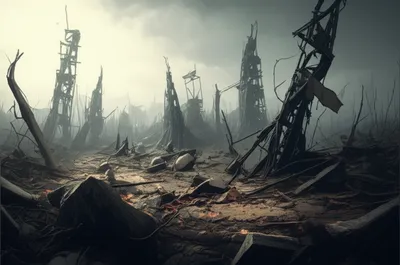
noun🔗Share재, 잿더미What remains after a catastrophe."After the fire, only ash remained in the backyard. "화재 후 뒷마당에는 재만 남았다.disasteroutcomesubstancematerialChat with AIVocabulary GamePractice Reading
noun🔗Share재색A gray colour, like that of ash."The old, faded armchair was painted a dusty ash color. "오래되고 바랜 안락의자는 먼지 낀 재색으로 칠해져 있었다.colorappearanceChat with AIVocabulary GamePractice Reading
verb🔗Share재로 만들다To reduce to a residue of ash. See ashing."The oven's high temperature will ash the leftover food scraps. "오븐의 고온은 남은 음식 찌꺼기를 재로 만들 것이다.materialprocesschemistryenvironmentChat with AIVocabulary GamePractice Reading
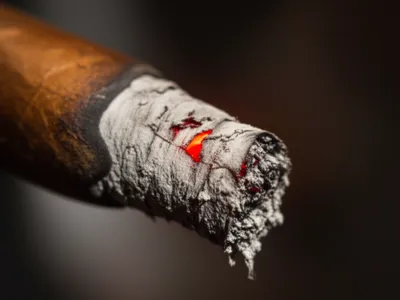
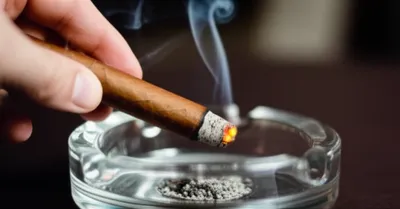
verb🔗Share타는 시가나 담배의 재를 털다To hit the end off of a burning cigar or cigarette."Before going to bed, I ashed my cigarette outside. "잠자리에 들기 전에 밖에서 담배 재를 털었다.actionChat with AIVocabulary GamePractice Reading
verb🔗Share재를 털다To hit the end off (a burning cigar or cigarette)."He ashed his cigarette before entering the library. "그는 도서관에 들어가기 전에 담배 재를 털었다.actionChat with AIVocabulary GamePractice Reading
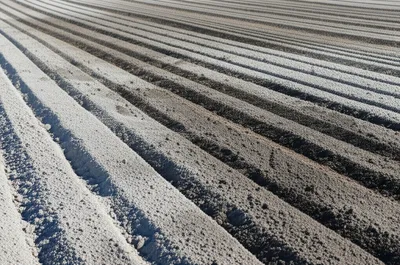
verb🔗Share재로 덮다(mostly used in the passive) To cover newly-sown fields of crops with ashes."The farmer ashed the newly plowed field to improve the soil before planting the seeds. "농부는 씨앗을 심기 전에 토양을 개선하기 위해 새로 쟁기질한 밭에 재를 덮었다.agricultureenvironmentChat with AIVocabulary GamePractice Reading
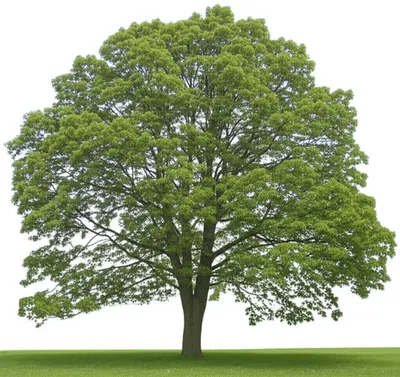
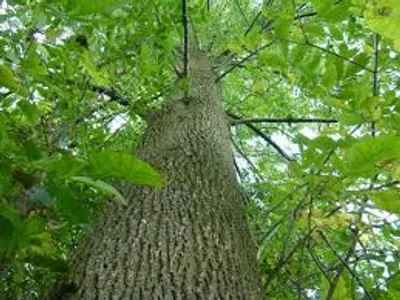
noun🔗Share물푸레나무A shade tree of the genus Fraxinus."The ash trees are dying off due to emerald ash borer."물푸레나무는 에메랄드 재나무좀 때문에 죽어가고 있다.plantnatureChat with AIVocabulary GamePractice Reading
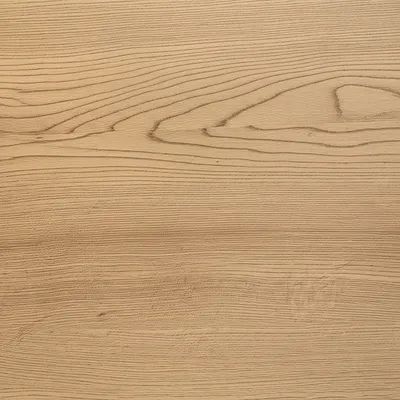
noun🔗Share물푸레나무The wood of this tree."The carpenter used the sturdy ash wood for the new table legs. "목수는 새 테이블 다리에 튼튼한 물푸레나무를 사용했다.materialplantChat with AIVocabulary GamePractice Reading
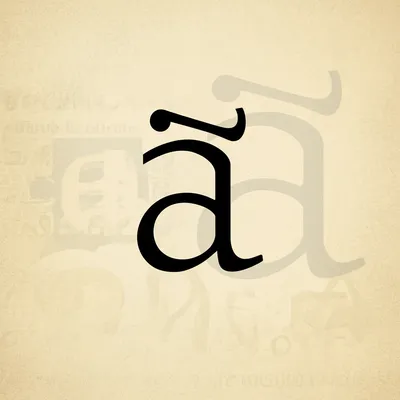
noun🔗Share애(æ) 결합자The traditional name for the ae ligature (æ), as used in Old English."The Old English manuscript used the ash to represent the "æ" sound in the word "day". "고대 영어 필사본은 "day"라는 단어에서 "æ" 소리를 나타내기 위해 애(æ) 결합자를 사용했다.languagelinguisticsphoneticswritingwordChat with AIVocabulary GamePractice Reading