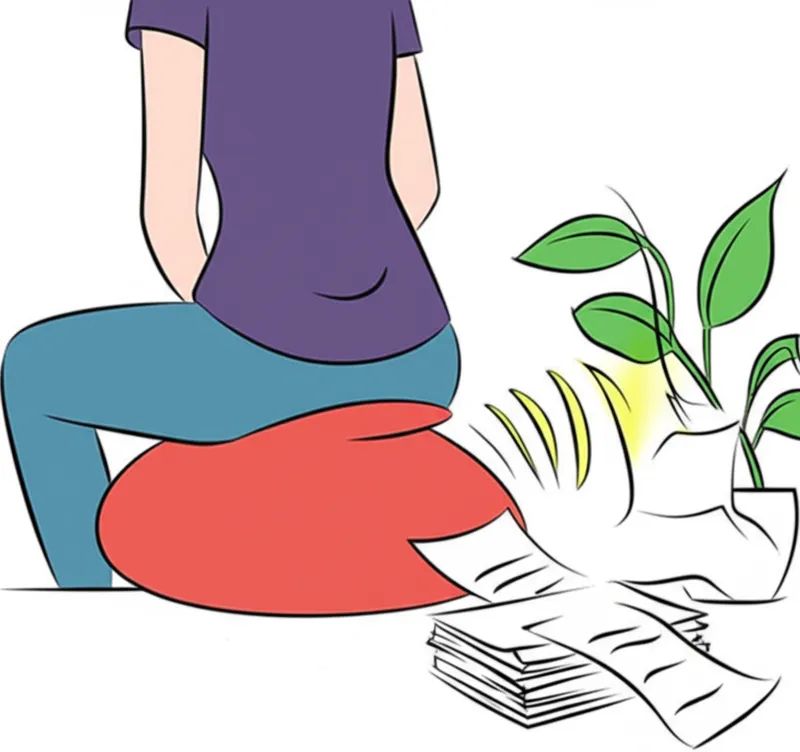




noun🔗Share방귀An emission of digestive gases from the anus; a flatus."My brother let out a loud fart during dinner. "내 동생은 저녁 식사 중에 큰 방귀를 뀌었다.bodyphysiologyanatomyChat with AIVocabulary GamePractice Reading
noun🔗Share짜증나는 사람, 바보(impolite) An irritating person; a fool."That new student in math class is a real fart; he keeps asking stupid questions. "수학 시간에 그 새로운 학생은 정말 짜증나는 사람이야; 그는 계속 바보 같은 질문을 해.personcharacterattitudeChat with AIVocabulary GamePractice Reading
noun🔗Share늙은이, 노인(impolite, potentially offensive) (usually as "old fart") An elderly person; especially one perceived to hold old-fashioned views."My grandpa can be a bit of an old fart sometimes, complaining about kids these days and their phones. "우리 할아버지는 가끔 늙은이가 되어 요즘 아이들과 그들의 휴대폰에 대해 불평할 수 있습니다.agepersonattitudeChat with AIVocabulary GamePractice Reading
verb🔗Share방귀를 뀌다(impolite) To emit digestive gases from the anus; to flatulate."My brother farted loudly during dinner, making everyone laugh. "내 동생은 저녁 식사 중에 큰 방귀를 뀌어서 모두를 웃게 만들었다.bodyphysiologyChat with AIVocabulary GamePractice Reading
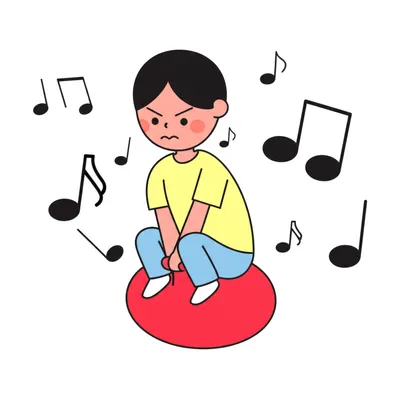
verb🔗Share빈둥거리다, 게으름을 피우다(usually as "fart around") To waste time with idle and inconsequential tasks; to go about one's activities in a lackadaisical manner; to be lazy or over-relaxed in one's manner or bearing."Instead of studying for the test, he was farting around, playing video games. "시험 공부를 하는 대신, 그는 빈둥거리며 비디오 게임을 했다.actionattitudehumanChat with AIVocabulary GamePractice Reading
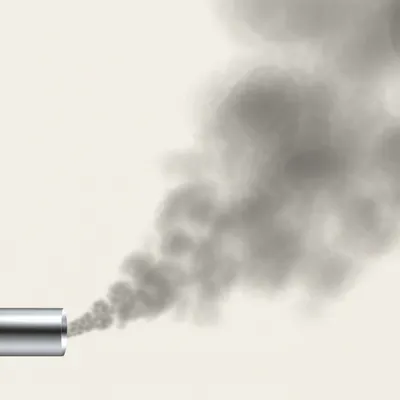
verb🔗Share방귀를 뀌다To emit (fumes, gases, etc.)."The old car farted out a puff of black smoke. "낡은 차에서 검은 연기가 뿜어져 나왔다.bodyphysiologyChat with AIVocabulary GamePractice Reading