noun 다운로드 🔗공유 운송료, 화물 운임 Payment for transportation. Examples : "The freight was more expensive for cars than for coal." 화물 운임은 석탄보다 자동차에 더 비쌌다. business commerce economy AI와 채팅어휘 게임독해 연습
noun 다운로드 🔗공유 화물, 수송품 Goods or items in transport. Examples : "The freight shifted and the trailer turned over on the highway." 화물이 쏠리면서 고속도로에서 트레일러가 뒤집혔다. commerce industry business economy AI와 채팅어휘 게임독해 연습
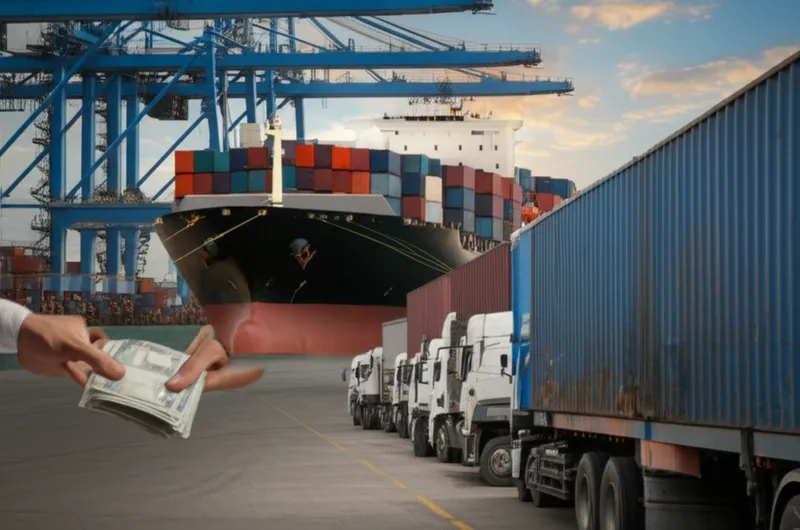
noun 다운로드 🔗공유 화물 운송, 운송 Transport of goods. Examples : "They shipped it ordinary freight to spare the expense." 그들은 비용을 절약하기 위해 일반 화물로 그것을 배송했다. business commerce industry AI와 채팅어휘 게임독해 연습
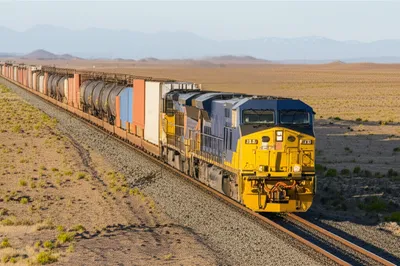
noun 다운로드 🔗공유 화물 열차 A freight train. Examples : "The small town was often woken up by the loud rumble of freights passing through on the nearby railway line. " 작은 마을은 인근 철도 노선을 지나는 화물 열차의 시끄러운 굉음에 종종 깨어났다. vehicle industry AI와 채팅어휘 게임독해 연습
noun 다운로드 🔗공유 문화적 또는 감정적 연상 Cultural or emotional associations. Examples : "The old family photo album is more than just pictures; it carries the freights of laughter, tears, and shared memories. " 오래된 가족 사진 앨범은 단순한 사진 이상입니다. 그것은 웃음, 눈물, 그리고 공유된 기억의 문화적 또는 감정적 연상을 담고 있습니다. culture emotion AI와 채팅어휘 게임독해 연습
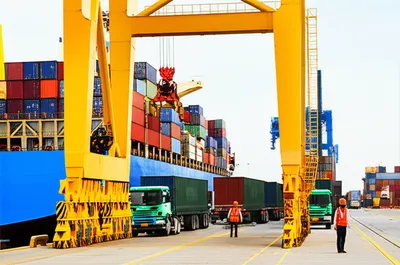
verb 다운로드 🔗공유 화물을 운송하다, 수송하다 To transport (goods). Examples : "The trucking company freights produce from farms to grocery stores. " 트럭 회사는 농장에서 식료품점으로 농산물을 수송합니다. business industry vehicle commerce AI와 채팅어휘 게임독해 연습
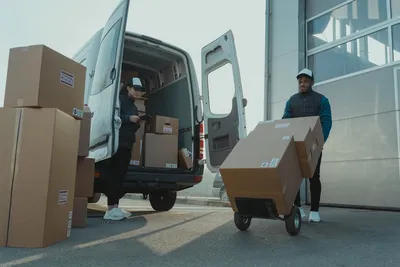
verb 다운로드 🔗공유 화물을 싣다, 짐을 싣다 To load with freight. Also figurative. Examples : "The workers freights the truck with boxes before the delivery. " 작업자들은 배달 전에 트럭에 상자를 싣습니다. business nautical commerce AI와 채팅어휘 게임독해 연습