noun 다운로드 🔗공유 운송료, 화물 운송료 Payment for transportation. Examples : "The freight was more expensive for cars than for coal." 자동차의 운송료는 석탄보다 더 비쌌다. economy business commerce AI와 채팅어휘 게임독해 연습
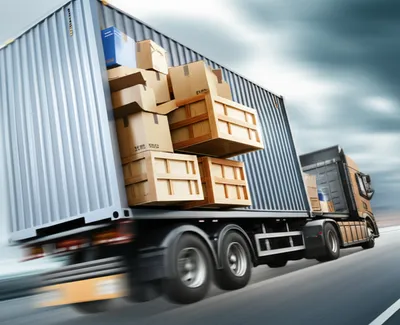
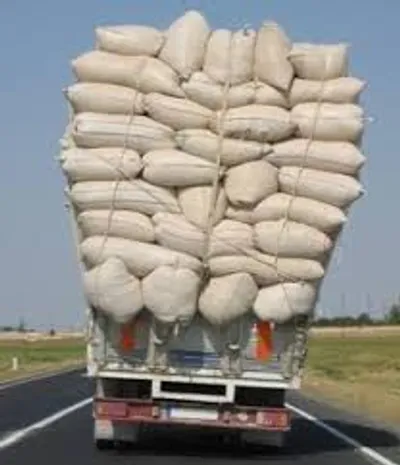
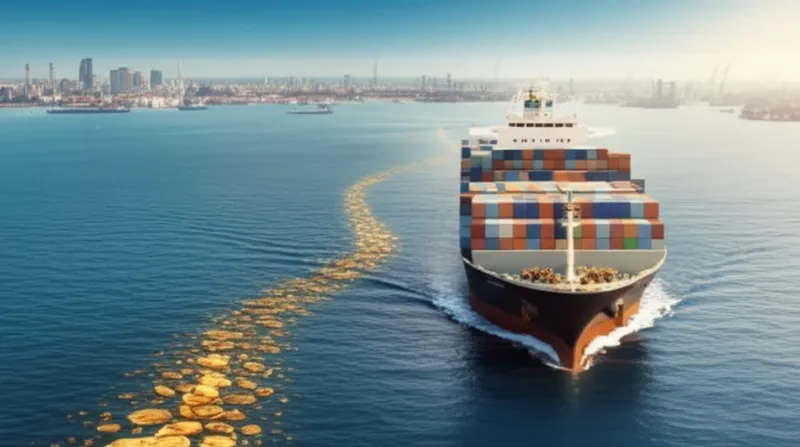
noun 다운로드 🔗공유 화물, 수송품 Goods or items in transport. Examples : "The freight shifted and the trailer turned over on the highway." 화물이 움직여 고속도로에서 트레일러가 뒤집혔다. item business commerce industry AI와 채팅어휘 게임독해 연습
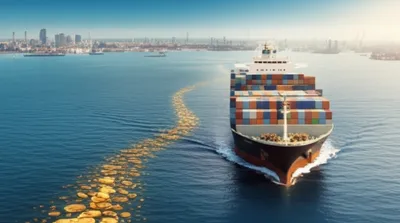
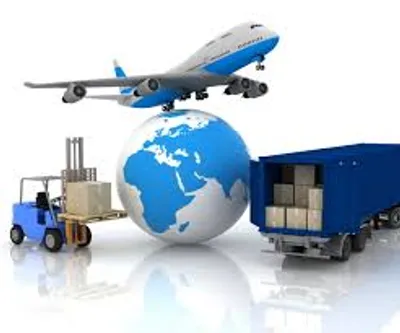
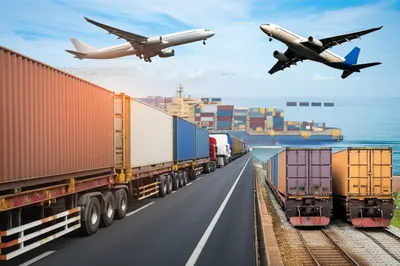
noun 다운로드 🔗공유 화물 운송, 운송 Transport of goods. Examples : "They shipped it ordinary freight to spare the expense." 그들은 비용을 절약하기 위해 일반 화물로 그것을 발송했다. commerce industry business vehicle economy AI와 채팅어휘 게임독해 연습
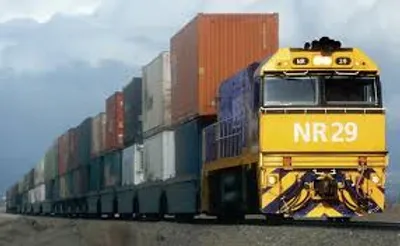
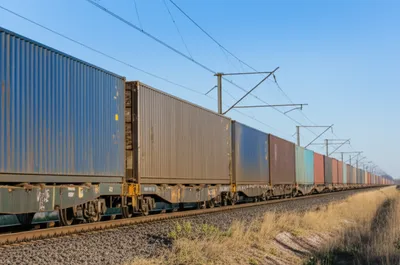
noun 다운로드 🔗공유 화물 열차 A freight train. Examples : "The freight train rumbled past the school, carrying boxes of supplies. " 화물 열차가 학교를 지나가며 물품 상자를 실어 날랐다. vehicle industry AI와 채팅어휘 게임독해 연습
noun 다운로드 🔗공유 화물, 운송 Cultural or emotional associations. Examples : "The heavy freight of unspoken anxieties about the upcoming exams weighed on the student's shoulders. " 다가오는 시험에 대한 말하지 않은 불안의 무거운 화물이 학생의 어깨를 짓눌렀다. culture emotion AI와 채팅어휘 게임독해 연습
verb 다운로드 🔗공유 운송하다, 수송하다 To transport (goods). Examples : "The company freights important documents to their office in another city. " 그 회사는 중요한 서류를 다른 도시에 있는 사무실로 운송합니다. business commerce industry vehicle AI와 채팅어휘 게임독해 연습
verb 다운로드 🔗공유 화물을 싣다, 짐을 싣다 To load with freight. Also figurative. Examples : "The delivery truck was freight with boxes of books for the new school library. " 배달 트럭은 새 학교 도서관을 위해 책 상자로 화물을 실었다. nautical business commerce vehicle AI와 채팅어휘 게임독해 연습