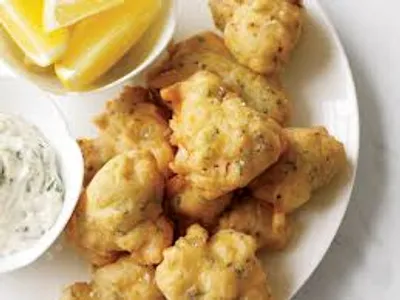
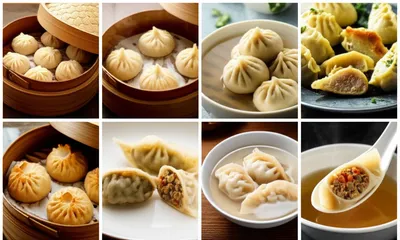
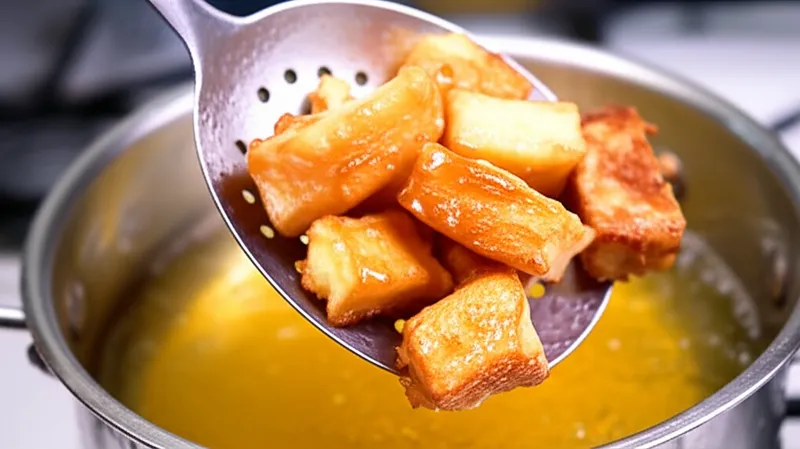
noun 다운로드 🔗공유 튀김 A dish made by deep-frying food coated in batter. Examples : "Grandma made a delicious fritter for breakfast, a small, crispy deep-fried dumpling. " 할머니는 아침 식사로 작고 바삭한 튀김 만두인 맛있는 튀김을 만드셨습니다. food AI와 채팅어휘 게임독해 연습
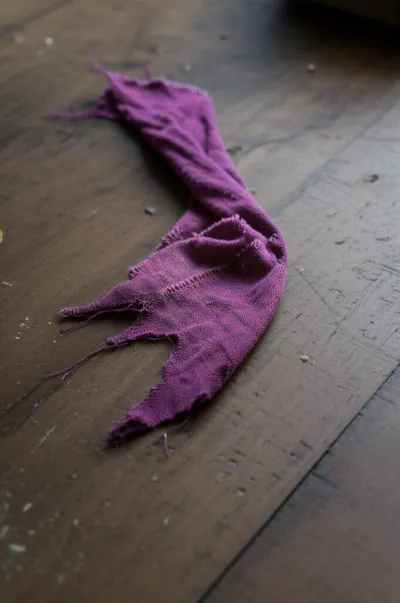
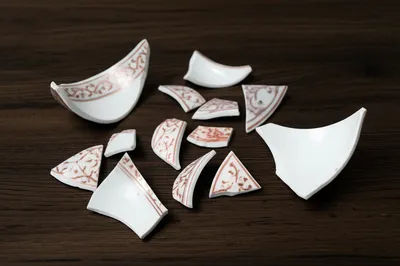
noun 다운로드 🔗공유 조각, 파편 A fragment; a shred; a small piece. Examples : "The child's drawing was full of tiny fritters of color. " 아이의 그림은 작은 색 조각들로 가득했다. part thing AI와 채팅어휘 게임독해 연습
verb 다운로드 🔗공유 낭비하다, 헛되이 쓰다, 시간을 보내다 (often with about, around, or away) To squander or waste time, money, or other resources; e.g. occupy oneself idly or without clear purpose, to tinker with an unimportant part of a project, to dally, sometimes as a form of procrastination. Examples : "He can’t figure out how to finish the paper he’s writing, so he’s resorted to frittering with the fonts." 그는 쓰고 있는 논문을 어떻게 끝내야 할지 몰라서 글꼴을 가지고 시간을 낭비하고 있다. time action business economy work attitude tendency AI와 채팅어휘 게임독해 연습
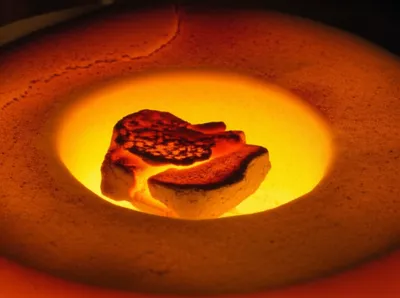
verb 다운로드 🔗공유 소결하다 To sinter. Examples : "The pottery shards were frittered in the kiln, creating a smooth, glazed surface. " 도자기 조각은 가마에서 소결되어 매끄럽고 유약을 바른 표면을 만들었습니다. material process technical science AI와 채팅어휘 게임독해 연습
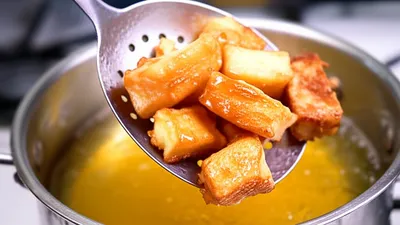
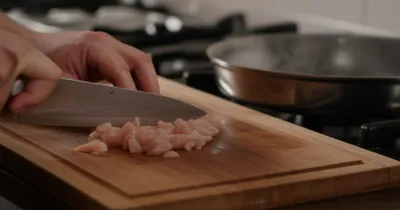
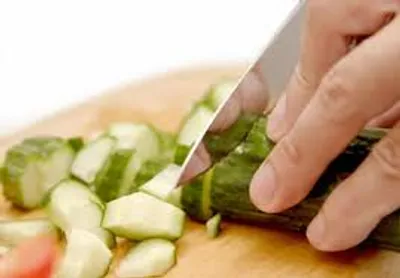
verb 다운로드 🔗공유 튀김용으로 잘게 썰다 To cut (meat etc.) into small pieces for frying. Examples : "My grandmother used to fritter the chicken before frying it, making it extra crispy. " 할머니는 닭고기를 튀기기 전에 잘게 썰어 더욱 바삭하게 만드셨다. food utensil action AI와 채팅어휘 게임독해 연습
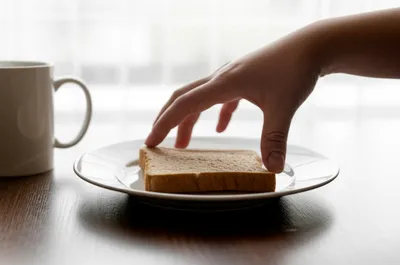
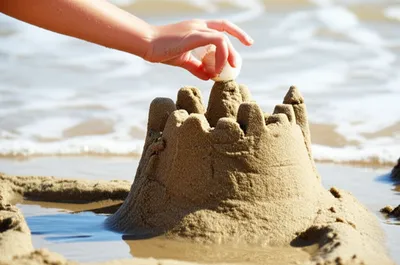
verb 다운로드 🔗공유 잘게 부수다, 조각내다 To break into small pieces or fragments. Examples : "The child frittered the bread into tiny crumbs while trying to make a sandcastle. " 아이는 모래성을 만들려고 빵을 잘게 부수어 작은 부스러기로 만들었다. action process AI와 채팅어휘 게임독해 연습