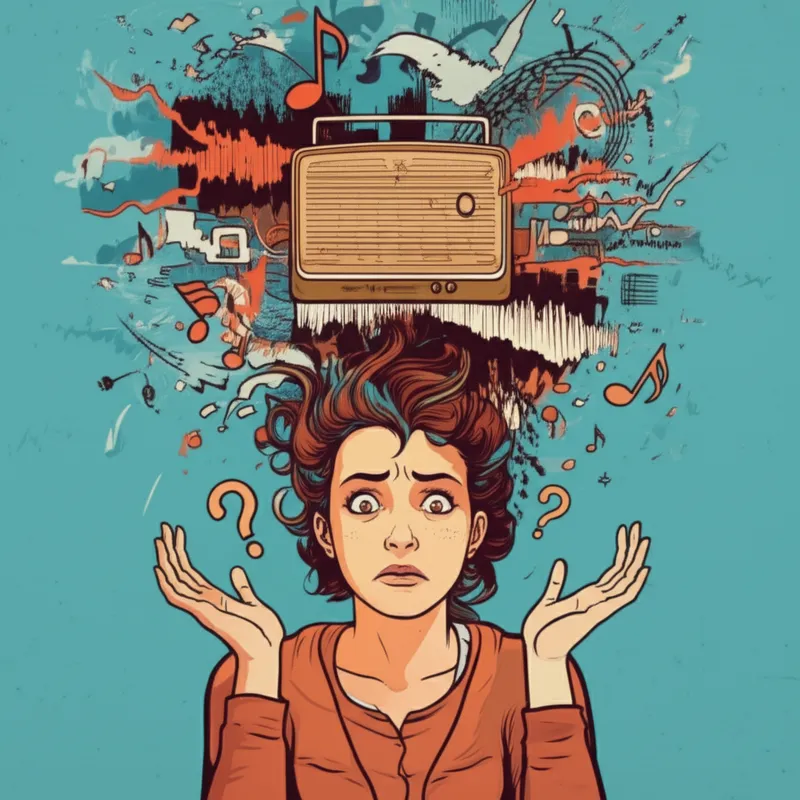


noun🔗Share혼란스러운 말, 횡설수설Confused or unintelligible speech."The radio broadcast was mostly garble due to the storm, so we couldn't understand the news. "폭풍 때문에 라디오 방송은 대부분 횡설수설이어서 우리는 뉴스를 이해할 수 없었다.soundlanguagecommunicationChat with AIVocabulary GamePractice Reading
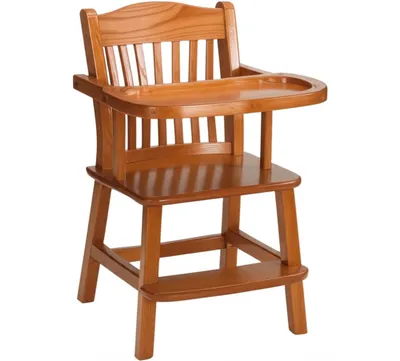
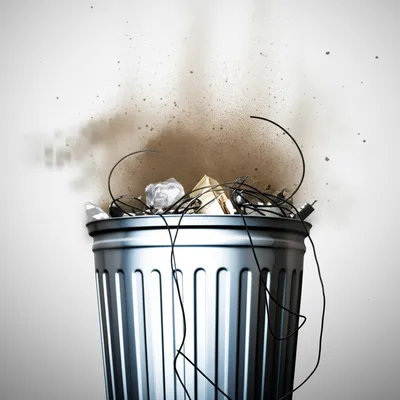
noun🔗Share쓰레기, 폐물Refuse; rubbish."The spilled cereal and squashed banana under the highchair were just garble that the dog happily cleaned up. "유아용 의자 아래 엎질러진 시리얼과 으깬 바나나는 개가 신나게 치운 쓰레기였다.nothingitemChat with AIVocabulary GamePractice Reading
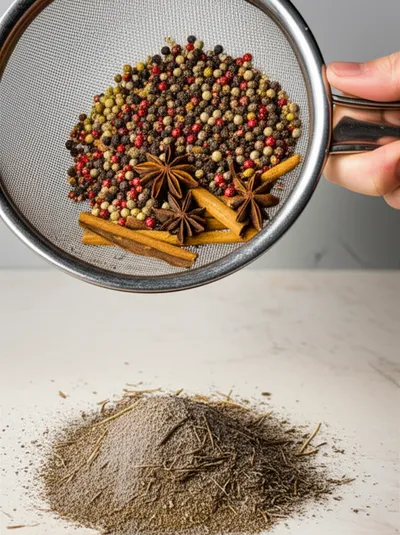
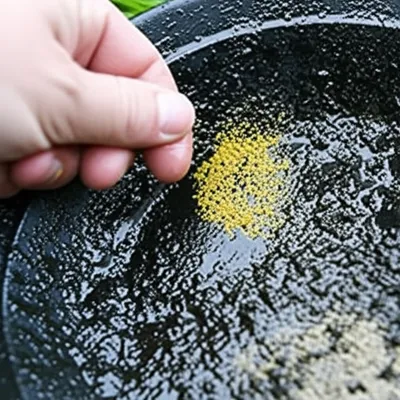
noun🔗Share찌꺼기, 불순물Impurities separated from spices, drugs, etc.; garblings."After processing the dried herbs, the farmer swept up the garble – the stems and other unwanted plant matter – from the sorting table. "말린 허브를 처리한 후, 농부는 분류 테이블에서 줄기와 기타 원치 않는 식물 물질인 찌꺼기를 쓸어냈다.medicinesubstancematerialChat with AIVocabulary GamePractice Reading
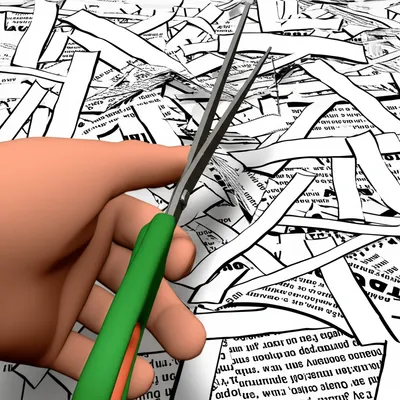
verb🔗Share왜곡하다, 훼손하다To pick out such parts (of a text) as may serve a purpose; to mutilate; to pervert"to garble a quotation"인용문을 왜곡하다.languagecommunicationmediawritingChat with AIVocabulary GamePractice Reading
verb🔗Share왜곡하다, 섞어 놓다To make false by mutilation or addition"The editor garbled the story."편집자가 이야기를 왜곡했다.communicationlanguagemediasoundChat with AIVocabulary GamePractice Reading
verb🔗Share왜곡하다, 혼동하다To sift or bolt, to separate the fine or valuable parts of from the coarse and useless parts, or from dross or dirt"to garble spices"향신료를 왜곡하다.processcommunicationlanguageChat with AIVocabulary GamePractice Reading