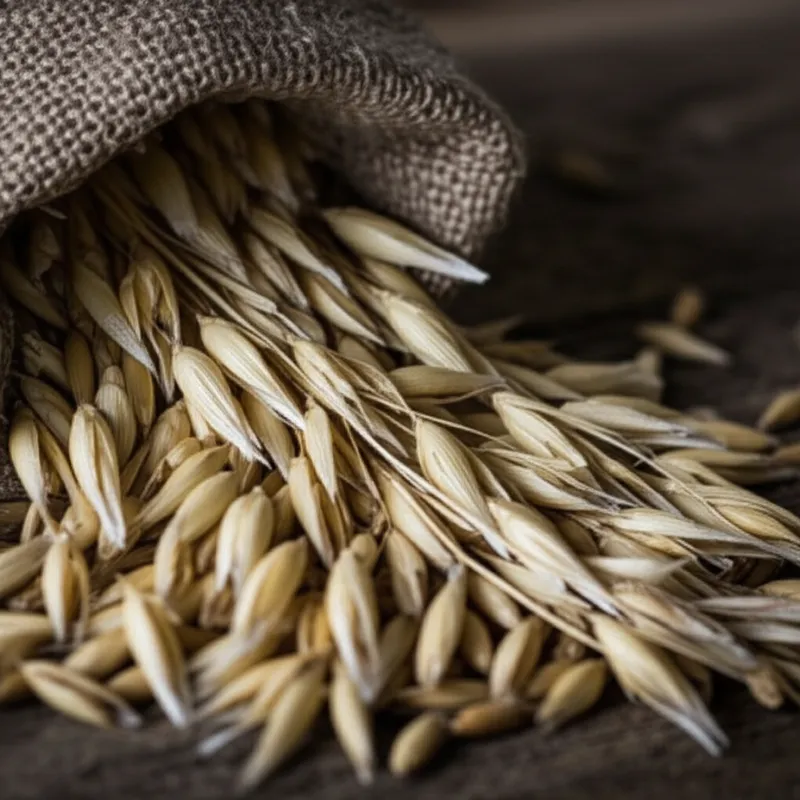




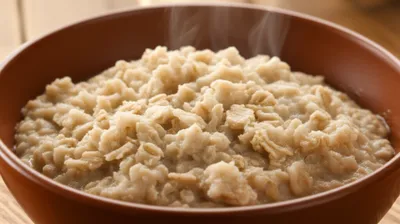
noun🔗Share귀리(usually in the plural) Husked but unground oats."My grandmother makes delicious grits for breakfast every Saturday. "할머니는 매주 토요일 아침 식사로 맛있는 귀리를 만드십니다.foodagricultureChat with AIVocabulary GamePractice Reading
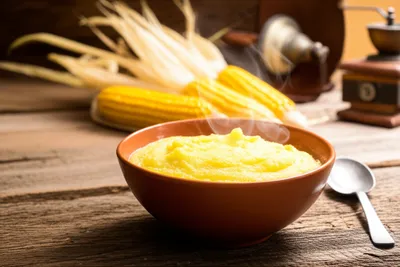
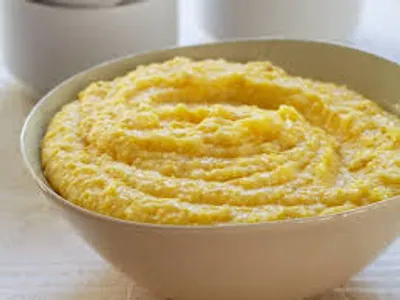
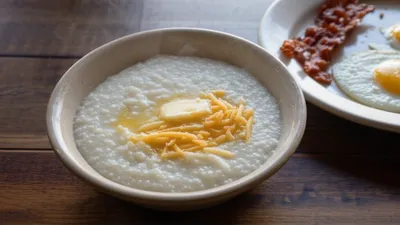
noun🔗Share옥수수 죽(usually in the plural) Coarsely ground corn or hominy used as porridge.""For breakfast this morning, I had eggs, bacon, and grits." "오늘 아침 식사로 계란, 베이컨, 그리고 옥수수 죽을 먹었습니다.foodagricultureChat with AIVocabulary GamePractice Reading
verb🔗Share이를 악물다Apparently only in grit one's teeth: to clench, particularly in reaction to pain or anger."He has a sleeping disorder and grits his teeth."그는 수면 장애가 있어서 이를 악물어요.bodymindactionsensationattitudeChat with AIVocabulary GamePractice Reading
verb🔗Share모래로 덮다To cover with grit."The construction workers gritted the newly poured concrete floor to improve its texture. "건설 노동자들은 질감을 개선하기 위해 새로 부어진 콘크리트 바닥에 모래를 뿌렸다.materialsubstanceenvironmentChat with AIVocabulary GamePractice Reading
verb🔗Share갈다, 삐걱거리다To give forth a grating sound, like sand under the feet; to grate; to grind."The gears in the old bicycle grits whenever I try to pedal uphill. "오래된 자전거의 기어는 내가 언덕을 페달을 밟으려고 할 때마다 삐걱거린다.soundactionChat with AIVocabulary GamePractice Reading
🔗Share귀리(usually in the plural) Husked but unground oats."My grandma always makes grits for breakfast when we visit her in South Carolina. "할머니는 우리가 사우스캐롤라이나에 방문할 때마다 아침 식사로 귀리를 만드십니다.foodplantvegetableagricultureChat with AIVocabulary GamePractice Reading
🔗Share옥수수 죽(usually in the plural) Coarsely ground corn or hominy used as porridge."For breakfast, my grandpa usually eats grits. "할아버지는 아침 식사로 보통 옥수수 죽을 드십니다.foodagricultureChat with AIVocabulary GamePractice Reading