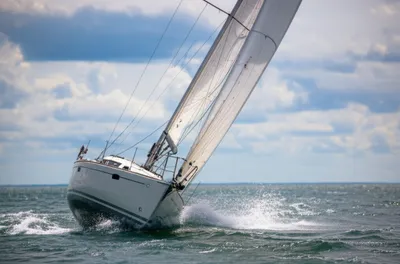
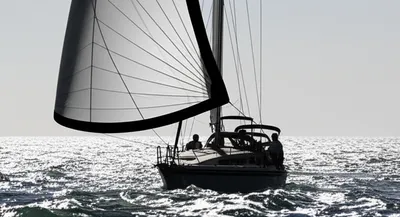
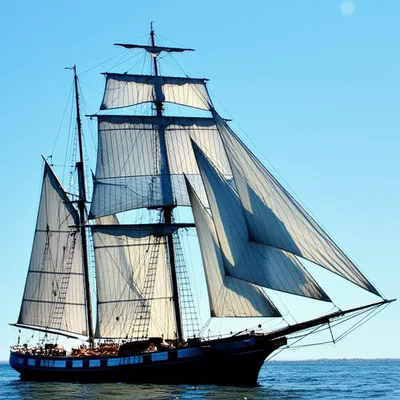
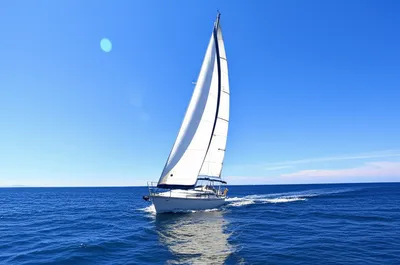
verb 다운로드 🔗공유 배를 돌리다 To shift a fore-and-aft sail from one side of a sailing vessel to the other, while sailing before the wind. Examples : "The sailboat crew gybed the mainsail to catch the stronger wind gust. " 요트 승무원은 더 강한 바람을 잡기 위해 메인 세일을 돌렸다. nautical sailing sport AI와 채팅어휘 게임독해 연습
verb 다운로드 🔗공유 배의 붐을 돌리다 Of a fore-and-aft sail or its boom: to shift, often forcefully and suddenly, from one side of a sailing vessel to the other. Examples : "The wind shifted suddenly, causing the boat's sail to start gybing violently from one side to the other. " 바람이 갑자기 바뀌면서 배의 돛이 한쪽에서 다른 쪽으로 격렬하게 붐을 돌리기 시작했다. nautical sailing sport action technical AI와 채팅어휘 게임독해 연습
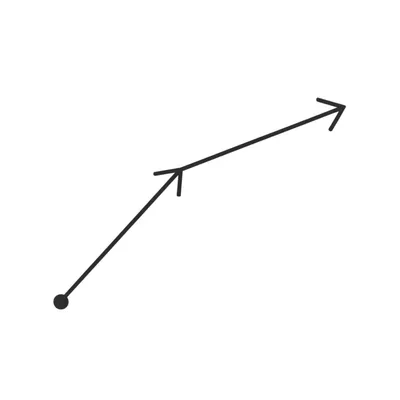
verb 다운로드 🔗공유 배의 방향을 바꾸다 Generally of a small sailing vessel: to change tack with the wind crossing behind the vessel. Examples : "The small sailboat gybed quickly, catching the wind from the other side. " 작은 요트가 빠르게 배의 방향을 바꾸며 반대편에서 바람을 잡았습니다. nautical sailing sport AI와 채팅어휘 게임독해 연습
verb 다운로드 🔗공유 망설이다 (by extension) Often as gybe at: to balk, hesitate, or vacillate when faced with a course of action, plan, or proposal. Examples : "After initially agreeing to lead the project, Sarah started gybing and suggesting other people might be better suited. " 처음 프로젝트를 이끌기로 동의한 후, 사라는 망설이기 시작했고 다른 사람들이 더 적합할 수 있다고 제안했습니다. action attitude mind character AI와 채팅어휘 게임독해 연습
verb 다운로드 🔗공유 자이빙 Alternative spelling of jibe Examples : "The small sailboat started gybing as the wind shifted suddenly. " 작은 요트가 바람이 갑자기 바뀌면서 자이빙을 시작했다. nautical sailing sport AI와 채팅어휘 게임독해 연습