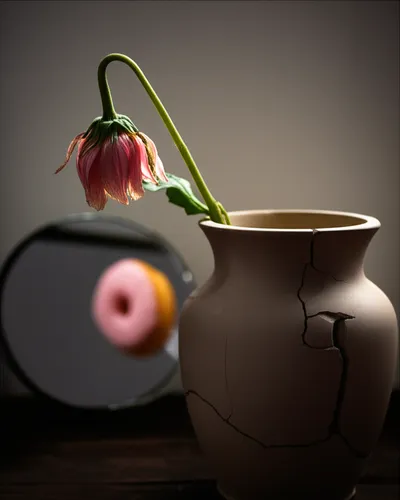
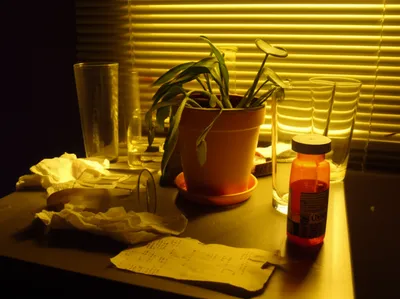
noun 다운로드 🔗공유 숙취, 술 마신 다음 날의 고통 Negative effects, such as headache or nausea, caused by previous drunkenness due to (excessive) consumption of alcohol. Examples : "I really enjoyed yesterday’s party, but now I have the biggest hangover – I’ll not be doing that again any time soon." 어제 파티는 정말 즐거웠지만, 지금은 숙취 때문에 너무 힘들어요. 당분간은 그러지 않을 거예요. medicine physiology condition body drink food sensation suffering AI와 채팅어휘 게임독해 연습
noun 다운로드 🔗공유 숙취, 후유증 Similar negative effects caused by previous excessive consumption of something else, such as a drug, coffee, sugar, etc. Examples : "After finishing the big project at work, I celebrated with tons of coffee, and now I have a caffeine hangover with a headache and the jitters. " 직장에서 큰 프로젝트를 끝낸 후, 나는 엄청난 양의 커피를 마시며 축하했고, 지금은 두통과 떨림과 함께 카페인 후유증을 겪고 있습니다. medicine body condition sensation suffering AI와 채팅어휘 게임독해 연습
noun 다운로드 🔗공유 후유증, 여파 An unpleasant relic left from prior events. Examples : "The overdue library book was a constant hangover from my forgetful weekend. " 연체된 도서관 책은 잊어버린 주말의 끊임없는 후유증이었다. medicine body condition sensation drink AI와 채팅어휘 게임독해 연습
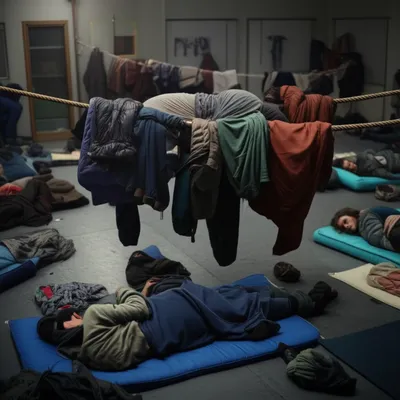
noun 다운로드 🔗공유 매달린 침대, 잠자리 A sleeping arrangement, usually in homeless shelters, over a rope. Examples : "The homeless shelter offered a simple hangout for the night, a hammock-like structure called a "hangover" made of rope. " 노숙자 쉼터는 밤을 위한 간단한 잠자리, 밧줄로 만든 해먹과 같은 구조를 제공했습니다. society condition human AI와 채팅어휘 게임독해 연습