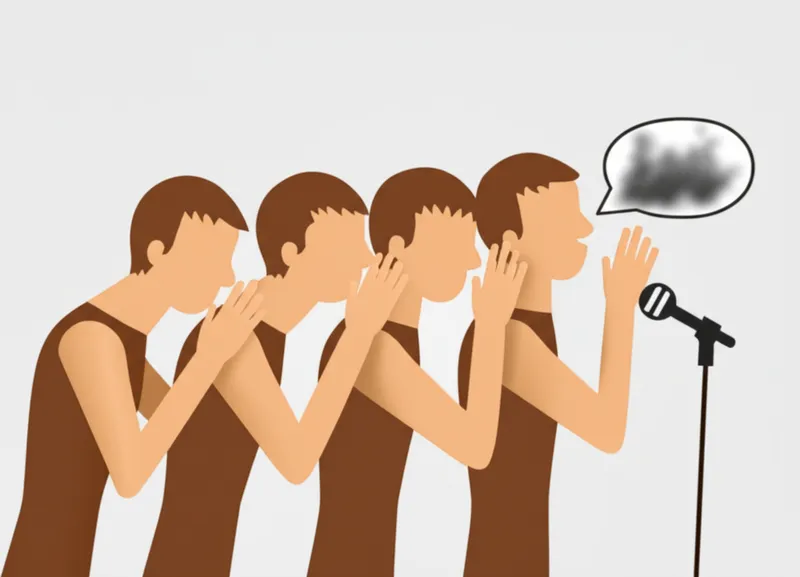
noun 다운로드 🔗공유 전해들은 말, 소문 Information that was heard by one person about another that cannot be adequately substantiated. Examples : "The teacher dismissed the story as mere hearsay because no one actually saw the student cheat; it was just something they heard from a friend of a friend. " 선생님은 아무도 학생이 부정행위를 하는 것을 실제로 보지 못했기 때문에 그 이야기를 단순한 소문으로 일축했습니다. 그것은 단지 그들이 친구의 친구에게서 들은 것이었습니다. communication law statement society AI와 채팅어휘 게임독해 연습
noun 다운로드 🔗공유 전언, 소문 Evidence based on the reports of others, which is normally inadmissible because it was not made under oath, rather than on personal knowledge. Examples : "The teacher's claim that Maria cheated on the test was dismissed as hearsay; no one saw her actually copying. " 마리아가 시험에서 부정행위를 했다는 선생님의 주장은 전언으로 기각되었다. 아무도 그녀가 실제로 컨닝하는 것을 보지 못했다. law communication statement AI와 채팅어휘 게임독해 연습
noun 다운로드 🔗공유 전언, 소문 An out-of-court statement offered in court for the truth of the matter asserted, which is normally inadmissible because it is not subject to cross-examination unless the hearsay statement falls under one of a number of exceptions. Examples : "The judge dismissed the testimony as hearsay because the witness was only repeating what someone else had told him about the car accident, not what he personally saw. " 판사는 증인이 자동차 사고에 대해 다른 사람이 말한 것을 반복했을 뿐, 자신이 직접 본 것이 아니었기 때문에 증언을 전언으로 기각했다. law statement AI와 채팅어휘 게임독해 연습