noun 다운로드 🔗공유 쉿 소리 A sibilant sound, such as that made by a snake or escaping steam; an unvoiced fricative. Examples : "The escaping steam from the kettle made a loud hiss. " 주전자에서 새어 나오는 증기가 큰 쉿 소리를 냈다. sound animal nature language AI와 채팅어휘 게임독해 연습
noun 다운로드 🔗공유 쉿 소리, 야유 An expression of disapproval made using such a sound. Examples : "The teacher's hiss was a clear sign of disapproval for the student's late arrival. " 선생님의 야유는 학생의 지각에 대한 불만을 분명히 나타내는 신호였다. sound communication attitude entertainment AI와 채팅어휘 게임독해 연습
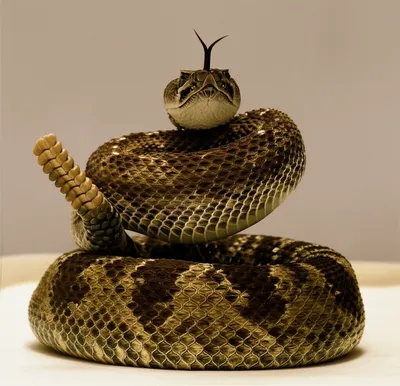
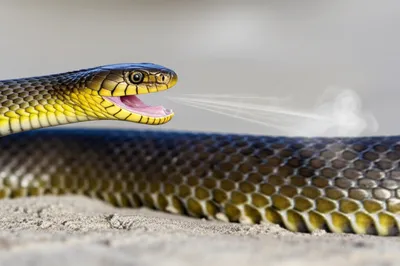
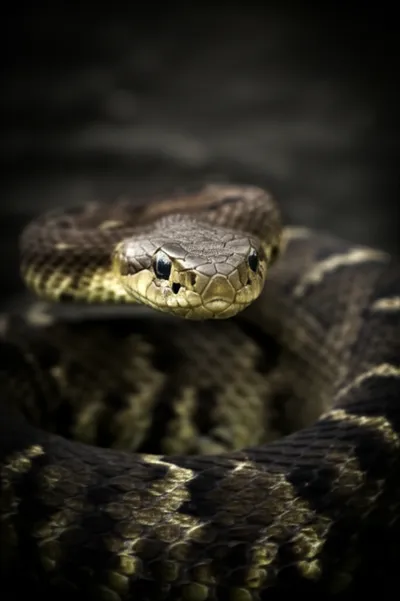
verb 다운로드 🔗공유 쉿 소리를 내다 To make a hissing sound. Examples : "As I started to poke it, the snake hissed at me." 내가 그것을 쿡 찌르기 시작하자 뱀이 나에게 쉿 소리를 냈다. sound animal nature action communication AI와 채팅어휘 게임독해 연습
verb 다운로드 🔗공유 쉿 소리를 내다, 야유하다 To condemn or express contempt (for someone or something) by hissing. Examples : "The crowd booed and hissed her off the stage." 관중들은 그녀에게 야유를 보내며 무대에서 쫓아냈다. communication sound language attitude society emotion action AI와 채팅어휘 게임독해 연습
verb 다운로드 🔗공유 쉿 소리를 내다 To utter (something) with a hissing sound. Examples : "The angry cat began to hiss at the dog. " 화가 난 고양이가 개에게 쉿 소리를 내기 시작했다. sound communication animal sensation language AI와 채팅어휘 게임독해 연습
verb 다운로드 🔗공유 쉿 소리를 내다 To move with a hissing sound. Examples : "The arrow hissed through the air." 화살은 공기를 가르며 쉿 소리를 냈다. sound nature AI와 채팅어휘 게임독해 연습
verb 다운로드 🔗공유 쉿 소리를 내다 To emit or eject (something) with a hissing sound. Examples : "The angry cat hissed a puff of air at the dog. " 화난 고양이가 개에게 공기를 쉿 소리 내며 내뿜었다. sound action AI와 채팅어휘 게임독해 연습
verb 다운로드 🔗공유 쉿 소리를 내다, 쉿거리다 To whisper, especially angrily or urgently. Examples : "The teacher hissed at the student who was talking loudly during class. " 선생님은 수업 중에 큰 소리로 말하는 학생에게 쉿 소리를 냈다. sound language communication action word AI와 채팅어휘 게임독해 연습