verb 다운로드 🔗공유 쫓아내다, 내쫓다 To compel (a person or persons) to leave. Examples : "Andrew was ejected from his apartment for not paying the rent." 앤드류는 집세를 내지 않아 아파트에서 쫓겨났다. action law police military AI와 채팅어휘 게임독해 연습
verb 다운로드 🔗공유 내쫓다, 배출하다 To throw out or remove forcefully. Examples : "In other news, a Montreal man was ejected from his car when he was involved in an accident." 다른 소식으로, 몬트리올 남성이 사고에 연루되었을 때 차에서 내쫓겼습니다. action technology machine AI와 채팅어휘 게임독해 연습
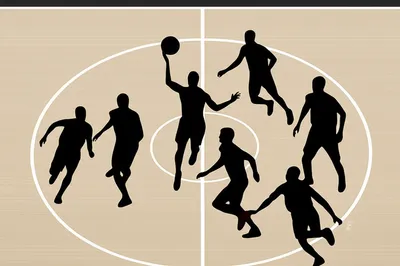
verb 다운로드 🔗공유 퇴장시키다 To compel (a sports player) to leave the field because of inappropriate behaviour. Examples : "The referee had to eject the basketball player after he argued with her and received two technical fouls. " 심판은 농구 선수가 그녀와 언쟁을 벌이고 두 개의 기술 파울을 받은 후 퇴장시켜야 했다. sport action AI와 채팅어휘 게임독해 연습
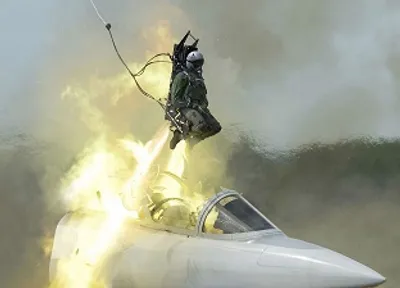
verb 다운로드 🔗공유 비행기에서 탈출하다 To project oneself from an aircraft. Examples : "The pilot lost control of the plane and had to eject." 조종사는 비행기 조종 능력을 잃고 탈출해야 했다. action military vehicle technology AI와 채팅어휘 게임독해 연습
verb 다운로드 🔗공유 배출하다, 내뿜다 To cause (something) to come out of a machine. Examples : "Press that button to eject the video tape." 비디오 테이프를 배출하려면 그 버튼을 누르세요. machine technology AI와 채팅어휘 게임독해 연습
verb 다운로드 🔗공유 배출하다, 나오다 To come out of a machine. Examples : "The printer ejected the finished report. " 프린터가 완성된 보고서를 배출했습니다. machine technology technical AI와 채팅어휘 게임독해 연습
noun 다운로드 🔗공유 다른 사람의 의식에서 추론된 대상 An inferred object of someone else's consciousness Examples : "The therapist explained that the child's imaginary friend was likely an eject, a projection of his own feelings of loneliness. " 치료사는 아이의 가상 친구가 외로움에 대한 자신의 감정을 투영한, 다른 사람의 의식에서 추론된 대상일 가능성이 높다고 설명했다. mind philosophy theory AI와 채팅어휘 게임독해 연습